





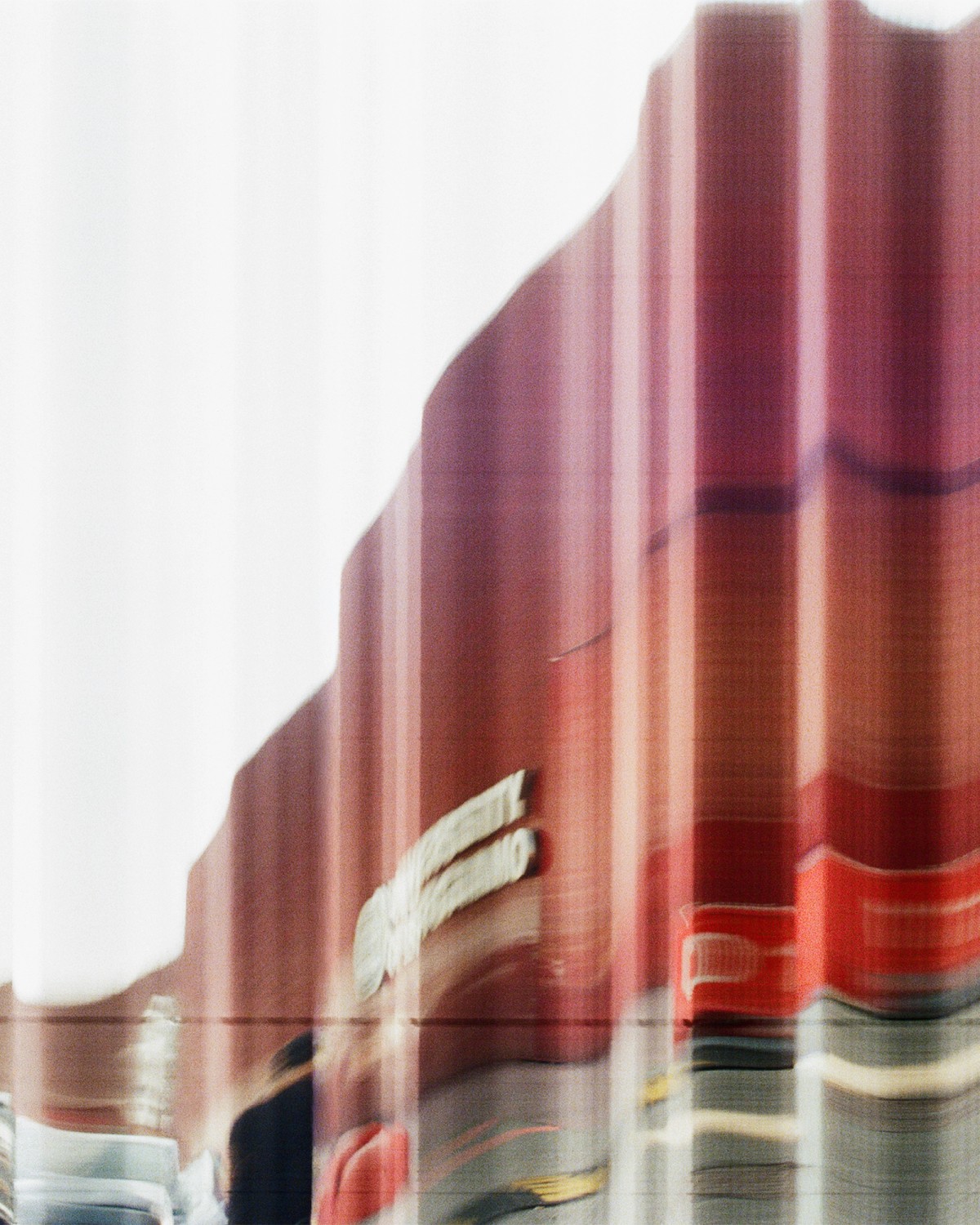
Ill. 1. Frontside Strip 1. Photo: Ann Sophia Kirchhofer and Florian Kilian Jaritz
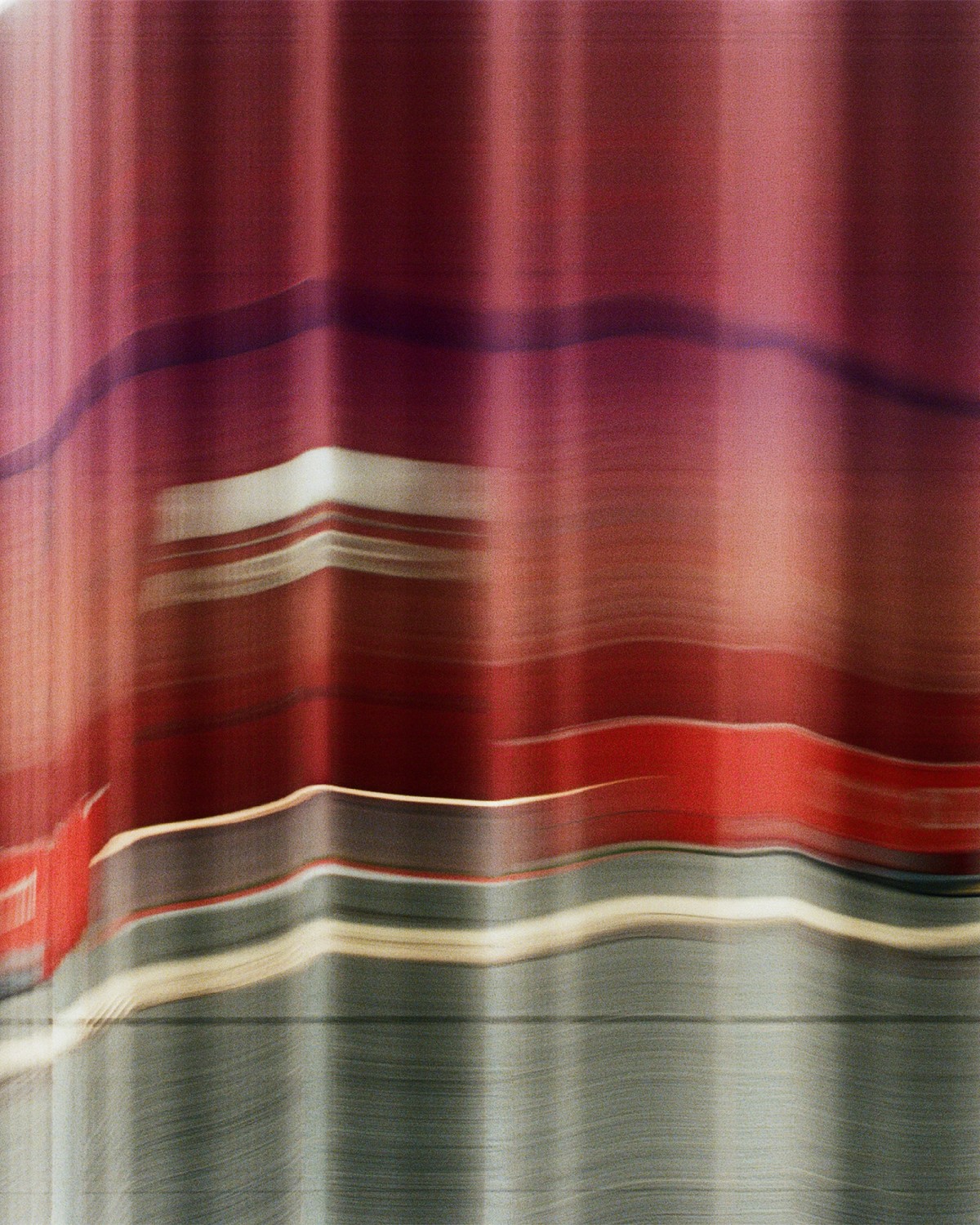
Ill. 2. Frontside Strip 2. Photo: Ann Sophia Kirchhofer and Florian Kilian Jaritz
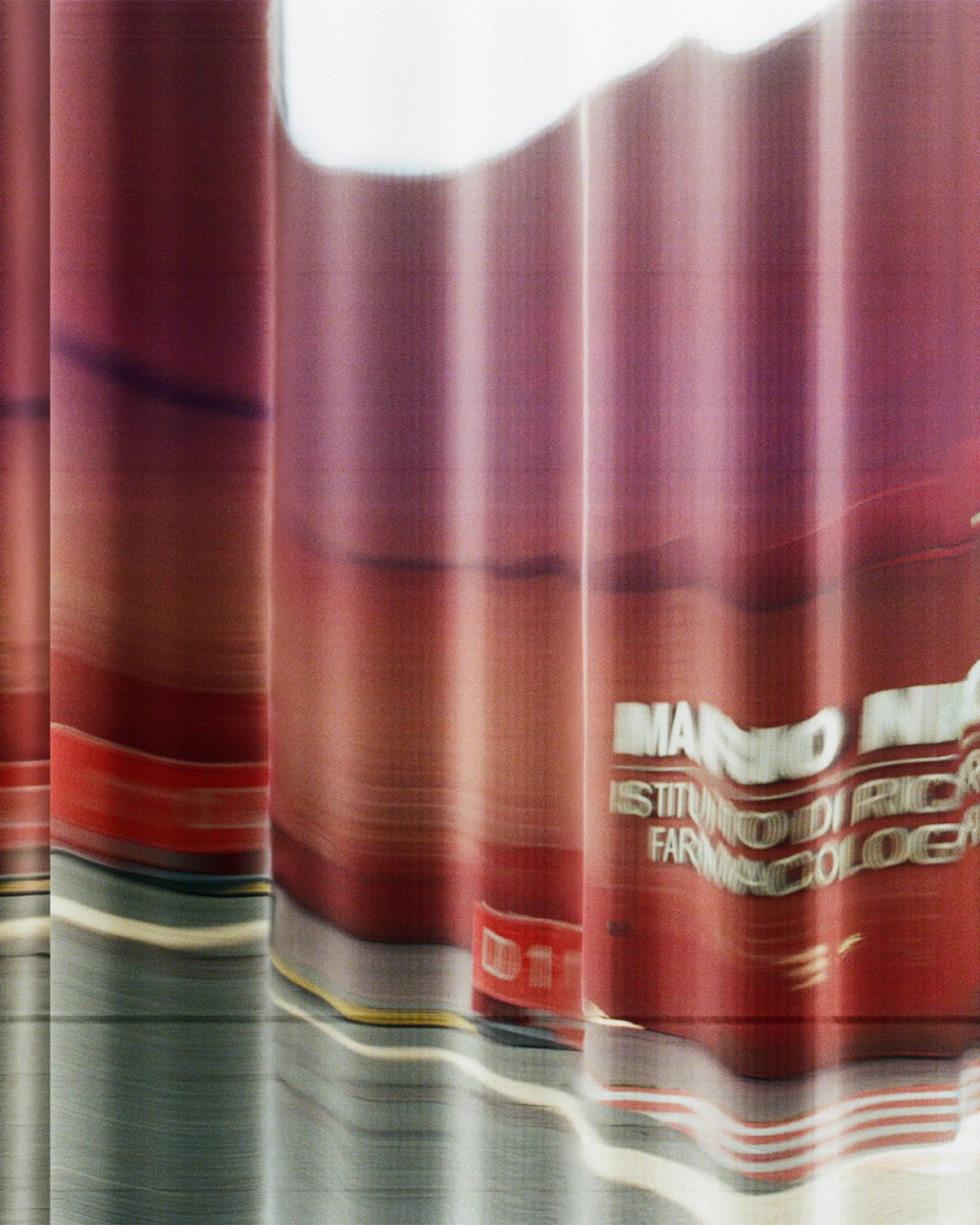
Ill. 3. Frontside Strip 3. Photo: Ann Sophia Kirchhofer and Florian Kilian Jaritz
Ill. 4. Frontside Strip 4. Photo: Ann Sophia Kirchhofer and Florian Kilian Jaritz
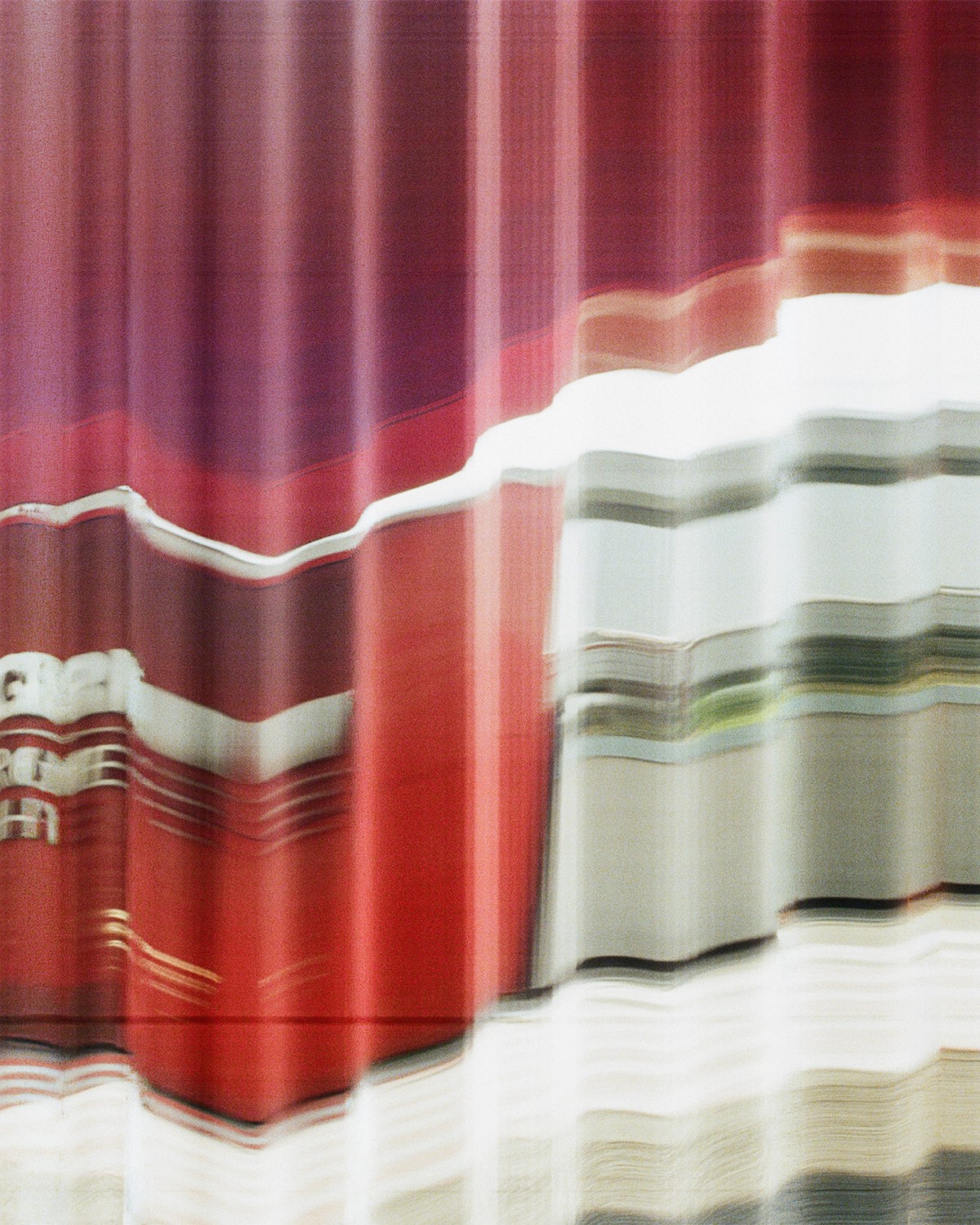
Ill. 5. Frontside Strip 5. Photo: Ann Sophia Kirchhofer and Florian Kilian Jaritz

Ill. 6. Frontside Strip 6. Photo: Ann Sophia Kirchhofer and Florian Kilian Jaritz
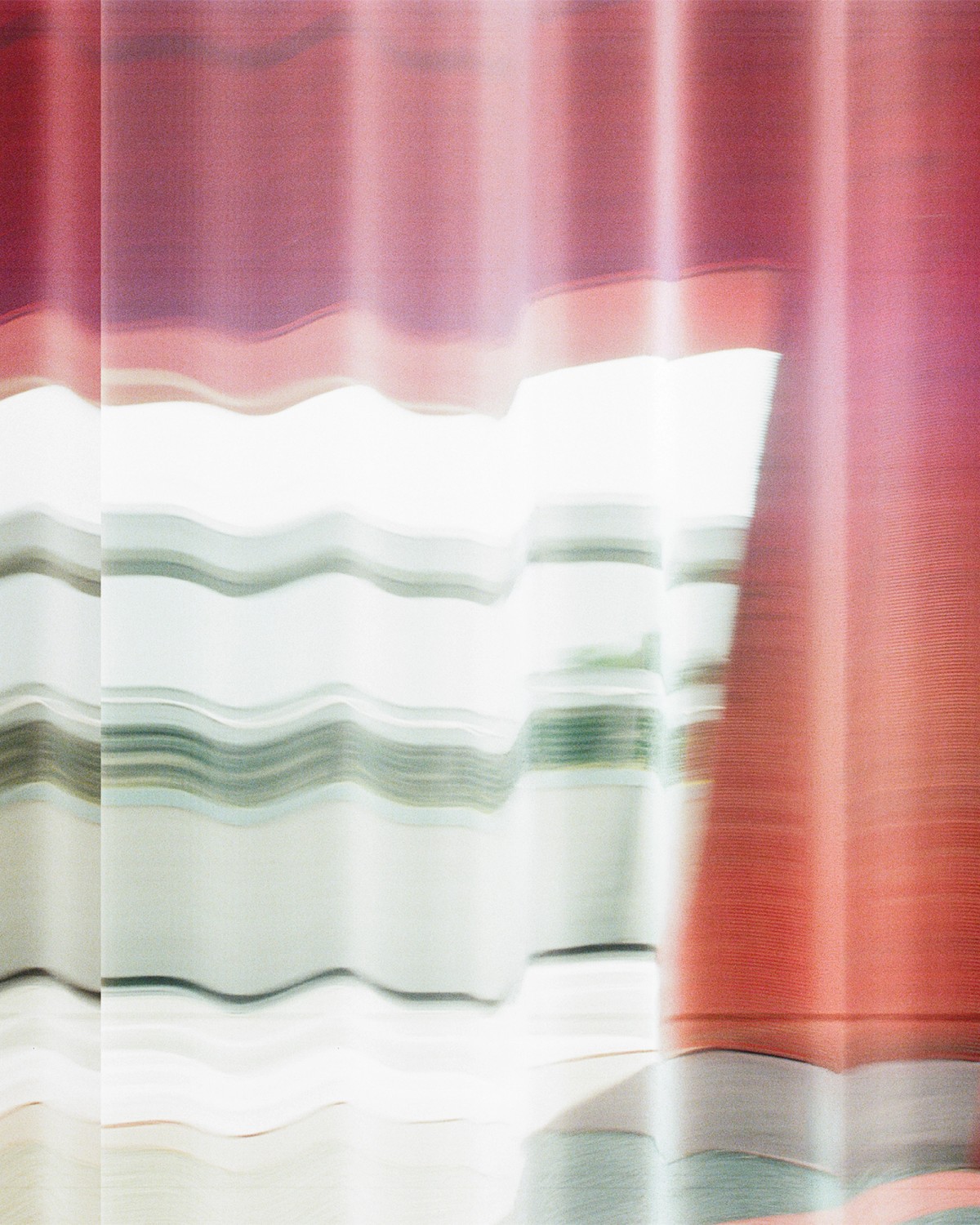
Ill. 7. Frontside Strip 7. Photo: Ann Sophia Kirchhofer and Florian Kilian Jaritz
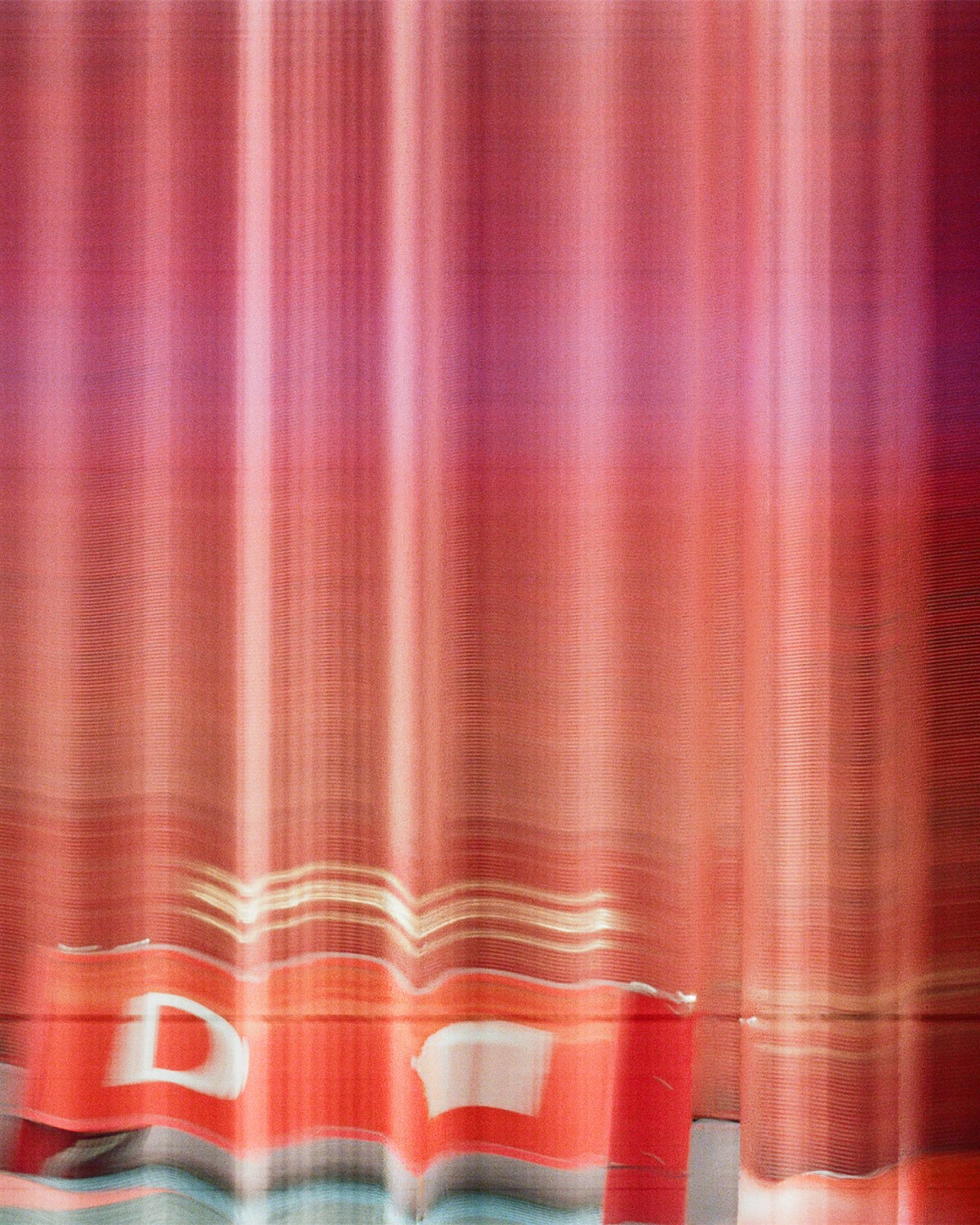
Ill. 8. Frontside Strip 8. Photo: Ann Sophia Kirchhofer and Florian Kilian Jaritz
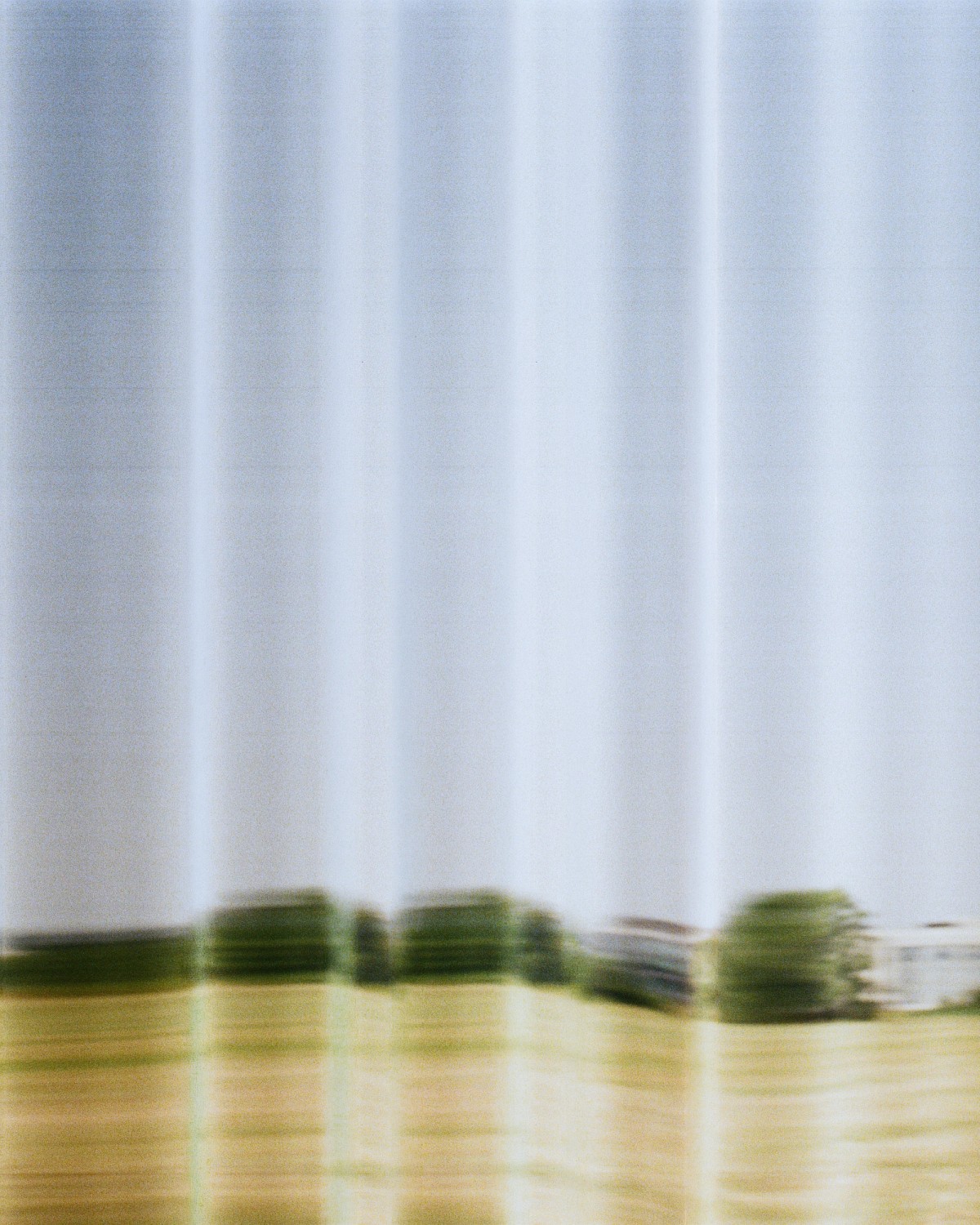
Ill. 9. Backside Strip 1. Photo: Ann Sophia Kirchhofer and Florian Kilian Jaritz
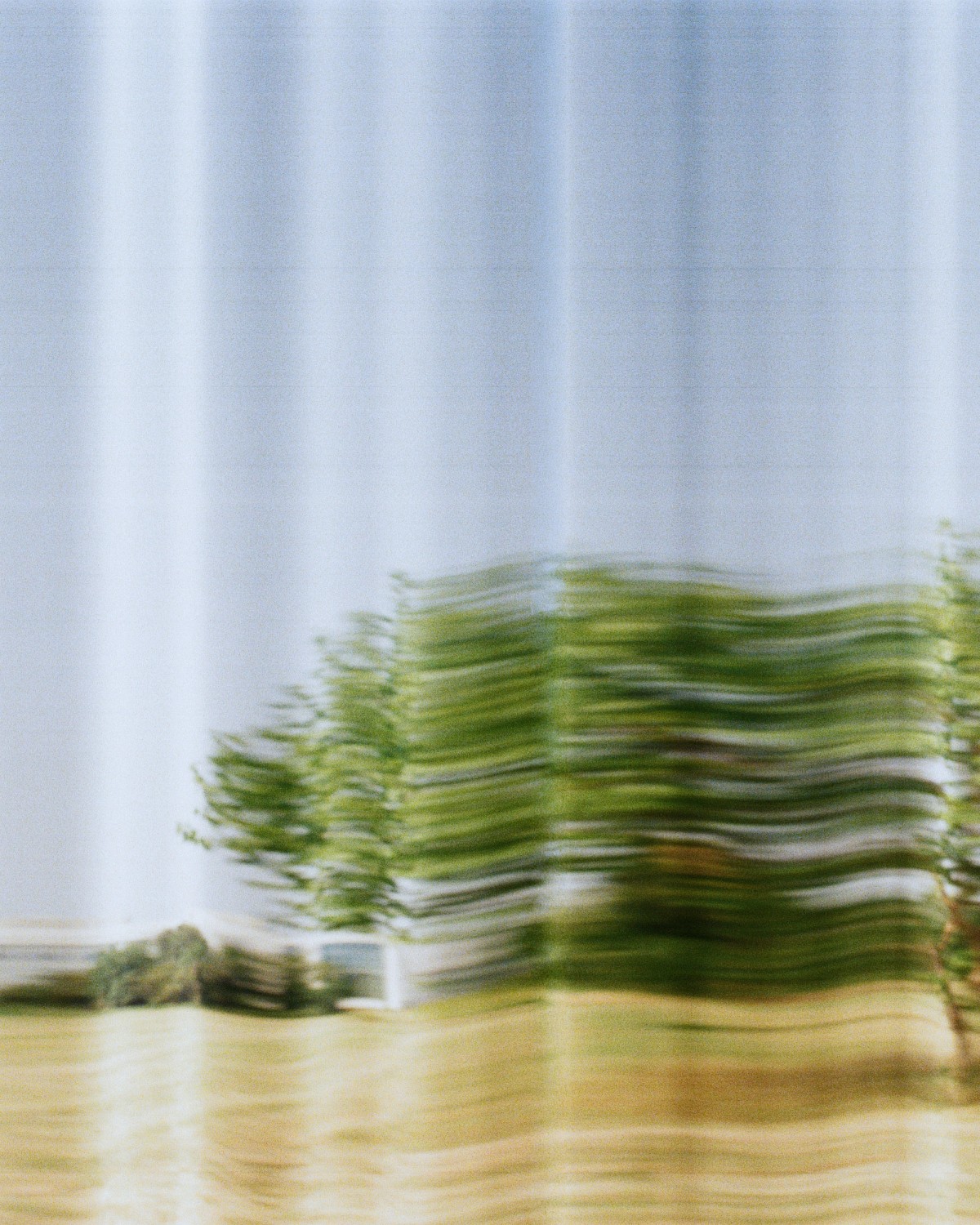
Ill. 10. Backside Strip 1. Photo: Ann Sophia Kirchhofer and Florian Kilian Jaritz
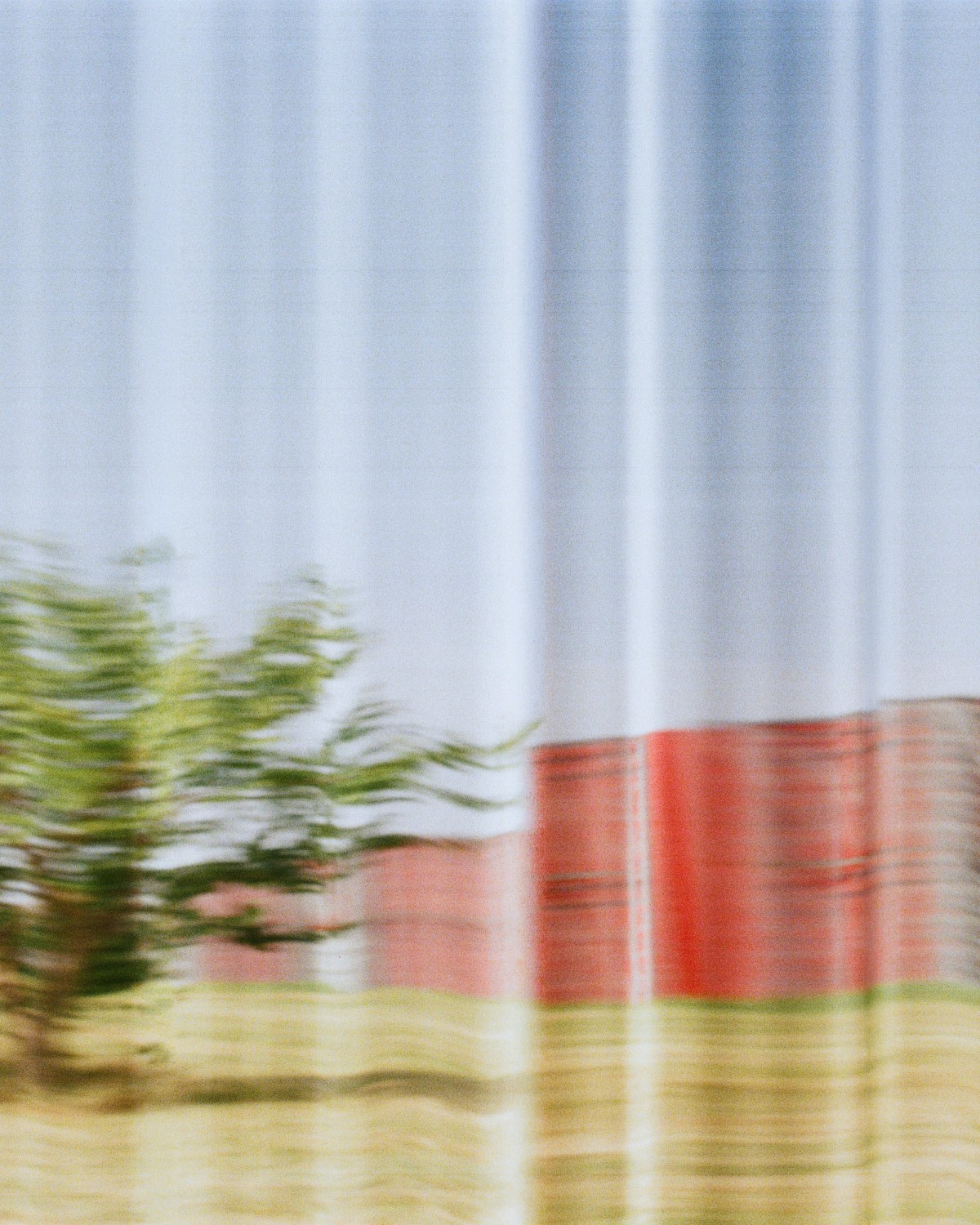
Ill. 11. Backside Strip 3. Photo: Ann Sophia Kirchhofer and Florian Kilian Jaritz
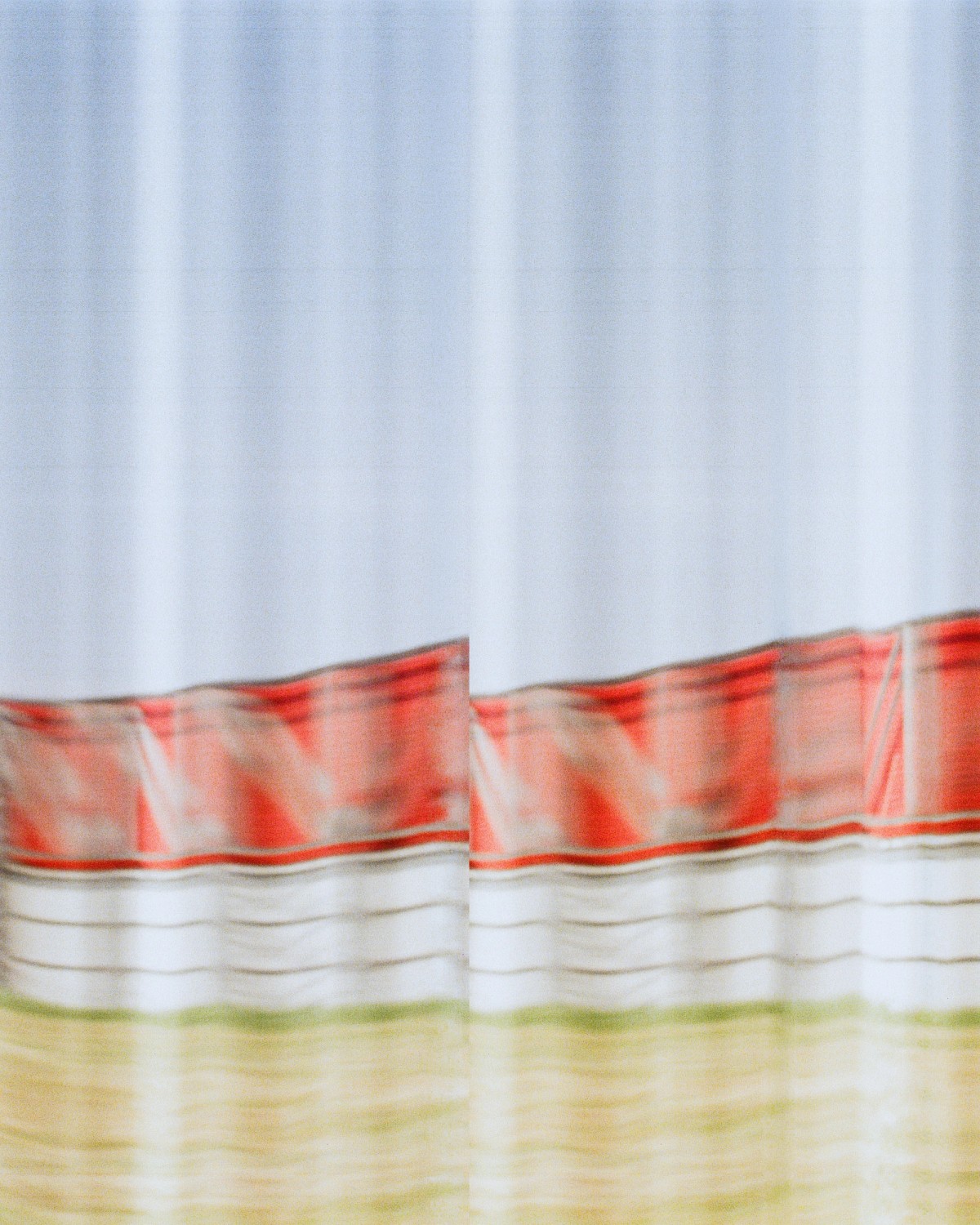
Ill. 12. Backside Strip 4. Photo: Ann Sophia Kirchhofer and Florian Kilian Jaritz
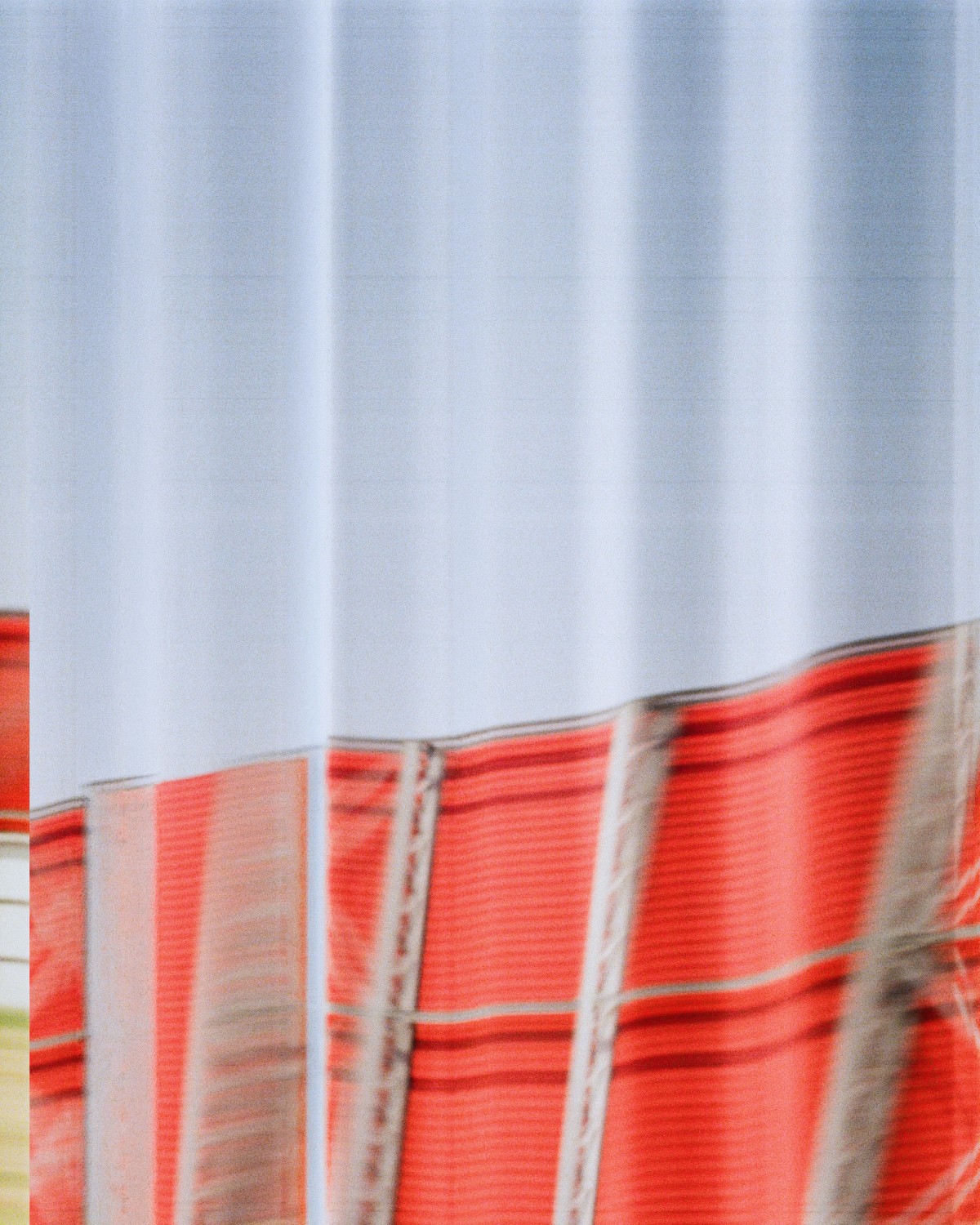
Ill. 13. Backside Strip 5. Photo: Ann Sophia Kirchhofer and Florian Kilian Jaritz
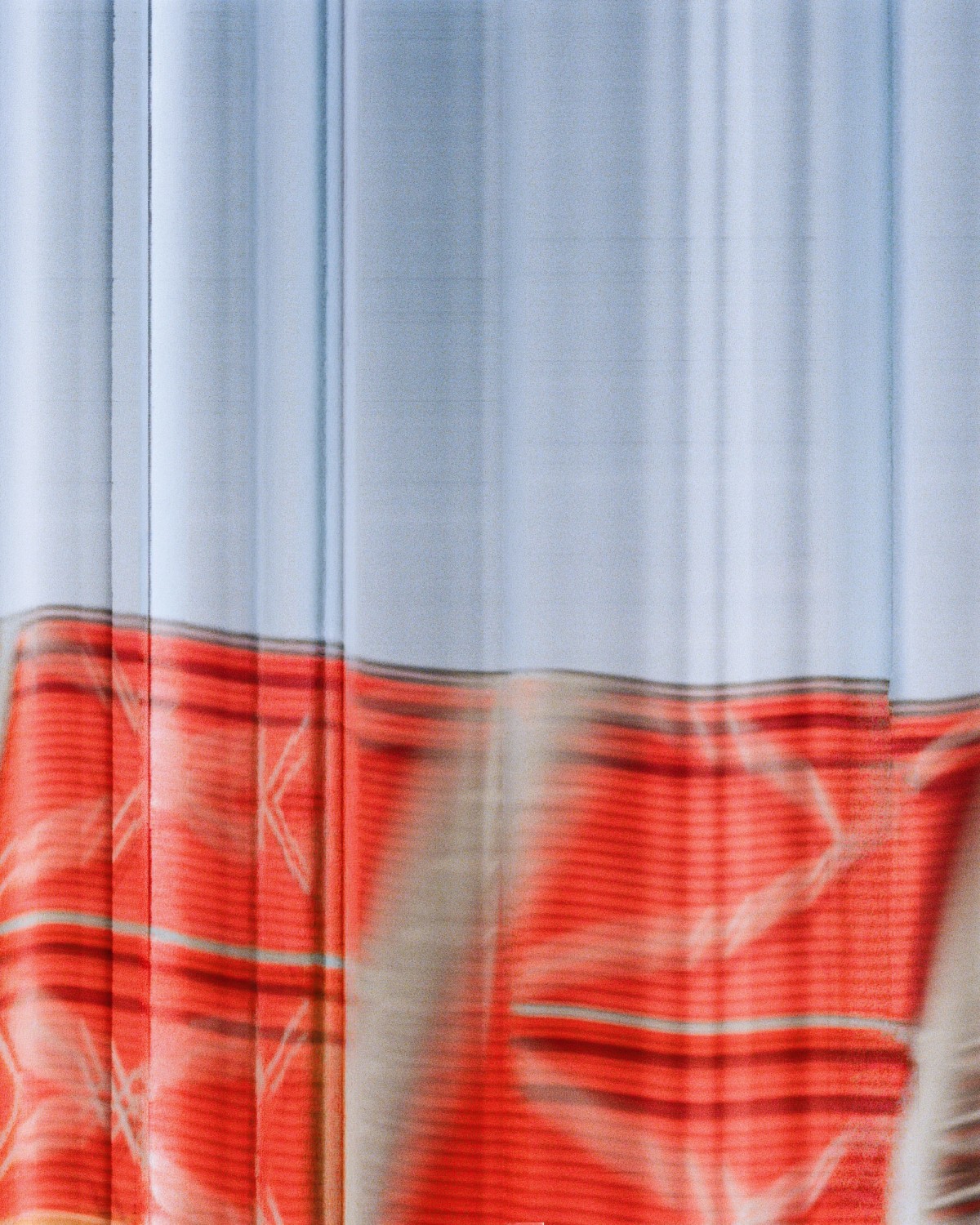
Ill. 14. Backside Strip 6. Photo: Ann Sophia Kirchhofer and Florian Kilian Jaritz
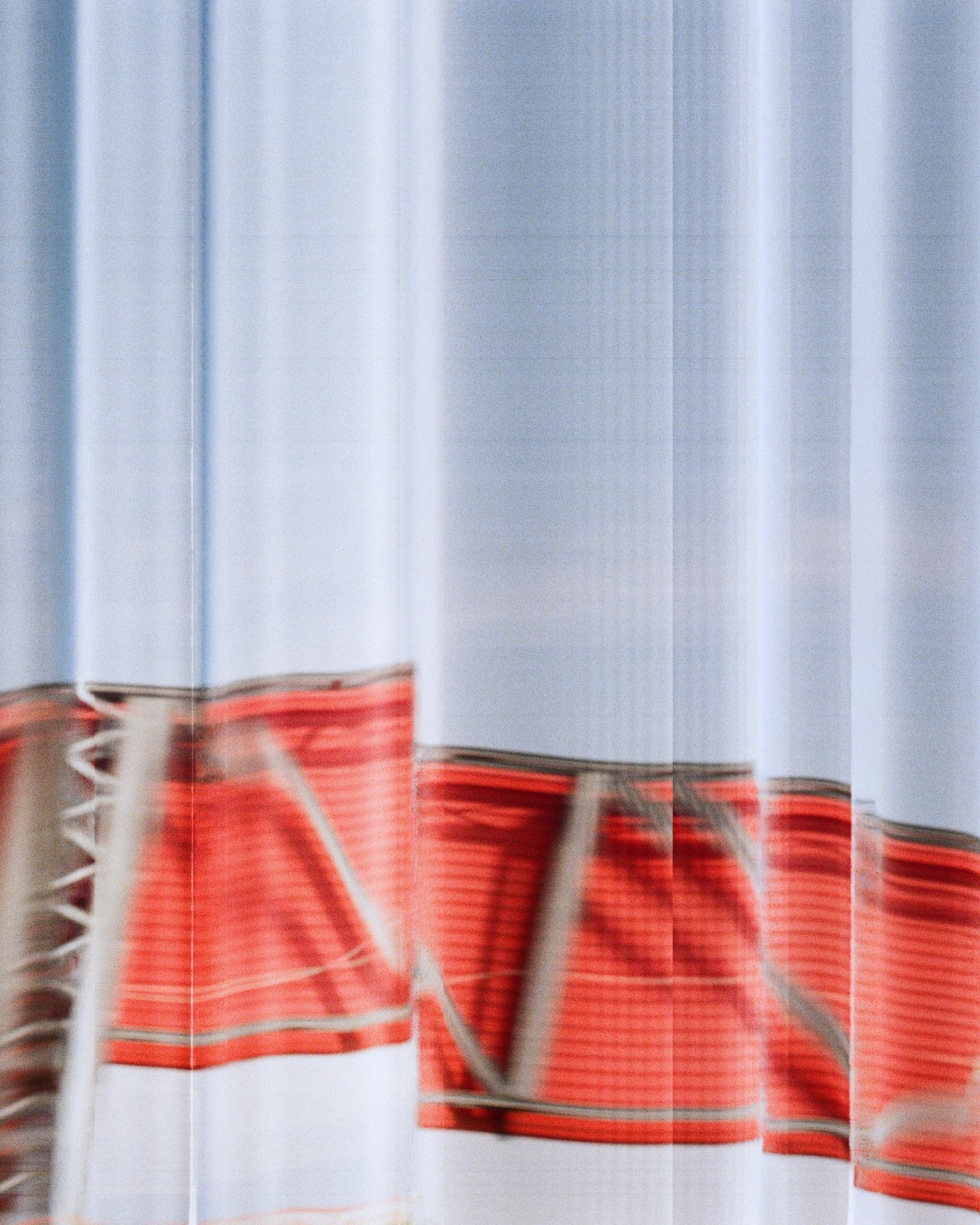
Ill. 15. Backside Strip 7. Photo: Ann Sophia Kirchhofer and Florian Kilian Jaritz
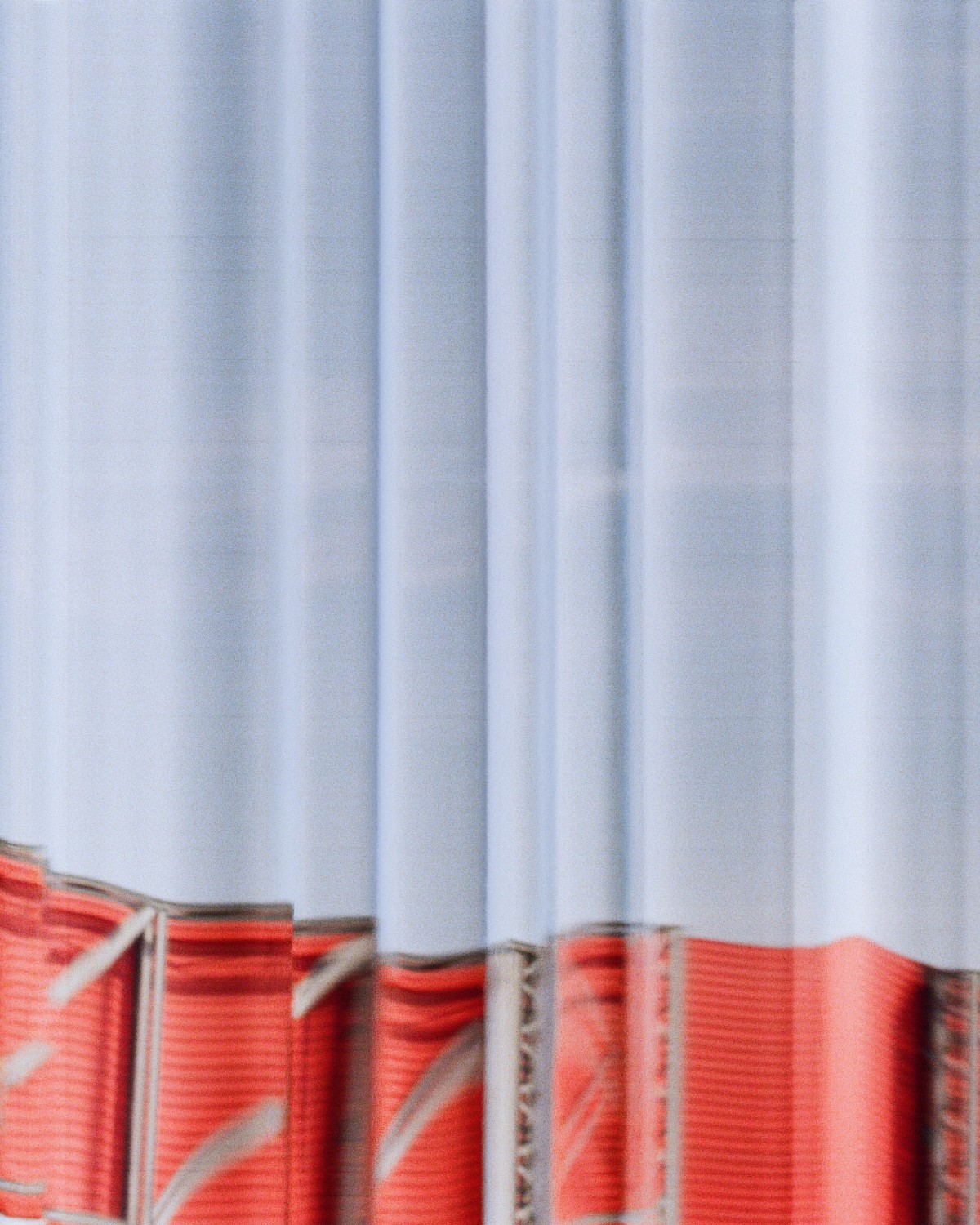
Ill. 16. Backside Strip 8. Photo: Ann Sophia Kirchhofer and Florian Kilian Jaritz
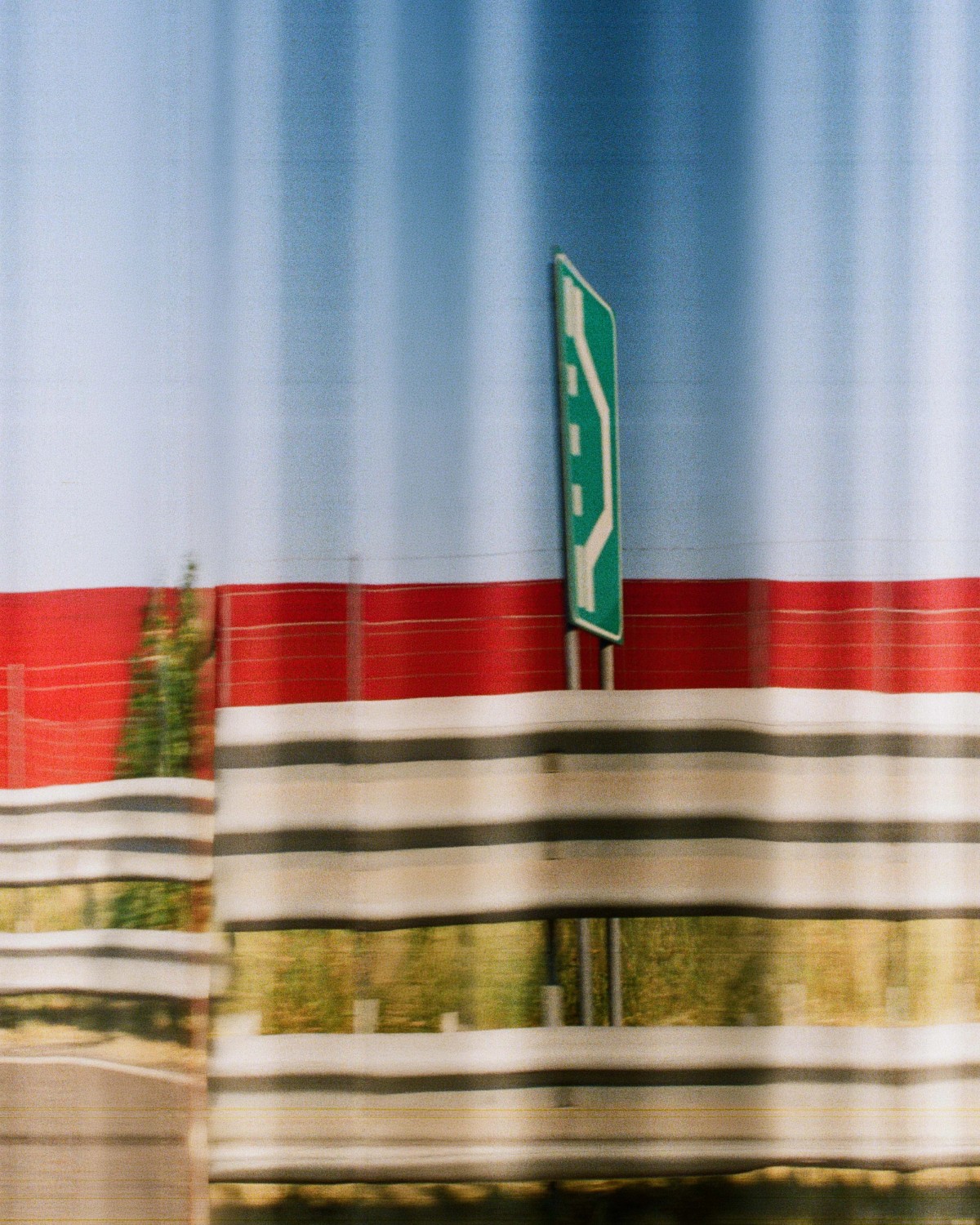
Ill. 17. Highway Strip 1. Photo: Ann Sophia Kirchhofer and Florian Kilian Jaritz
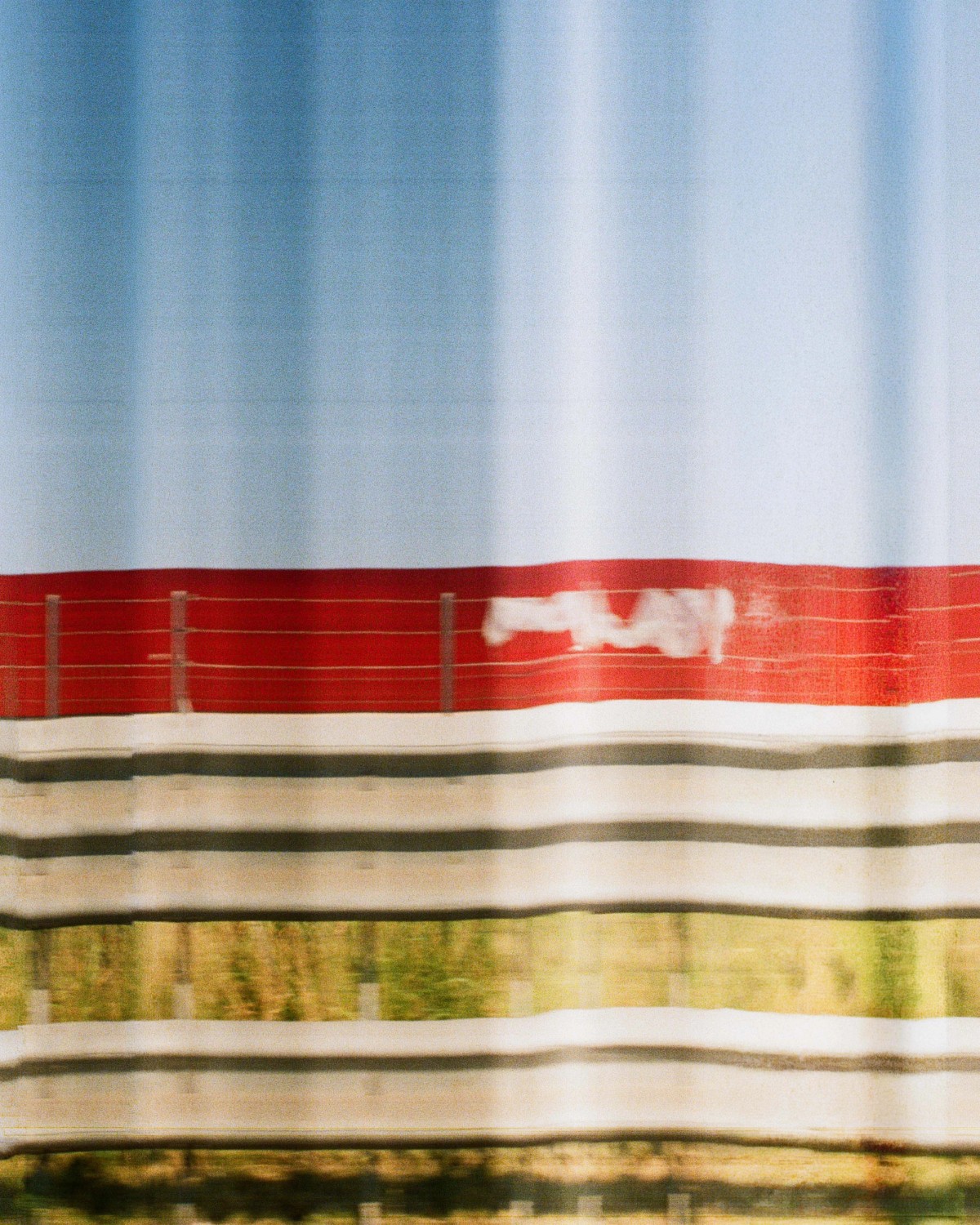
Ill. 18. Highway Strip 2. Photo: Ann Sophia Kirchhofer and Florian Kilian Jaritz
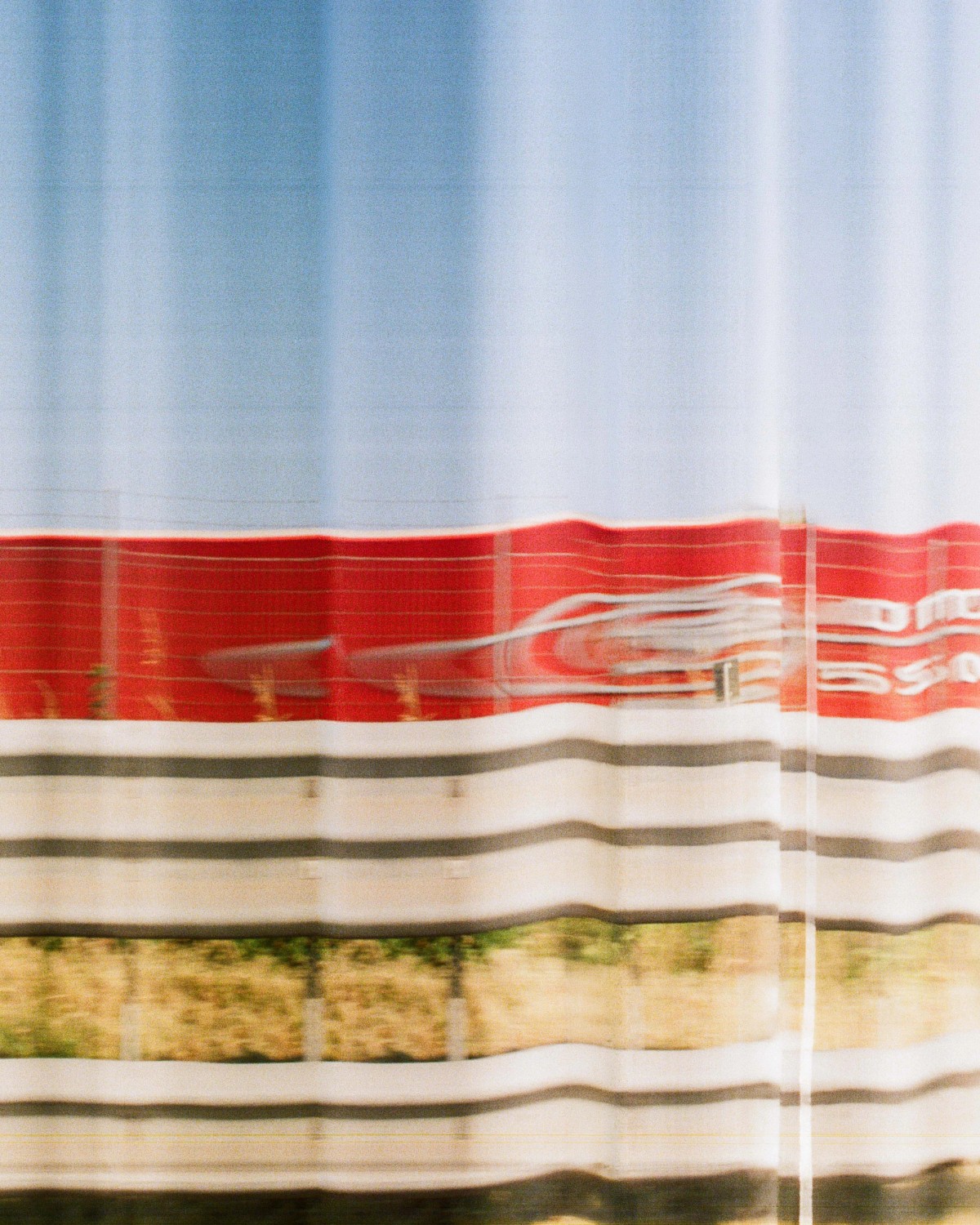
Ill. 19. Highway Strip 3. Photo: Ann Sophia Kirchhofer and Florian Kilian Jaritz
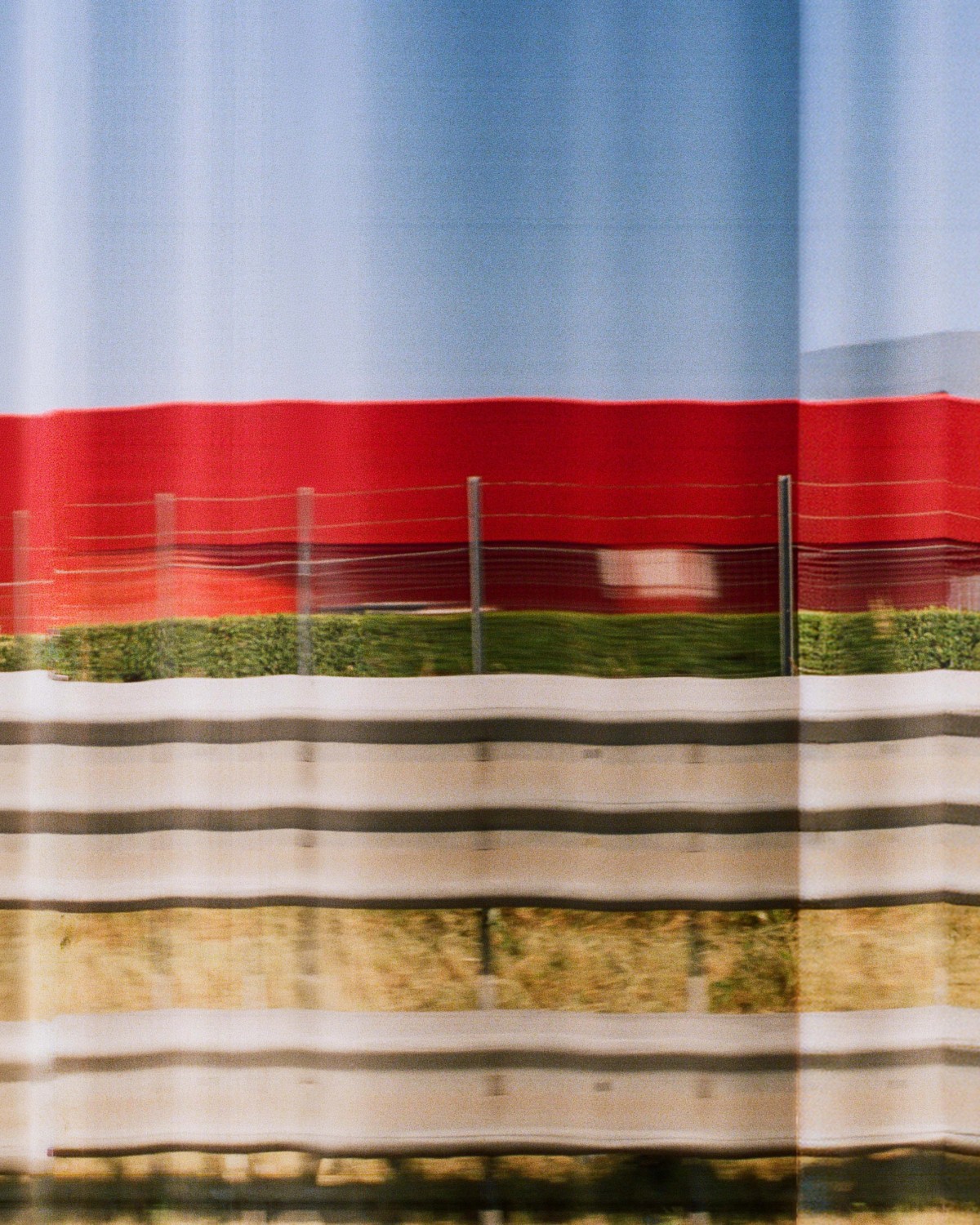
Ill. 20. Highway Strip 4. Photo: Ann Sophia Kirchhofer and Florian Kilian Jaritz
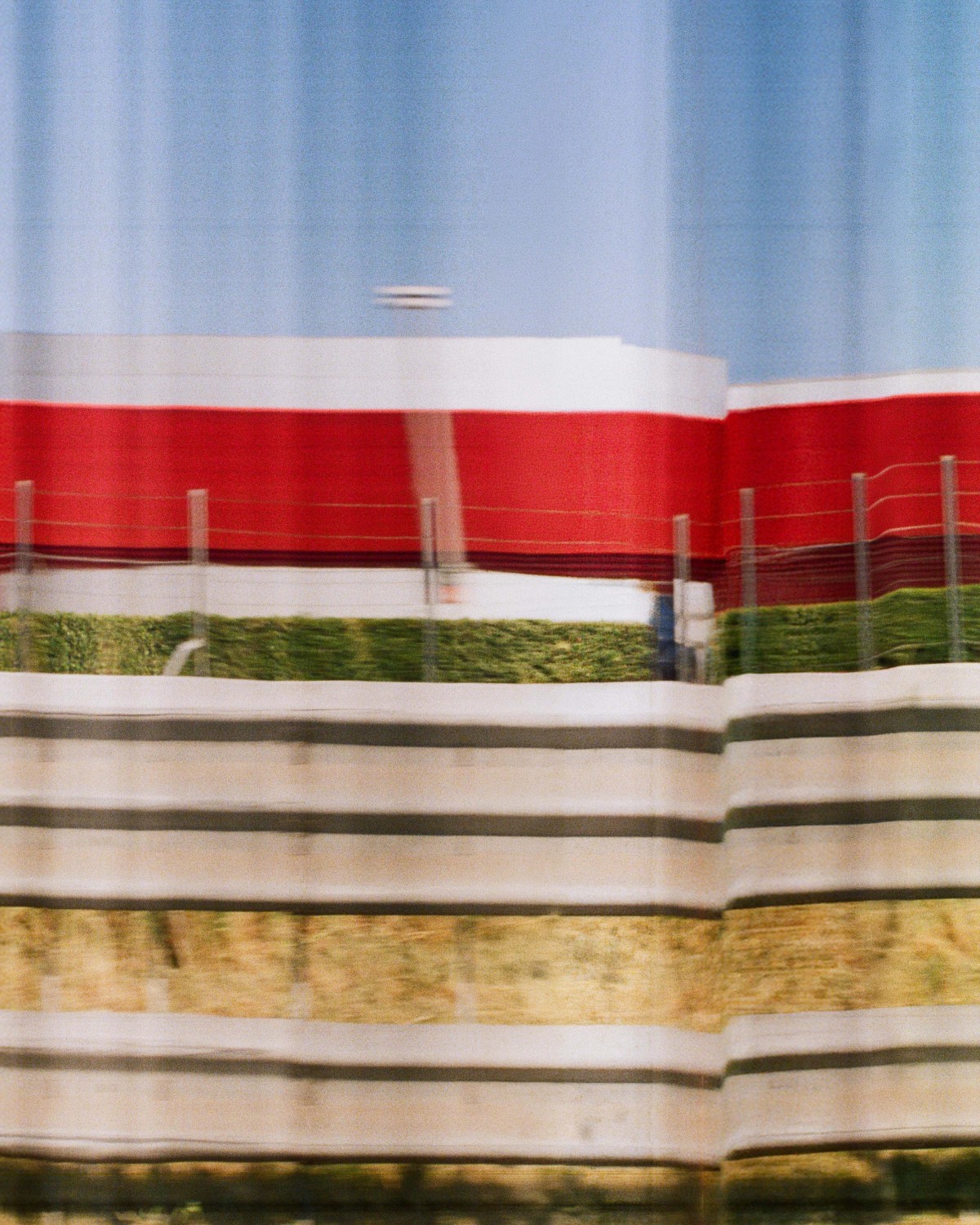
Ill. 21. Highway Strip 5. Photo: Ann Sophia Kirchhofer and Florian Kilian Jaritz
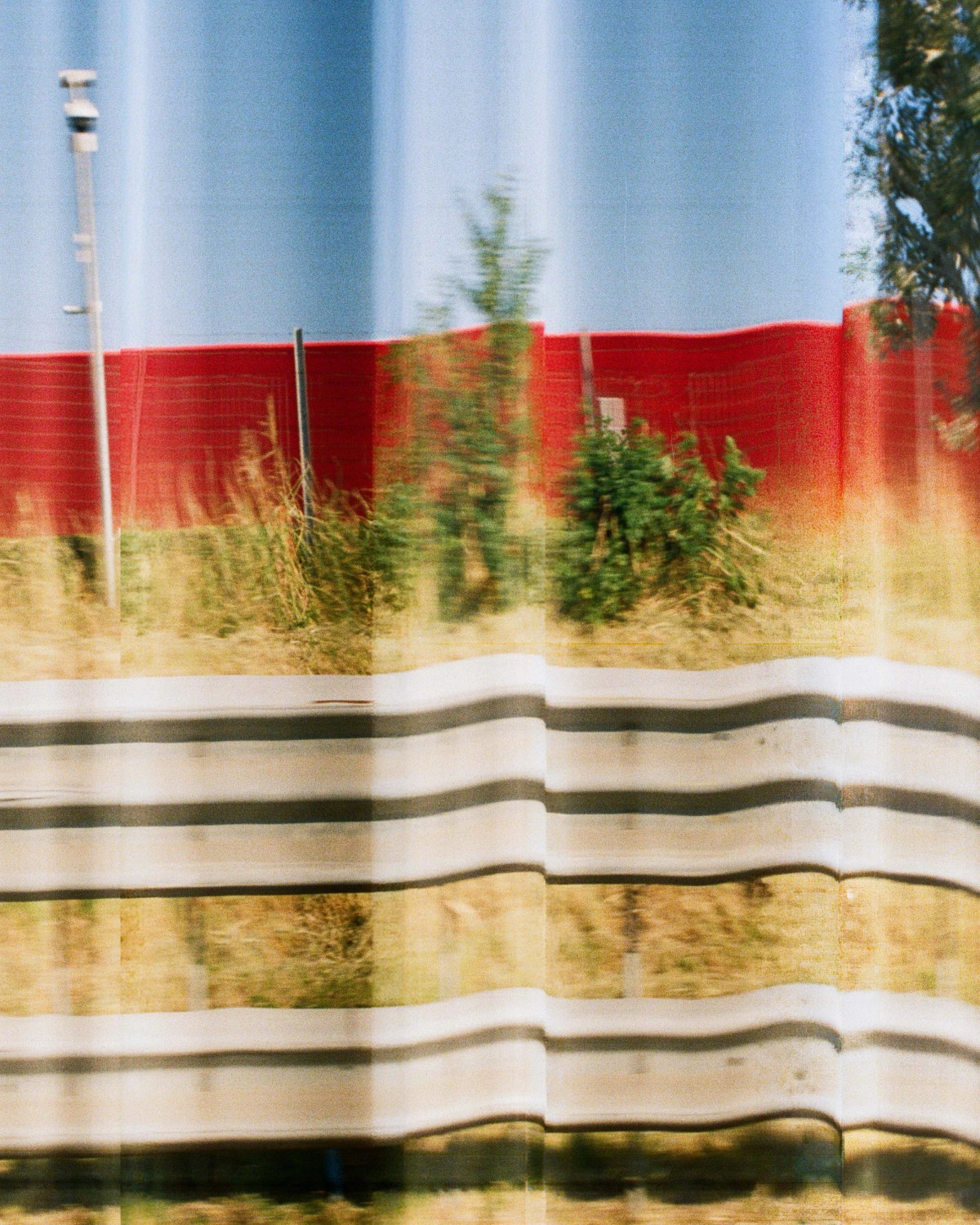
Ill. 22. Highway Strip 6. Photo: Ann Sophia Kirchhofer and Florian Kilian Jaritz
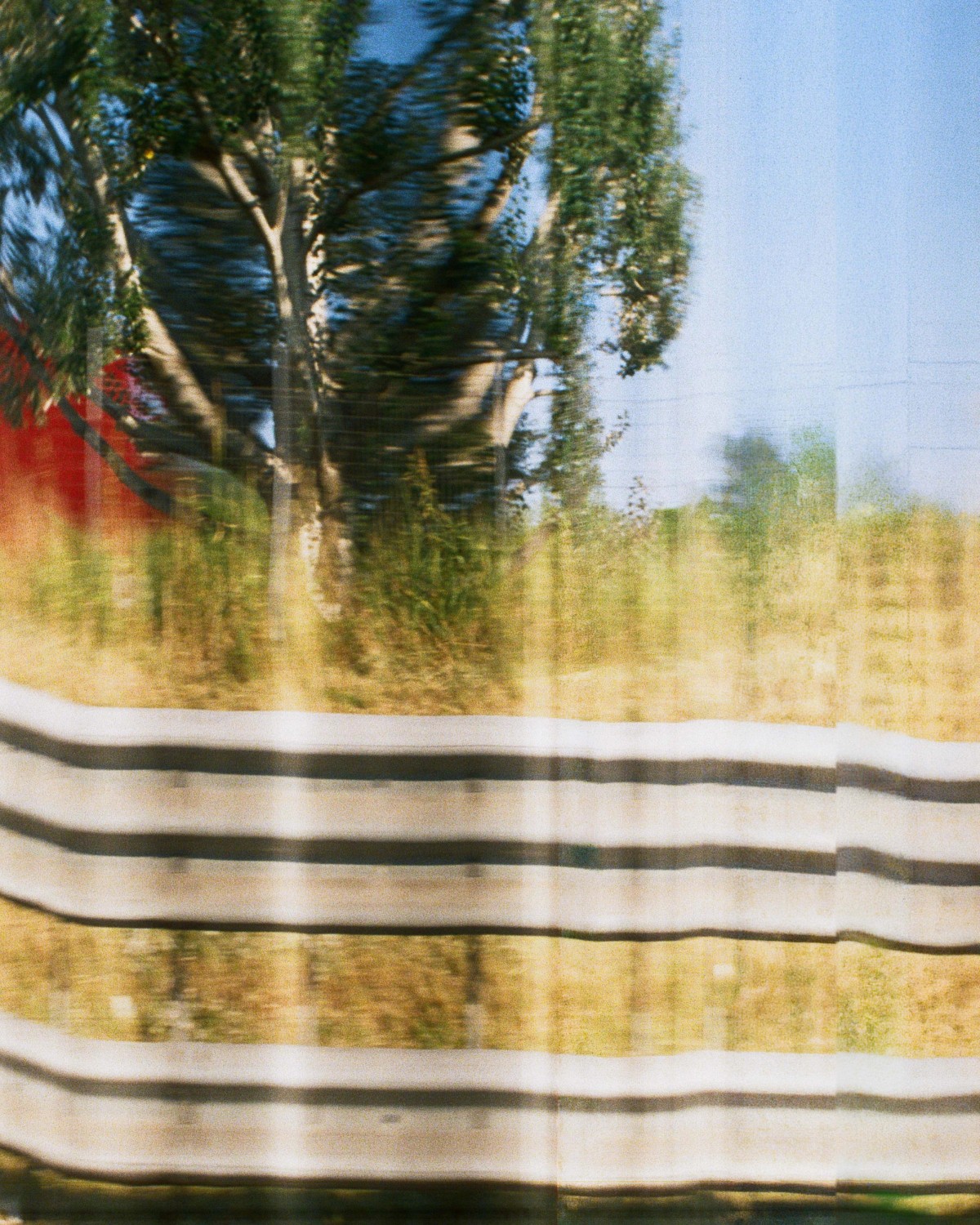
Ill. 23. Highway Strip 7. Photo: Ann Sophia Kirchhofer and Florian Kilian Jaritz
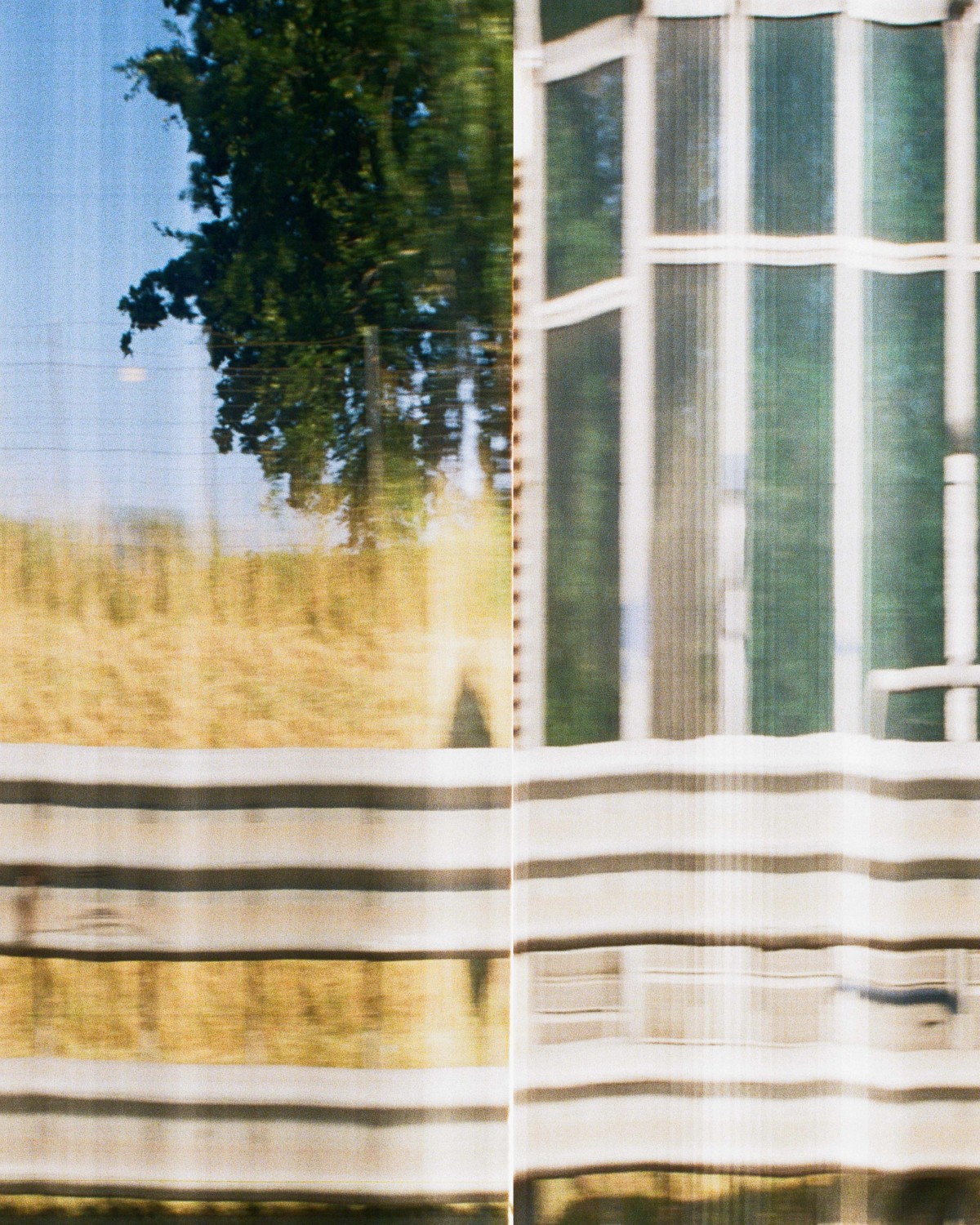
Ill. 24. Highway Strip 8. Photo: Ann Sophia Kirchhofer and Florian Kilian Jaritz
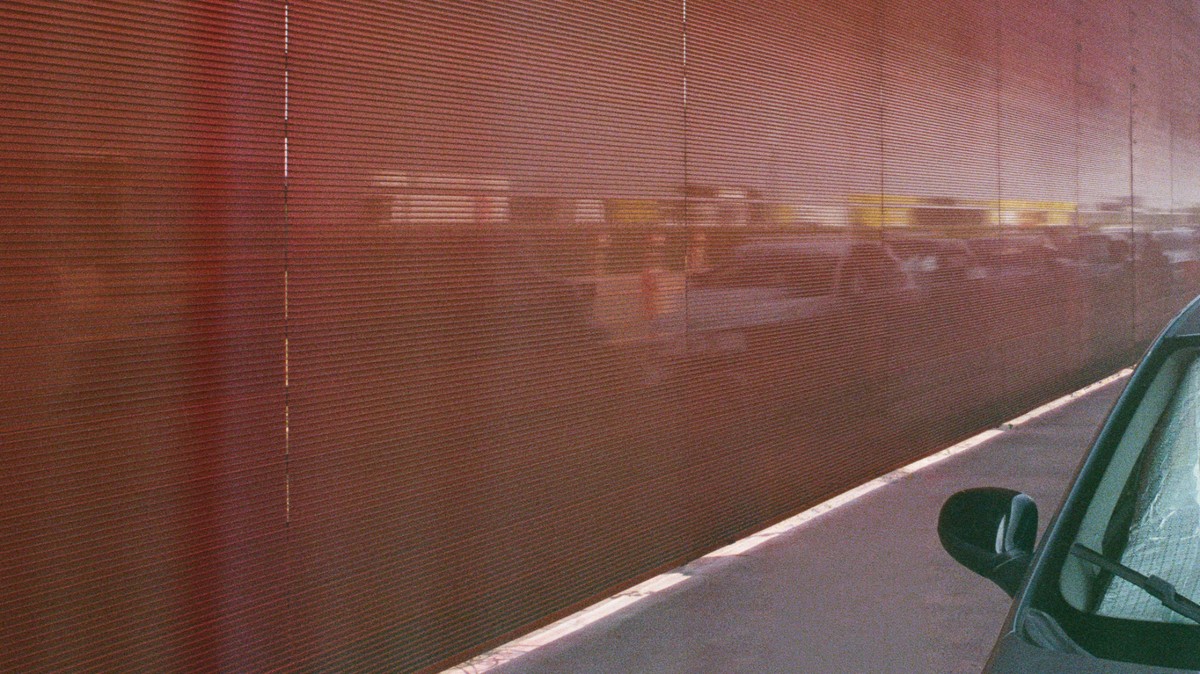
Ill. 25. Still. Photo: Ann Sophia Kirchhofer and Florian Kilian Jaritz
ACCELERATION
As we drive eastbound on motorway A4 from Milan to Bergamo, the red needle on the meter reaches 130 kilometres per hour, the limit on Italian motorways. At this speed, it takes about 30 seconds to cover a distance of one kilometre. Just as suddenly as the unmistakable element, intentionally out of scale, appears alongside the expanded motorway landscape, it has already faded again in the rearview mirror.
For a while now, nondescript buildings have flown past our window. Together with the emptiness between, they assemble into a landscape that compresses vastness and accumulations of density in repeating patterns. Next to the motorway, the meaning of scale seemingly dissolves and visual continuity depends largely on the speed of travel. Against the backdrop of the Alps and against our initial observation, this impression changes momentarily. A continuous red wall now runs in parallel to the road, separated from the four lanes via a guardrail and a parking lot that appears to borrow some elements from the runway of an airfield. Like the motorway the parking lot borders, four lanes run through it. Illuminated red signs section the surface into A 1’s and A 2’s and A 3’s and so on. What followed were more choreographed attempts to draw closer to the object of desire. The car must choreograph its movement according to the entwined sequence of toll stations, roundabouts, bridges and fences to finally allow a zoom-in on that which, while aiming for hypervisibility, resists close inspection.
The glossy, ten metres high Ferrari-red aluminium wall screens research centres, laboratories, and high-tech manufacturing facilities. Most notably, the Italian company Brembo S.P.A. produces braking systems for Ferraris and other high-performance cars. At times, a quasi-moiré effect on the wall makes the reflections of the adjacent highway and the car park dance. One cannot but notice a certain excessiveness in the detailing and use of material: Here, on the front side, the promises of acceleration and prosperity are made. This architecture knows how to keep up its facade, projecting its slick reflection onto the world around it.

CRASH
This building is a child of its time. The noughties – the time between 2000 and 2009 – were shiny, confident and somewhat reckless. Architecture took its cue from the era's pop stars, with their ever-smiling faces and glossed lips. Architecture was allowed to be pop, even grotesque and outrageous. Buildings like the Kilometro Rosso flouted the rules of material efficiency, becoming monuments to that moment of frenzy just before it became clear that there are, in fact, limits.
With high-performance cars and high-performance braking systems alike, the colour red evokes notions of intense emotion; those of passion and love, but also of power, dominance and aggression. The greater the speed, the better the brakes need to be. And what goes up must come down, eventually. This proves true for cars, for societies, for markets and economies at large. The noughties came to a sudden end when the 2008 collapse of the U.S. housing market and predatory mortgage lending triggered a global economic downturn which caused the deepest recession since the Great Depression.

BREAK
Capturing moments in time characterized by turmoil implies looking back, to shift perspective. The workings of an analogue camera are fairly straightforward: the film advances from left to right, and with each opening and closing of the shutter, another section of film is exposed. One photograph captures one moment in time. Thirty-six images accumulate on the right side of the camera this way, until pressing the rewind button spools the film back to the left again.
A slit-scan image, by contrast, encodes consecutive strips of time into a single exposure. Instead of being recorded frame by frame, the subject rushes across the film's light-sensitive surface as it rewinds. One continuous movement of space and time is captured. The sharpness of the red façade gradually dissects into a scattered line, until it reveals itself as a distorted, unstable version of itself. Every crisis brings instability along with it, what was once known disassembles. How else would architecture manifest itself then, in a world devoid of stability?


REARVIEW
Any wall inevitably produces the condition of a front and back. Changing sides – slipping through the large opening that frames the meadow behind the conspicuous wall – feels like trespassing. Viewed from behind, the front image dismantles into a somewhat temporary appearance. A system of repeating steel trusses and panel elements now frames the distant highway from this scaffold-like hinterland, this backstage. A certain constructive rationale suggests it could be dismantled in the same amount of time it takes to drive past it. Against the bright red of the aluminium prop, the green of the pristine meadow appears more vivid, as though someone had suddenly turned up the saturation. In this accidental landscape, a single tree, almost biblical in nature, holds its ground. Grass grows around the pillars, as there is no place for it on the otherwise strictly sealed surface of the parking lot behind. Here, the linear monumentality gives way to fragility and beauty is to be found: What is front and what is back lies entirely in the eye of the beholder.
Pop culture has evolved into a retroactive nostalgia for the past and for the noughties specifically. And although music and fashion from two decades ago have had a revival over the last few years, we arguably live in different times now. Frenzy has changed places with the rational as architecture follows different rules in the face of a changing climate and wicked problems. A building's performance takes precedence over its form, and over the image it conveys. Conversions, renovations and re-use let a new language emerge; A front can become a back, and vice versa. The grass may be greener on the other side – or there might be none at all. Buildings appear assembled, layered, bolted and form assemblages that are allowed to be equally constructed and re-constructed. This does not reject permanence, and it is architectures of the now that promise to create new meanings out of existing complexity. In that way, they avoid turning to cynicism in a world where it seems everything has already existed, where the hundredth remix of that Britney song cannot trick us anymore into believing the promises of growth and progress from yesteryear.
The architect assured his client an unmissable presence back then, that even at 150 kilometres per hour drivers will know what they have just passed. Arguably, architecture unfolds on a different timescale than that of a car on a highway. It is frustratingly slow to adapt. Fortunately, it is not from the fast lane that the complexity of a place unfolds. It is the layers of time and the capacity to acquire new meaning that reveal the way a building manifests itself in the present.
–
Florian Kilian Jaritz is a Zurich-based architect and researcher. He holds an MSc from ETH Zurich and a BA from the Berlin University of the Arts, and has worked with architectural practices including b+, Brandlhuber+, and David Chipperfield Architects. He currently works as an academic assistant at the Chair of Adam Caruso at the ETH Zurich Department of Architecture. In 2024, he co-founded re–gards, a collaborative for research and action. His work has been exhibited at the 19th Venice Architecture Biennale.
Ann Sophia Kirchhofer is a Zurich-based architect who holds an MSc from ETH Zurich. In her academic work at ETH, she served as an editor for the magazine Territories of Play by Chair VOLUPTAS. As a writer and spatial practitioner, she frames the reality surrounding us through a lens of poetic observation and narrative. Currently, she investigates satellites as extended bodies in space, exploring their orbital movements as choreographies of power.
Næste: Taste for Counterfeits – Broken fakes in Architectural Imitation and Representation
Ill. 1. Frontside Strip 1. Photo: Ann Sophia Kirchhofer and Florian Kilian Jaritz
Ill. 2. Frontside Strip 2. Photo: Ann Sophia Kirchhofer and Florian Kilian Jaritz
Ill. 3. Frontside Strip 3. Photo: Ann Sophia Kirchhofer and Florian Kilian Jaritz
Ill. 4. Frontside Strip 4. Photo: Ann Sophia Kirchhofer and Florian Kilian Jaritz
Ill. 5. Frontside Strip 5. Photo: Ann Sophia Kirchhofer and Florian Kilian Jaritz
Ill. 6. Frontside Strip 6. Photo: Ann Sophia Kirchhofer and Florian Kilian Jaritz
Ill. 7. Frontside Strip 7. Photo: Ann Sophia Kirchhofer and Florian Kilian Jaritz
Ill. 8. Frontside Strip 8. Photo: Ann Sophia Kirchhofer and Florian Kilian Jaritz
Ill. 9. Backside Strip 1. Photo: Ann Sophia Kirchhofer and Florian Kilian Jaritz
Ill. 10. Backside Strip 1. Photo: Ann Sophia Kirchhofer and Florian Kilian Jaritz
Ill. 11. Backside Strip 3. Photo: Ann Sophia Kirchhofer and Florian Kilian Jaritz
Ill. 12. Backside Strip 4. Photo: Ann Sophia Kirchhofer and Florian Kilian Jaritz
Ill. 13. Backside Strip 5. Photo: Ann Sophia Kirchhofer and Florian Kilian Jaritz
Ill. 14. Backside Strip 6. Photo: Ann Sophia Kirchhofer and Florian Kilian Jaritz
Ill. 15. Backside Strip 7. Photo: Ann Sophia Kirchhofer and Florian Kilian Jaritz
Ill. 16. Backside Strip 8. Photo: Ann Sophia Kirchhofer and Florian Kilian Jaritz
Ill. 17. Highway Strip 1. Photo: Ann Sophia Kirchhofer and Florian Kilian Jaritz
Ill. 18. Highway Strip 2. Photo: Ann Sophia Kirchhofer and Florian Kilian Jaritz
Ill. 19. Highway Strip 3. Photo: Ann Sophia Kirchhofer and Florian Kilian Jaritz
Ill. 20. Highway Strip 4. Photo: Ann Sophia Kirchhofer and Florian Kilian Jaritz
Ill. 21. Highway Strip 5. Photo: Ann Sophia Kirchhofer and Florian Kilian Jaritz
Ill. 22. Highway Strip 6. Photo: Ann Sophia Kirchhofer and Florian Kilian Jaritz
Ill. 23. Highway Strip 7. Photo: Ann Sophia Kirchhofer and Florian Kilian Jaritz
Ill. 24. Highway Strip 8. Photo: Ann Sophia Kirchhofer and Florian Kilian Jaritz
Ill. 25. Still. Photo: Ann Sophia Kirchhofer and Florian Kilian Jaritz