Print this page to PDF (CMD + P) to save a copy of this issue.
Magasin for Bygningskunst og Kultur
Nr. 3, 2022
Moving Landscape: Films
The workshop Moving Landscapes deployed film as a tool to identify and establish territorial narratives, preparing the students at Finder Sted / Taking Place for their architectural project development. The following contribution is a collection of the thirteen films with comments by Silvia Cipelletti and Emil Hvelplund Kristiansen, who taught the workshop.
Films by students at Finder Sted / Taking Place
5 min
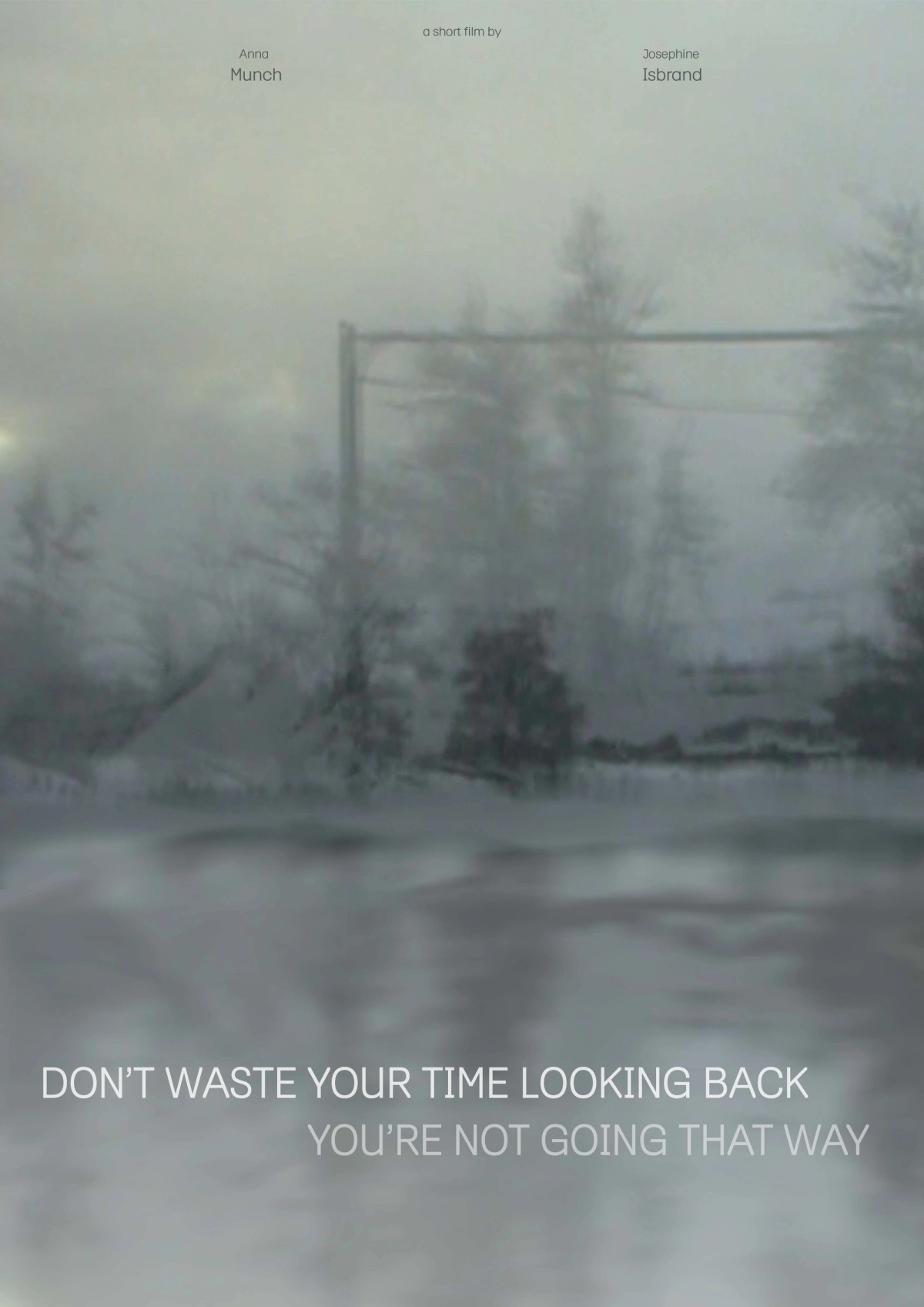
DON’T WASTE YOUR TIME LOOKING BACK: YOU ARE NOT GOING THAT WAY
Don’t waste your time looking back: you are not going that way depicts a choral flow of testimonies from the citizens of Kiruna, transcending the notion of linear time and paying a tribute to the value of memory. Despite its ironic title, the film cherishes nostalgia and normalises the coexistence of the past in the present architectural imagery.
By: Anna Munch and Josephine Isbrand
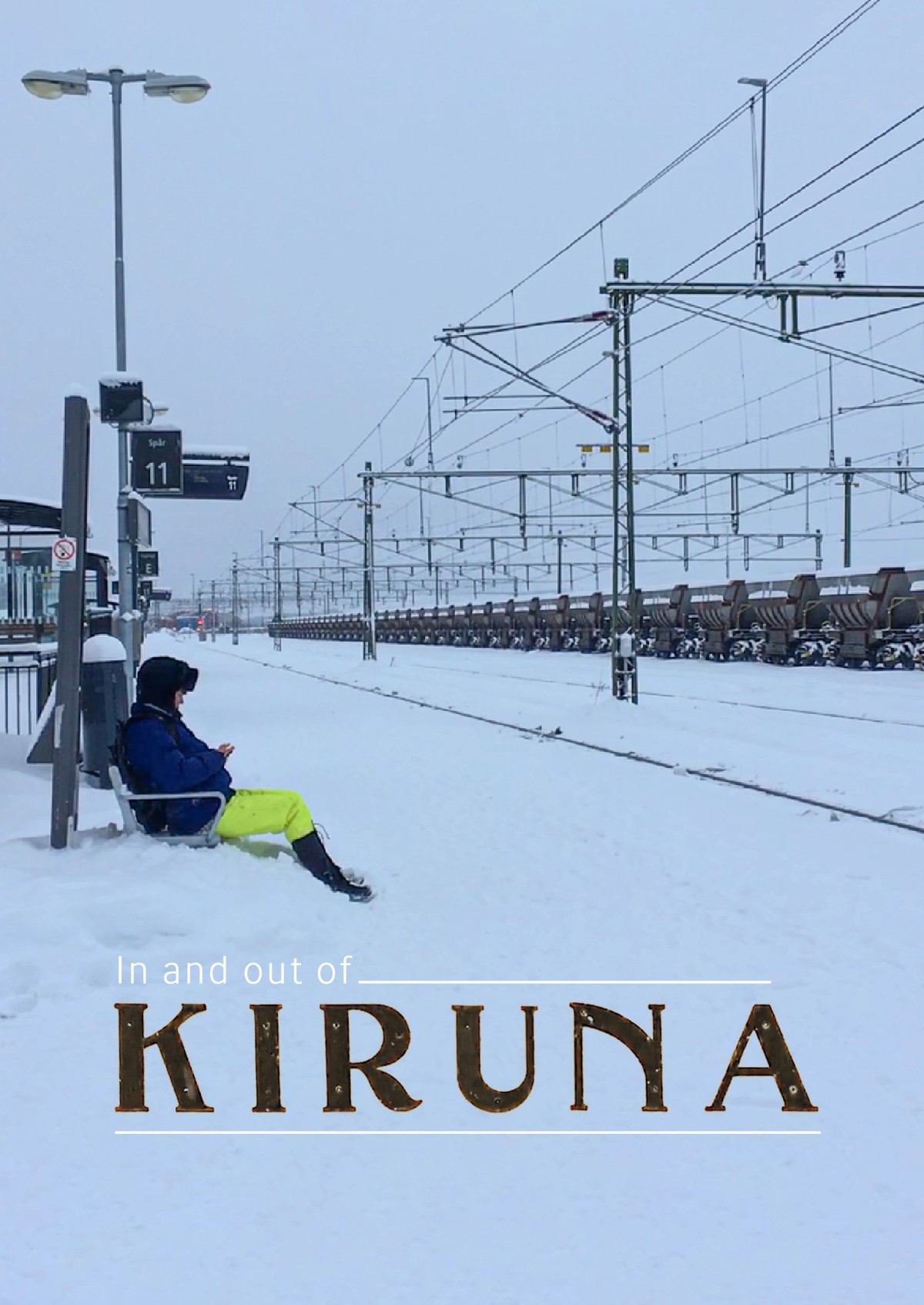
IN AND OUT OF KIRUNA
In and out of Kiruna takes the allegory of memory to its extreme, in an experimental attempt to study the train station as a physical archive, a territorial palimpsest where imagined stories of inhabitants and commuters assemble a landscape in transition.
By: Merete Lind Hansen
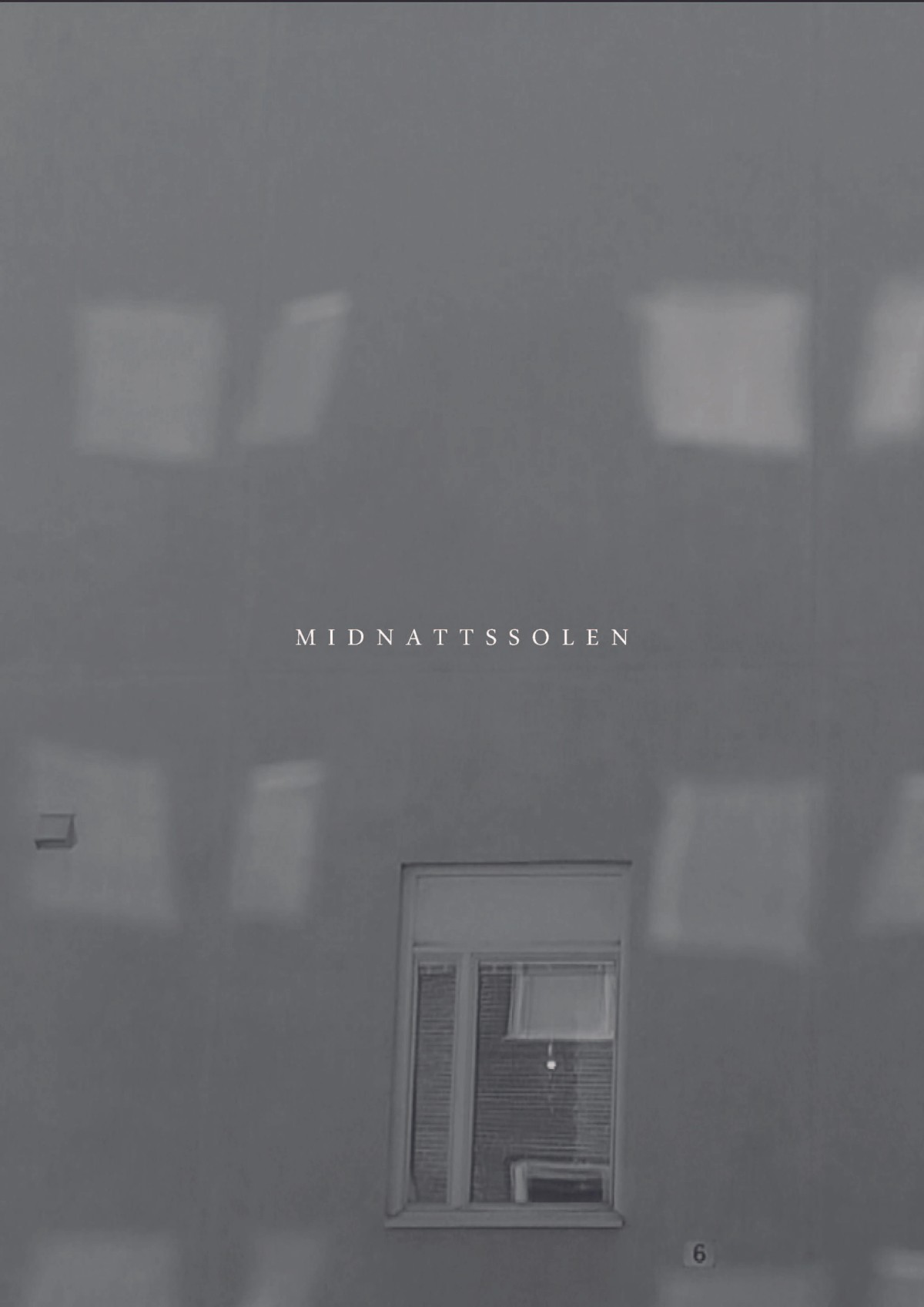
MIDNATSSOLEN
The notion of Kiruna’s peculiar time is charmingly depicted in the film Midnatssolen, which investigates the eerie coexistence of natural and artificial light in the town, the latter becoming the dimension of intimate, private time beyond the natural clock. We observe the film figuratively ending directly into the Midnatssolen, this capturing tunnel of flashing light, that may recall the widely embraced unique nature of this site, as well as hopes and fears for its mysterious future.
By: Rebecca Buus, Sissel Højmark Esbensen and Andreas Hede Dahlgaard
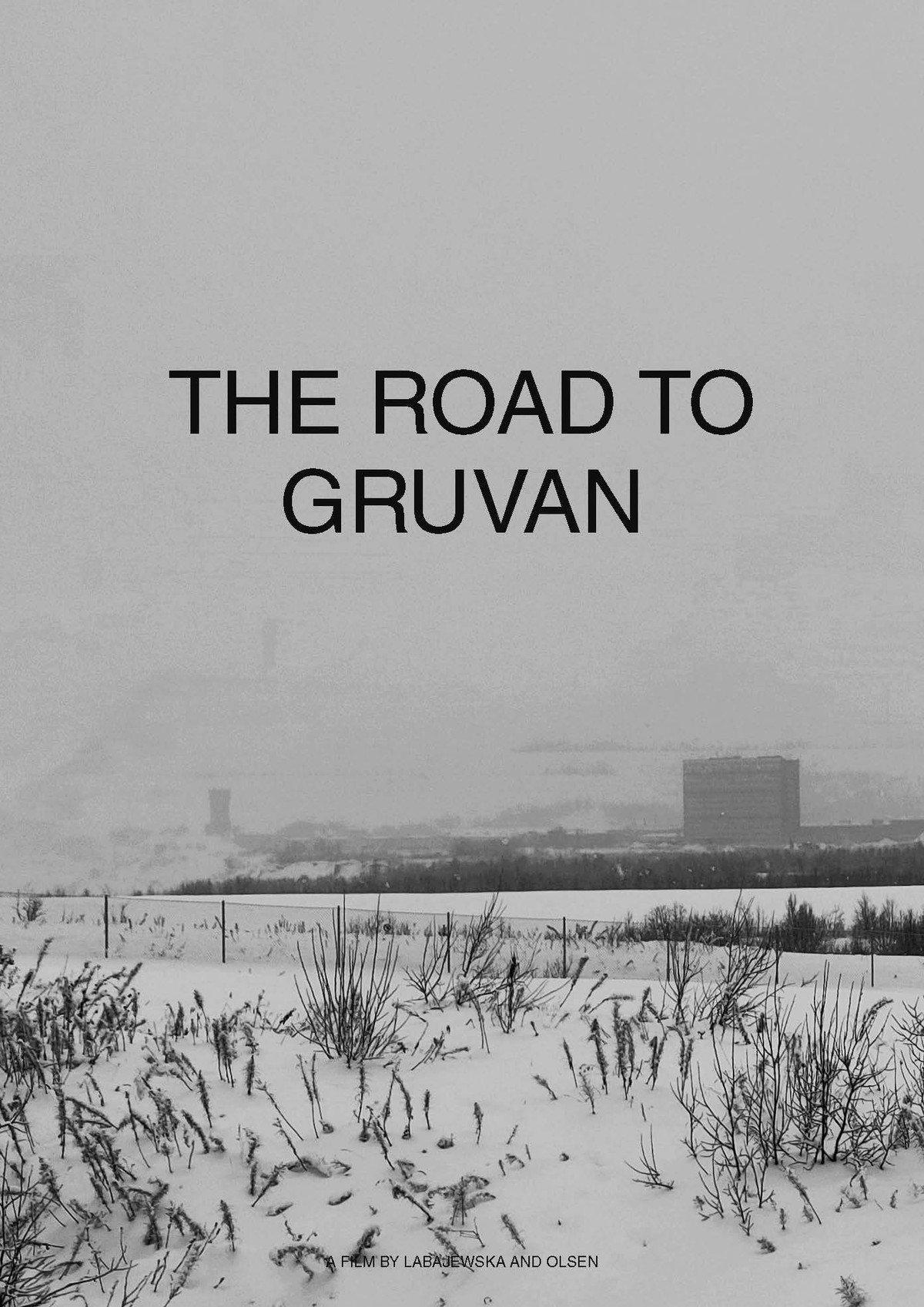
THE ROAD TO GRUVAN
The authors of The Road to Gruvan ultimately decided to illustrate the way to the LKAB mine from the commuting workers’ point of view, precisely by hitchhiking and getting directly involved in their routine. In the end, they never made it to the mine, which was initially the primary goal, but became somehow less relevant throughout their research. The physical presence of the filmmakers and characters becomes tangible in the narrow space of the car’s interior, a shared intimate landscape of interaction.
By: Mathilde Labajewska Madsen and Anna Katrine Balch Olsen
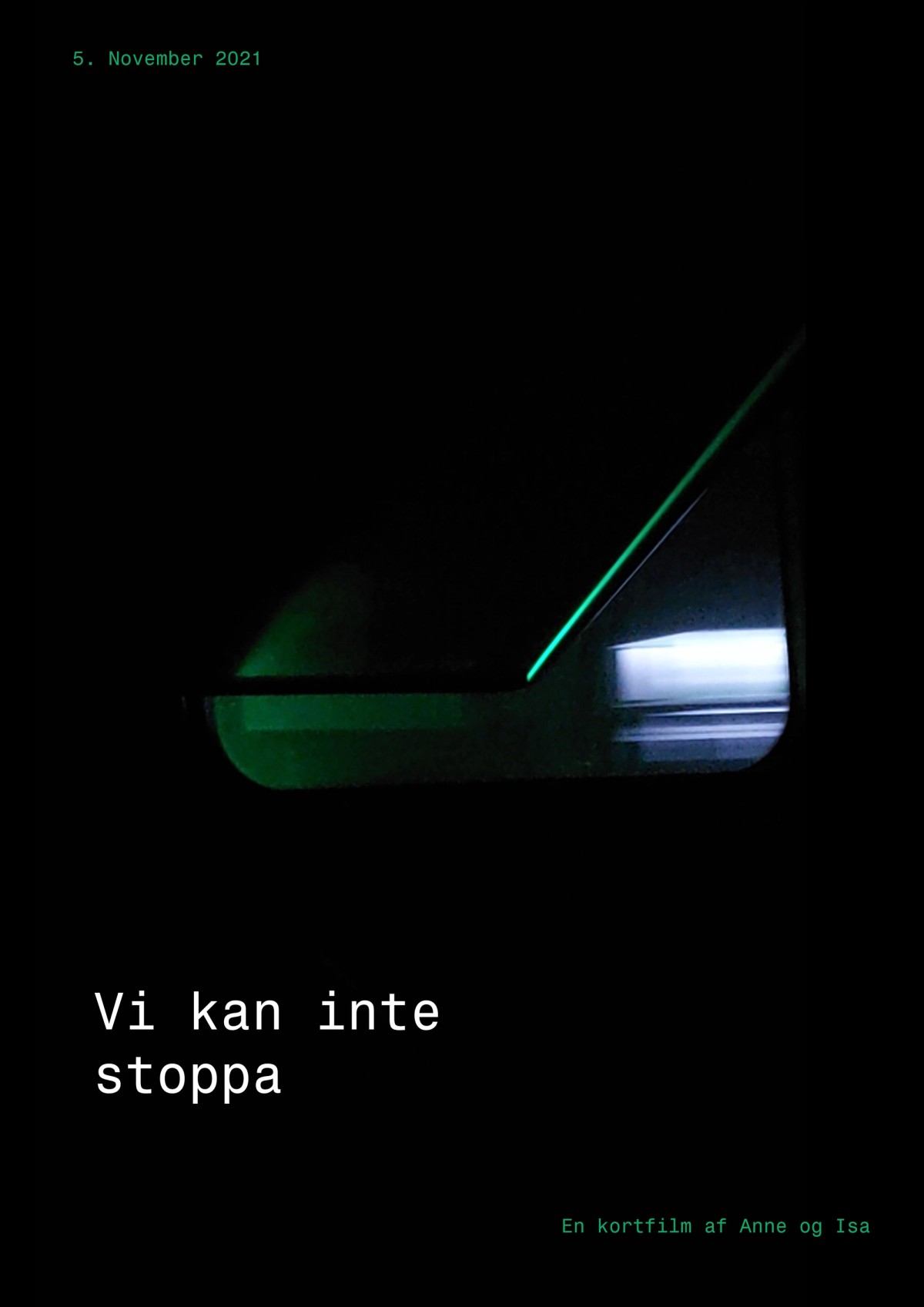
VI KAN INTE STOPPA
In Vi kan inte stoppa, the camera slides along the walls of a family house, into the layerings of the ground, the surface and materiality of the earth ending up eating the entire frame. The depth of the soil and the common notion of the ground level as a two-dimensional space are questioned, in a syncopated montage of intimate memories, mundane villas and uncanny zooms into the unknown underground.
By: Anne Silberg Thomsen and Isabel Frølund Jennings
SPÅN
Materiality, noise, entropy and gravity are at the core of the film Spån, entirely set and shot in the LKAB workshop, which dives into the infinitely small components of the machinery and tools for extraction. The rising climax of chaos in sound and images of the interior of the workshop culminates in a calm, establishing shot of the building from the outside, looking surprisingly small-scaled in relation to the material tumult it contains.
By: Asger Berthelsen and Thelma Urd Slaatto
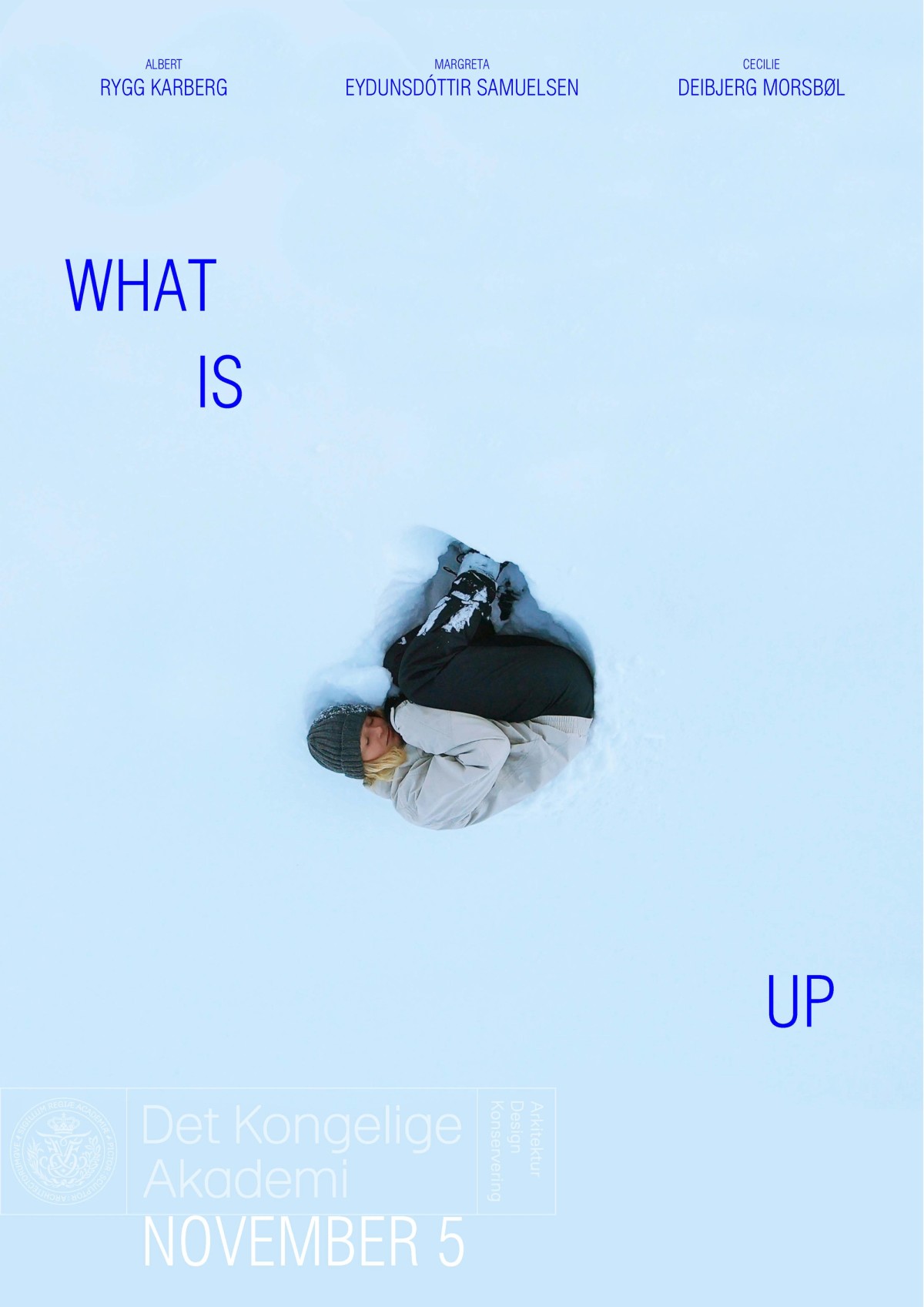
WHAT IS UP?
The arctic landscape of Kiruna brings us to challenge our traditional understanding of topography. The film What is up? plays with the theme of orientation, equilibrium and vertigo that comes with wandering around Kiruna. The filmmakers act as performers, parsing and measuring space and fictioning gravity.
By: Cecilie Deibjerg Morsbøl, Albert Rygg Karberg and Margreta Eydunsdóttir Samuelsen
LIQUIDUS
Movement sublimates and acquires a selfless perspective in Liquidus, a lyrical essay that transcends direct narration and depicts casual epiphanies of beauty and harmony, creating a continuity from the minerary imagery to construction details, echoing with idyllic, off scale natural scenarios, almost dreaming of what Timothy Morton defined a “zero landscape of intimacy”.
By: Amalie Berg Lang and Sarah Aarhus Burgdorf Pedersen
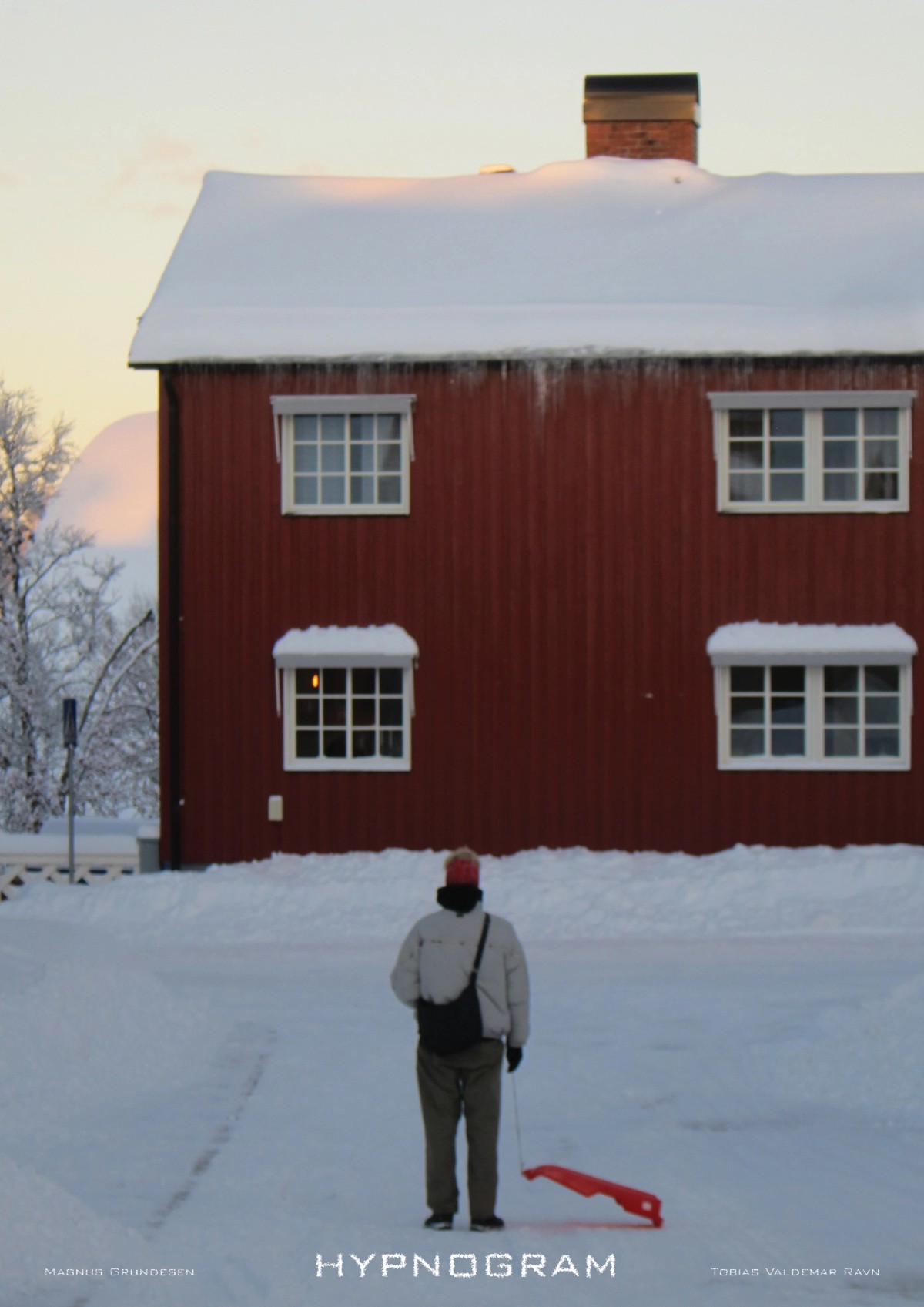
HYPNOGRAM
Surreal tones are magnified in Hypnogram, a thrilling oneiric picture that discloses and celebrates the eerie and supernatural scent of Kiruna. The iconic wooden church designed by Gustaf Wickman plays as key character to the Hypnogram fiction, which ultimately resurrects and personifies the golden statues that embody the temperaments, projecting them onto an infinite, abstract blue screen.
By: Magnus Lyngby Grundesen and Tobias Valdemar Ravn
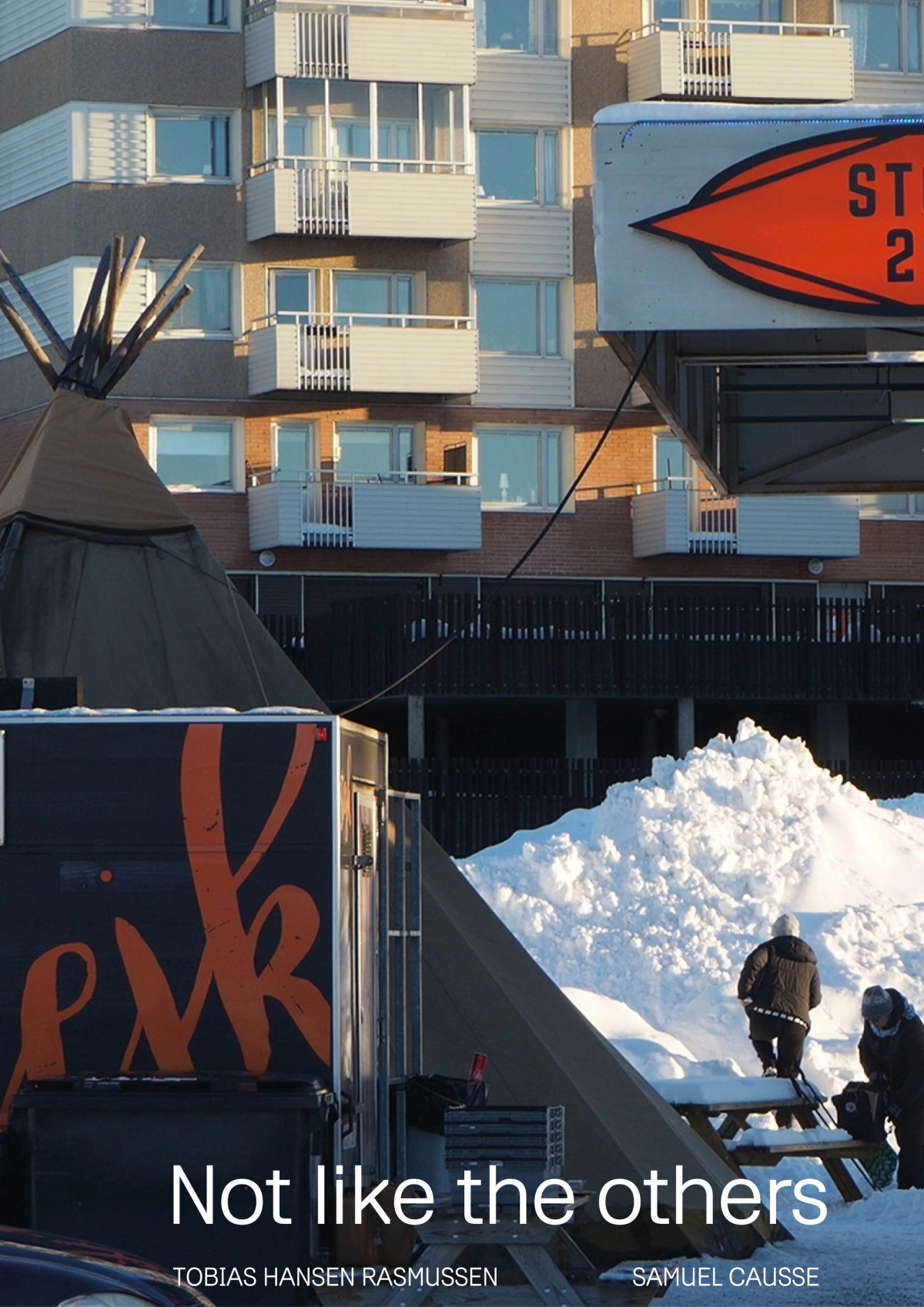
NOT LIKE THE OTHERS
In Not like the others, a cold and distant visual review of pubs, restaurants and eateries in search of intimacy and conviviality culminates in an unexpected location, a traditional tipi tent modestly set between a food truck and a gas station. Was this the place? This surreal urban collage reminds of a sublime sequence in Wings of Desire, when the angel protagonist Bruno Ganz finally realises he has become human, in a magical setting far from any celebrated landmark, an imbiss, a simple food truck situated in one of those urban voids that are so dear to Wim Wenders.
By: Tobias Hansen Rasmussen and Samuel Causse
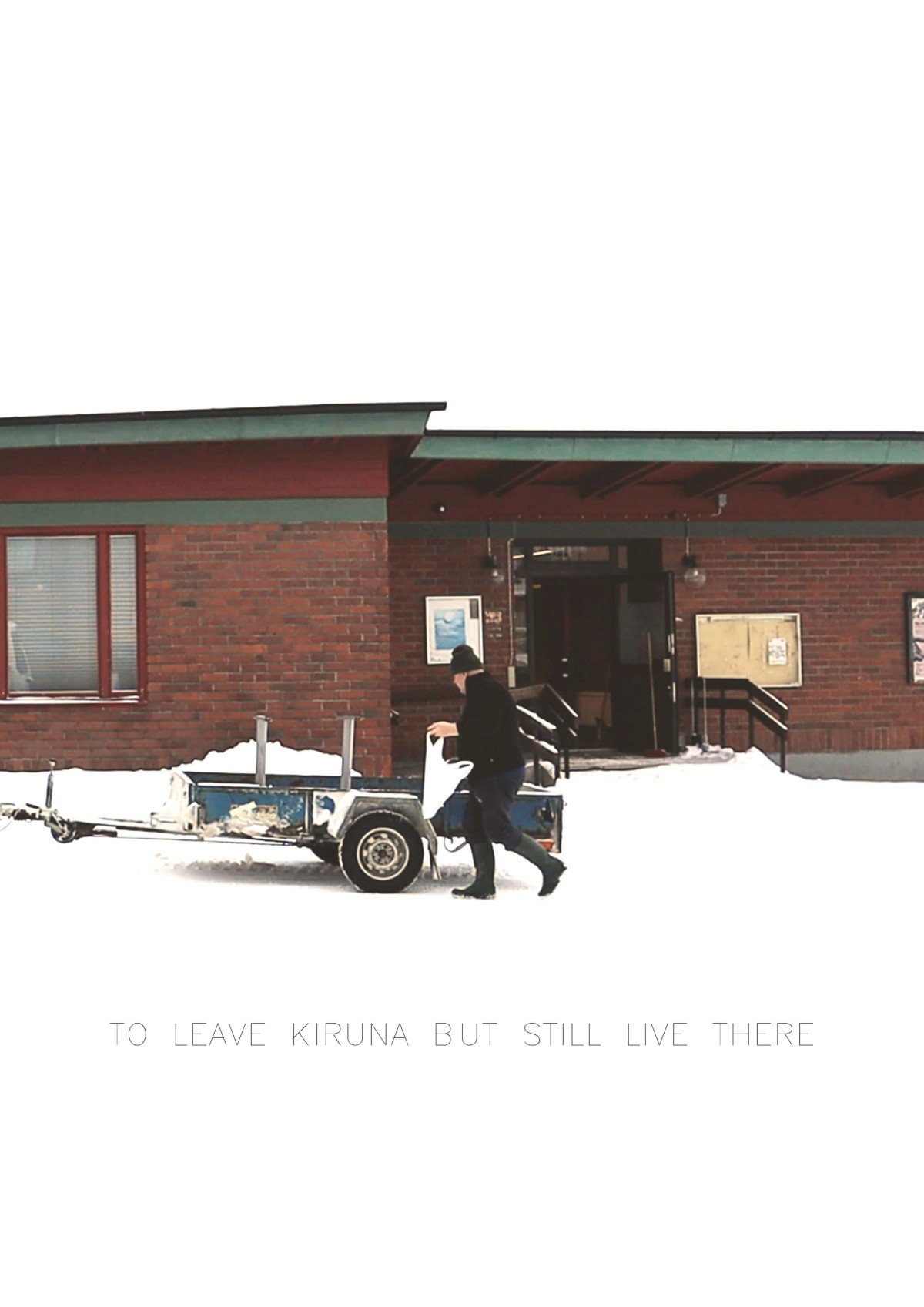
TO LEAVE KIRUNA BUT STILL LIVE THERE
The old Dan who is moving his belongings out of his former office becomes the protagonist of the film and a metaphor for the city on the move. He does not accept any help with the move, yet he allows himself to be filmed, thus opening up with a discrete and emotional testimony on today’s life in Kiruna.
By: Caroline Haudrum Axelsen and Lærke Bjerg Poulsen
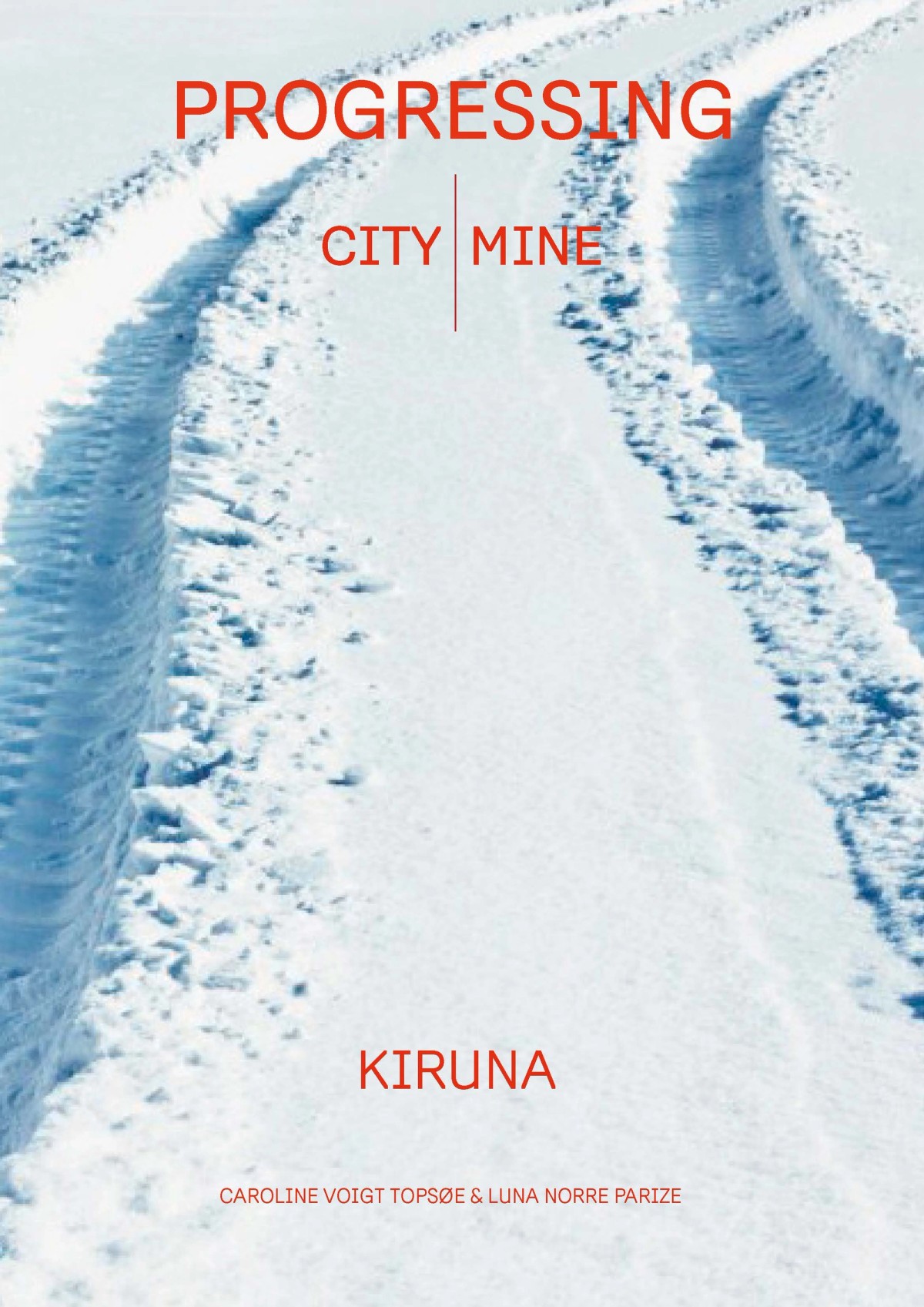
PROGRESSING
Set on the way from the town to the mine, this short film gets caught into a dilated contemplation of the snowy ground of Kiruna, and the many characters and machines that engage with it. The path is depicted as a sequence of daily portraits, where pets, cars, trucks and snow ploughs are personified.
By: Luna Norre Parize and Caroline Voigt Topsøe
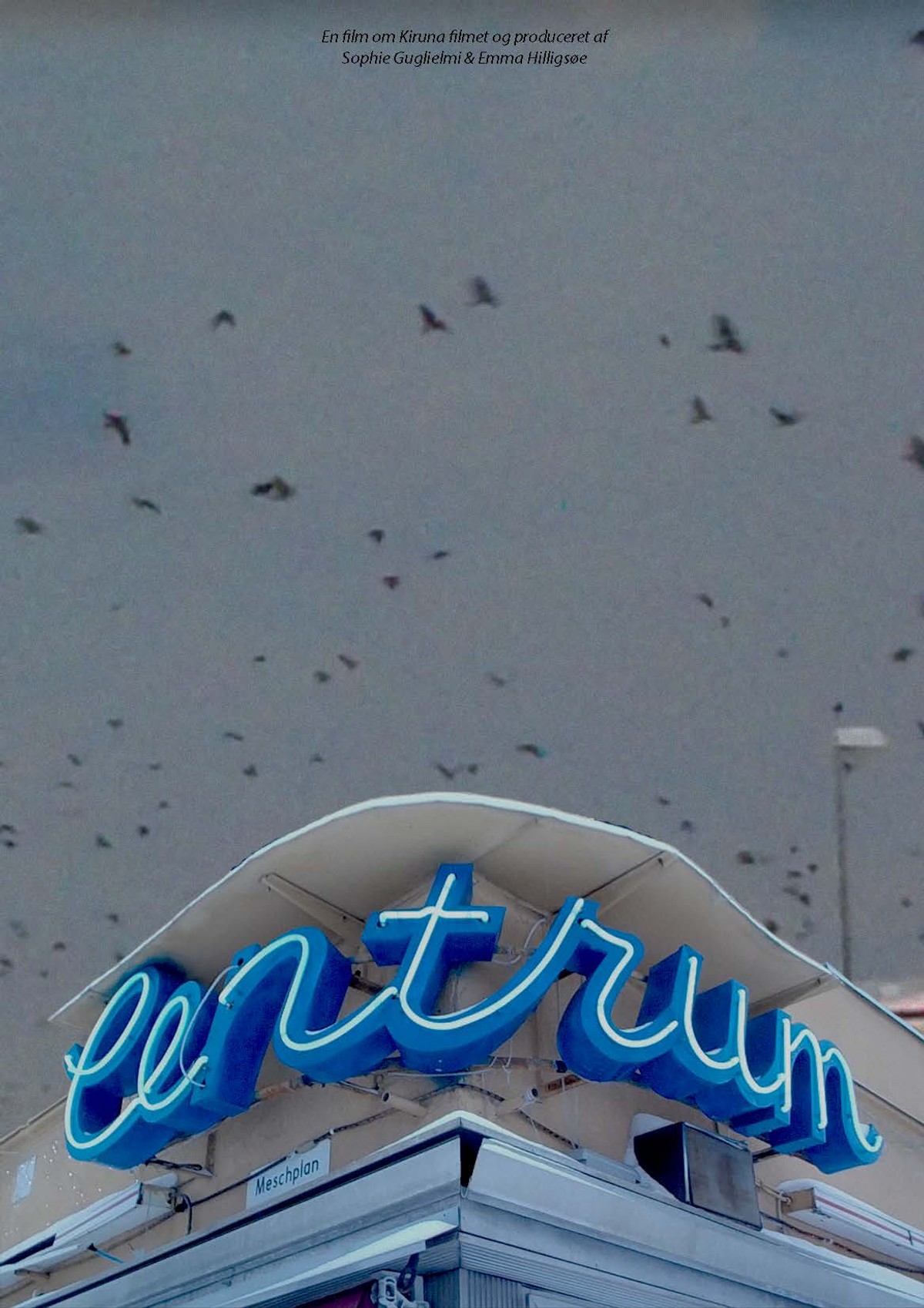
CENTRUM
Centrum seeks to evoke the feeling and imagery of the city centre and the communitarian spaces and gestures built around it. What will the next centrum be like? An interviewed lady becomes the narrator for the community. As she puts it, they are not afraid of change, but it will take time for them to envision and (re)create the vitality for the new city centre to come.