22 min
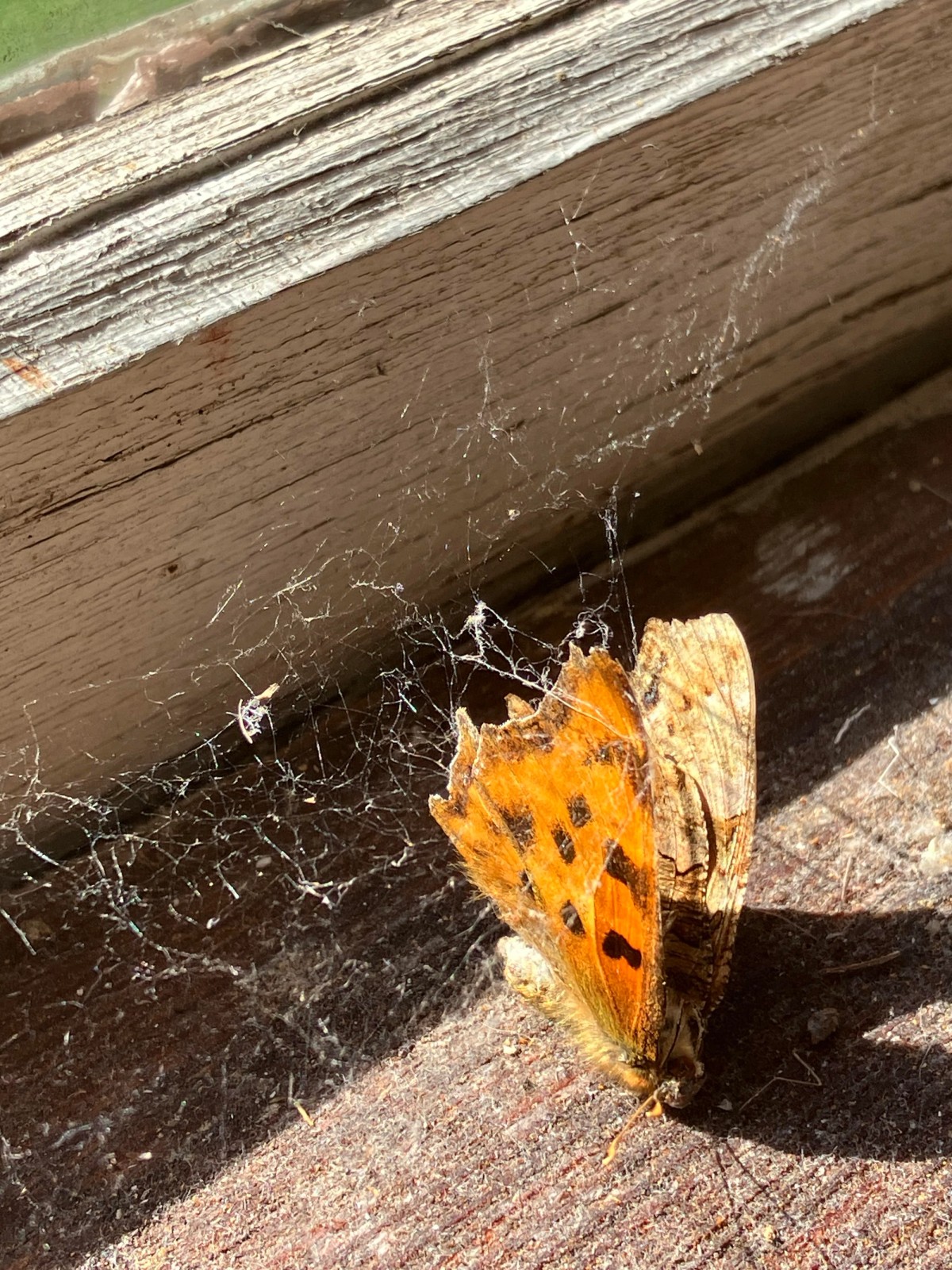
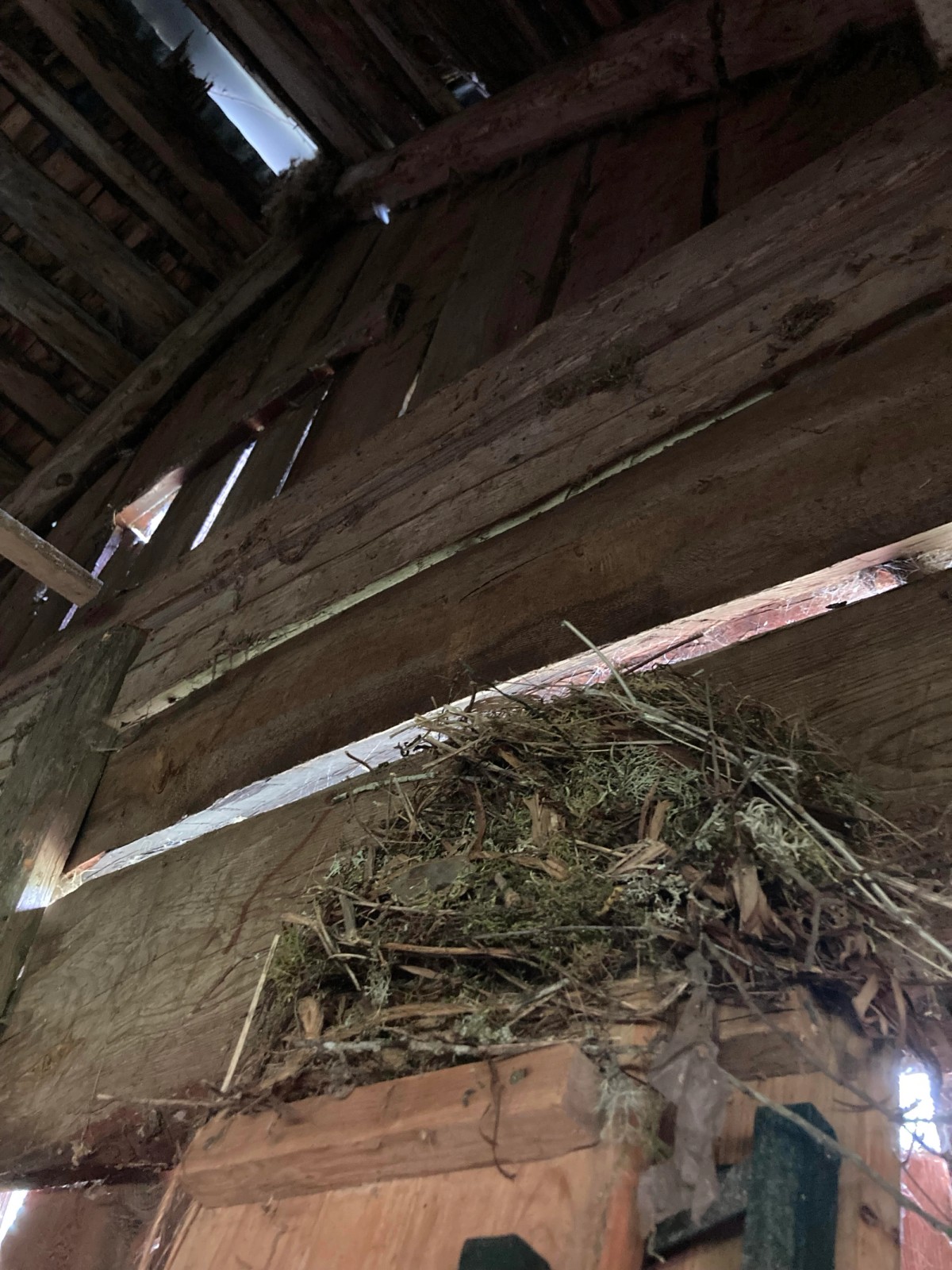
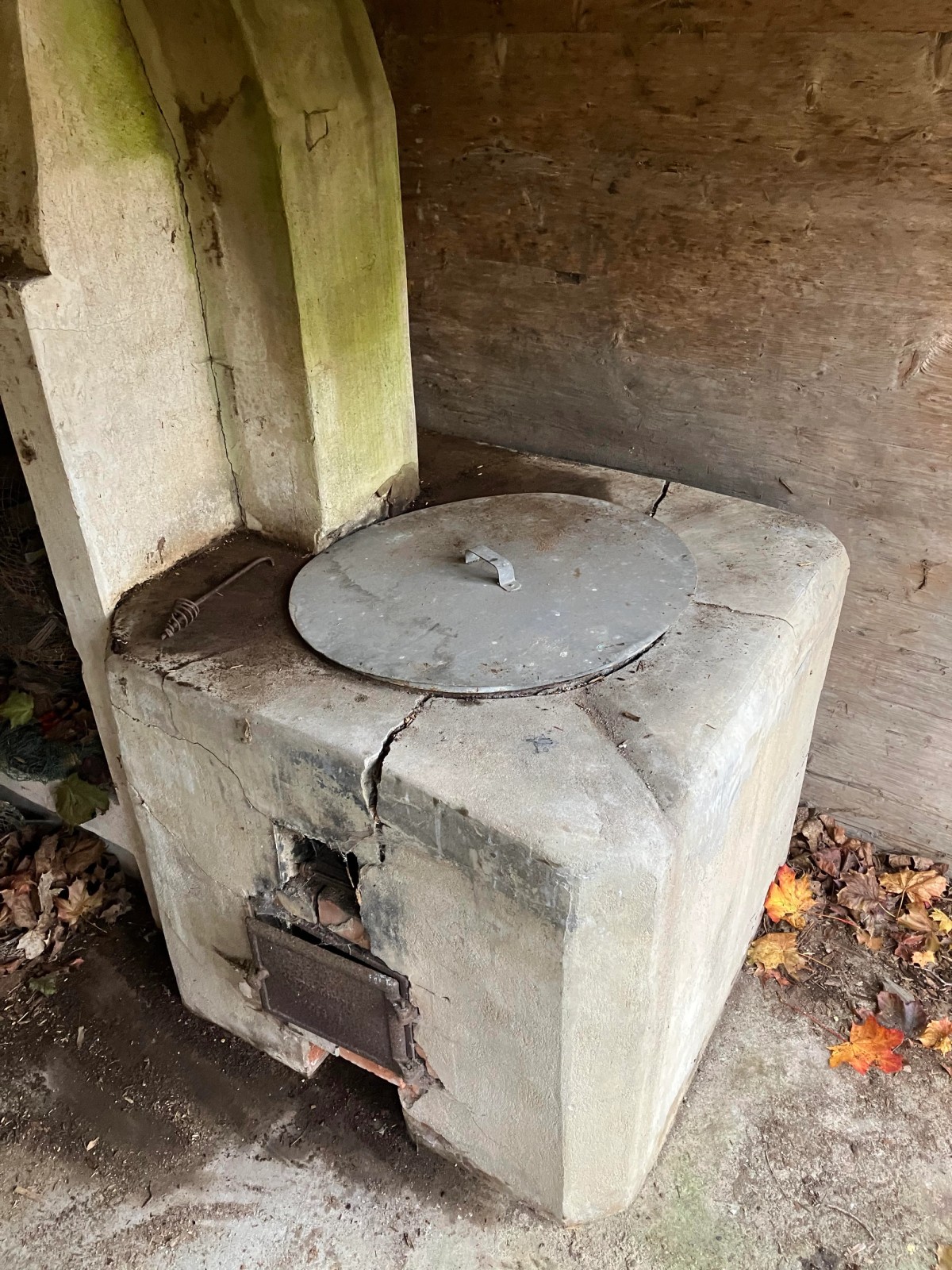
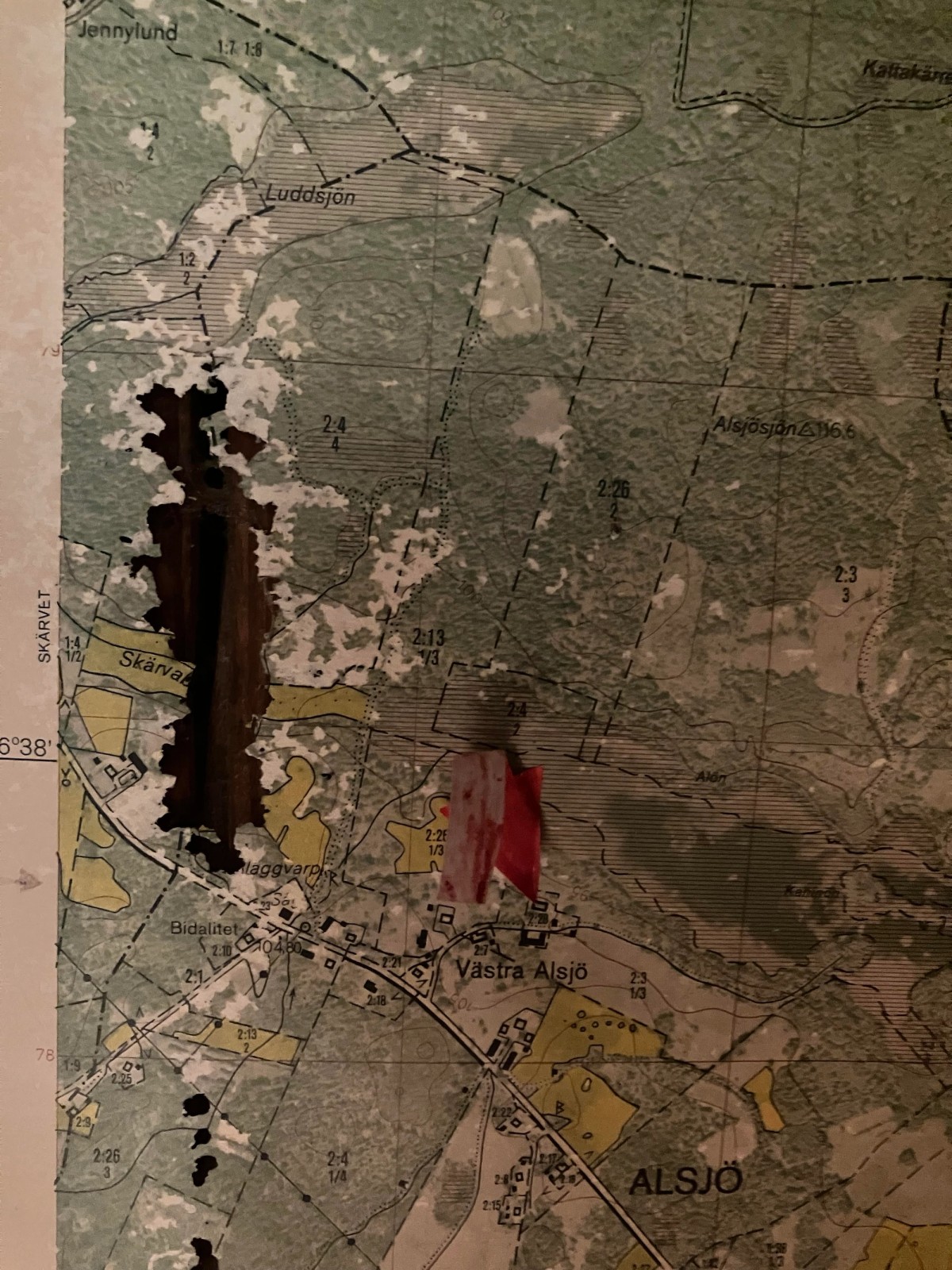
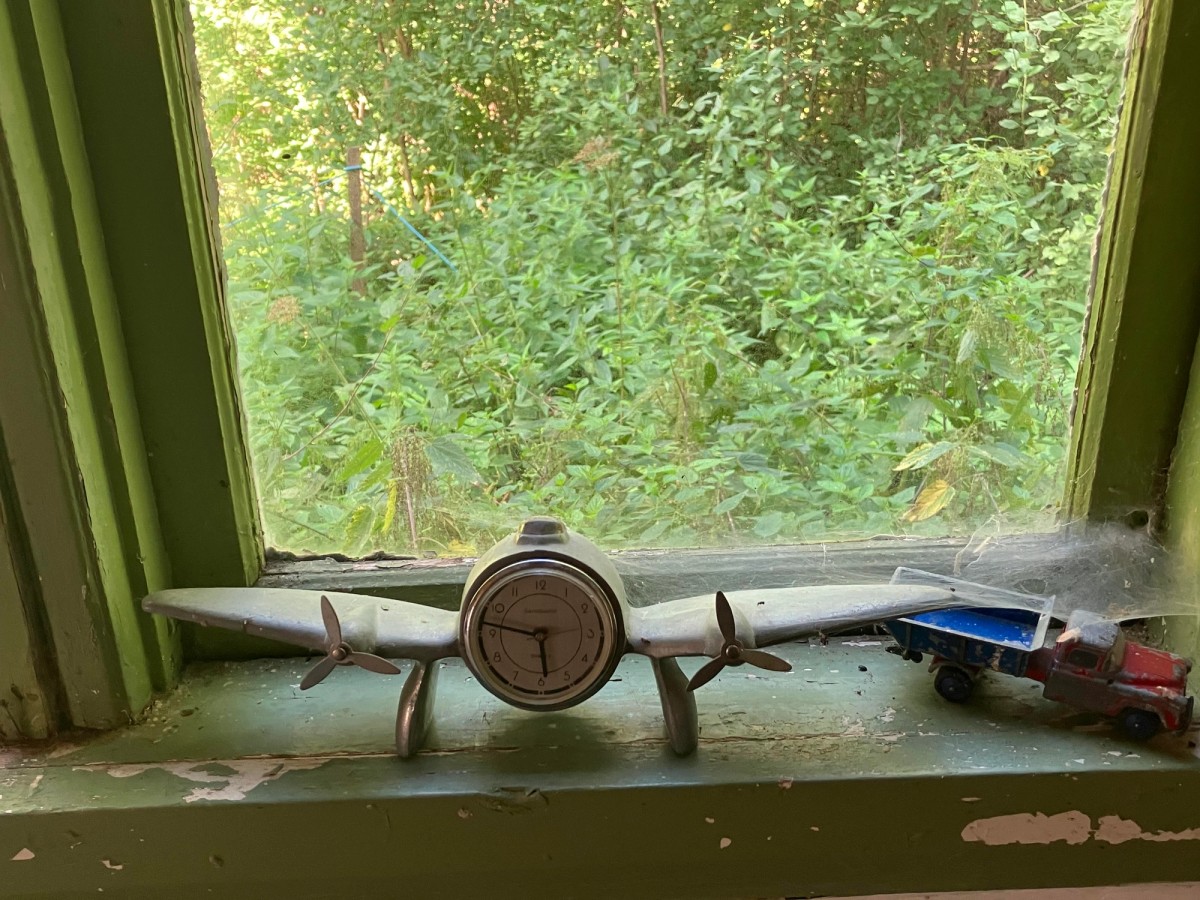
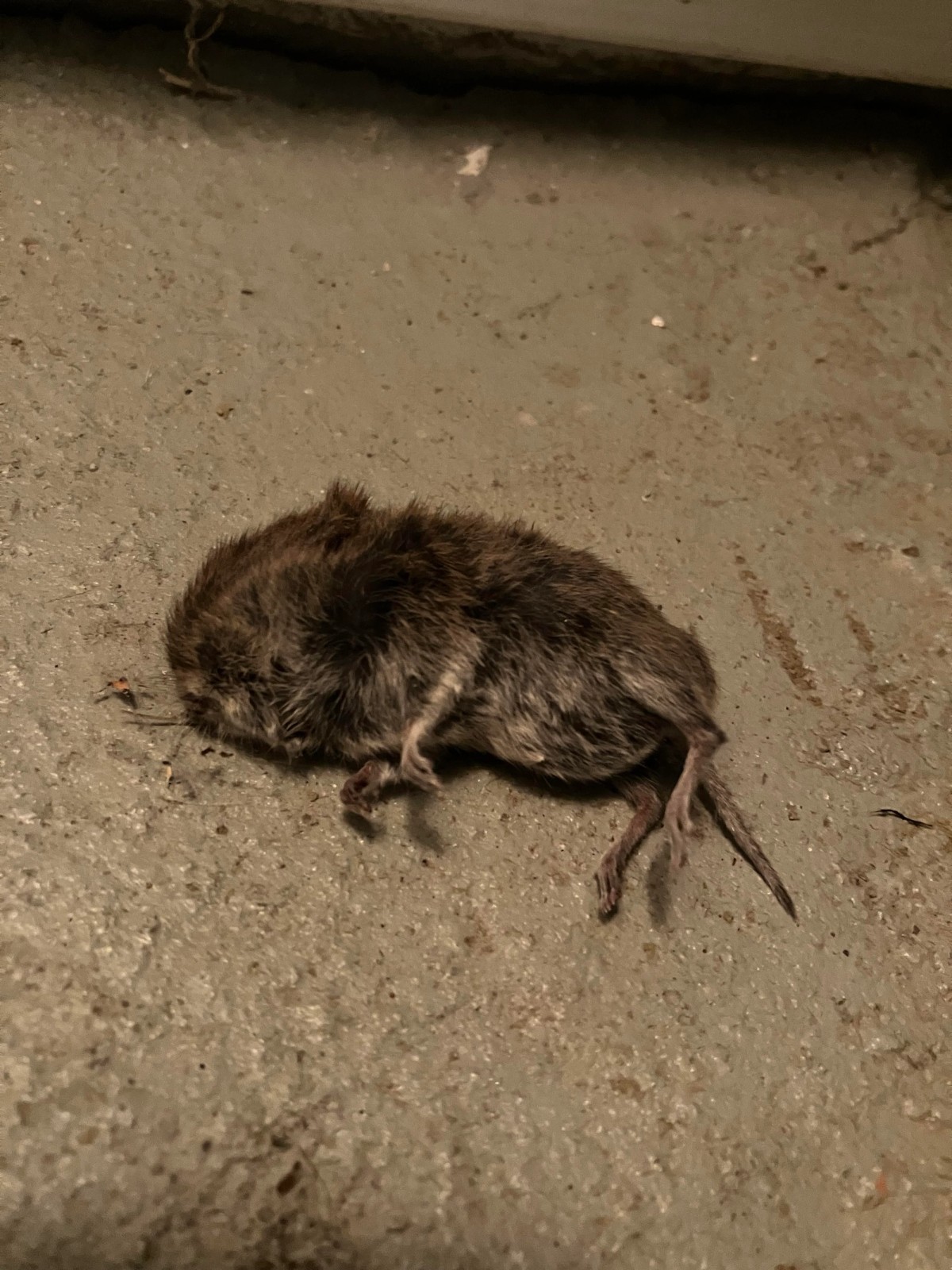
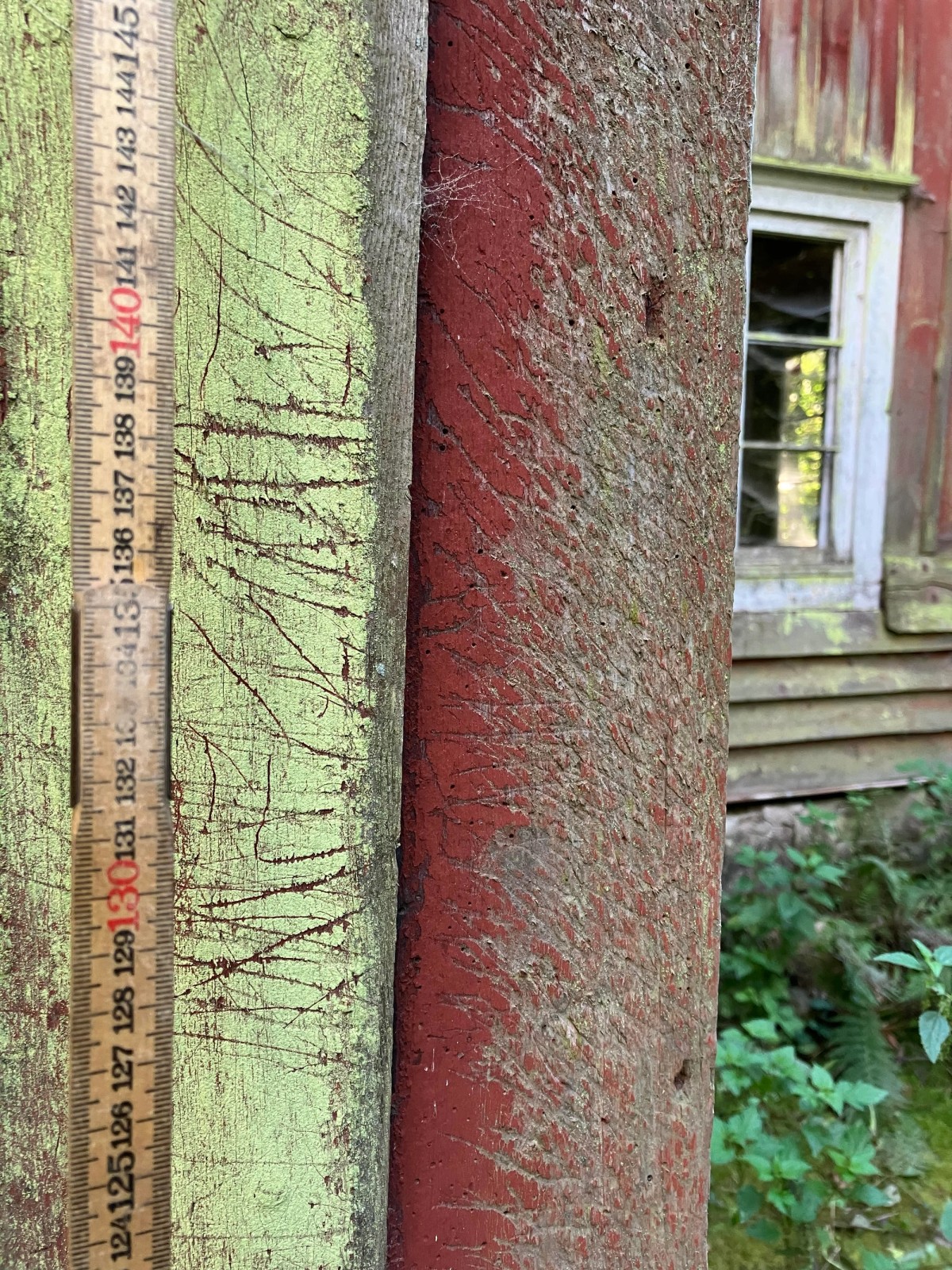
This article is about rebuilding cohabitations between humans and many other lifeforms – plants, mushrooms, and on this occasion particularly focusing on animals. These could be a few small mammals like mice and bats, various birds, say owls, quite many insects and maybe even a few arachnids, mostly spiders [ill. 1, 2]. More on the animals later. Many people in the Nordic countries, and indeed elsewhere, have had the privilege of visiting or staying in an old wooden summer house, or better, a house, which at some point became a summer house but used to be the permanent dwelling of someone, a family perhaps, who knows. Such a house would carry traces of its long history into the present, showing signs of past human ways of life that no longer unfold or occur and are maybe even forgotten. Who has skills in using a wash copper [ill. 3] these days?
In its transformation into a summer house, the building of the past has been deterritorialized to use one of the most well-known philosophical concepts of Gilles Deleuze. Once, the house richly reflected how it was the homey territory of its dwellers until one day all the marks of this territory and the manifestations of this lived territorialisation were indeed still there, but their continued inhabitation now suddenly absent with the former inhabitants gone. In a sense, on this event the territorial signs and expressions were set free from the past. Much of what the house would have to offer through its material manifestation could be repurposed by humans, say, as a new summerhouse territory. Deleuze would say reterritorialized as a summer house. Yet this new purpose would not fully match the purposes of the past. For example, the temporality of the new purpose would be very different as suddenly the house would maybe only be inhabited a few weeks during the summer or in weekends now and then. This would for long periods of time free the house from present human purposes, opening it to be inhabited by new dwellers, other animals than humans together with many other lifeforms.
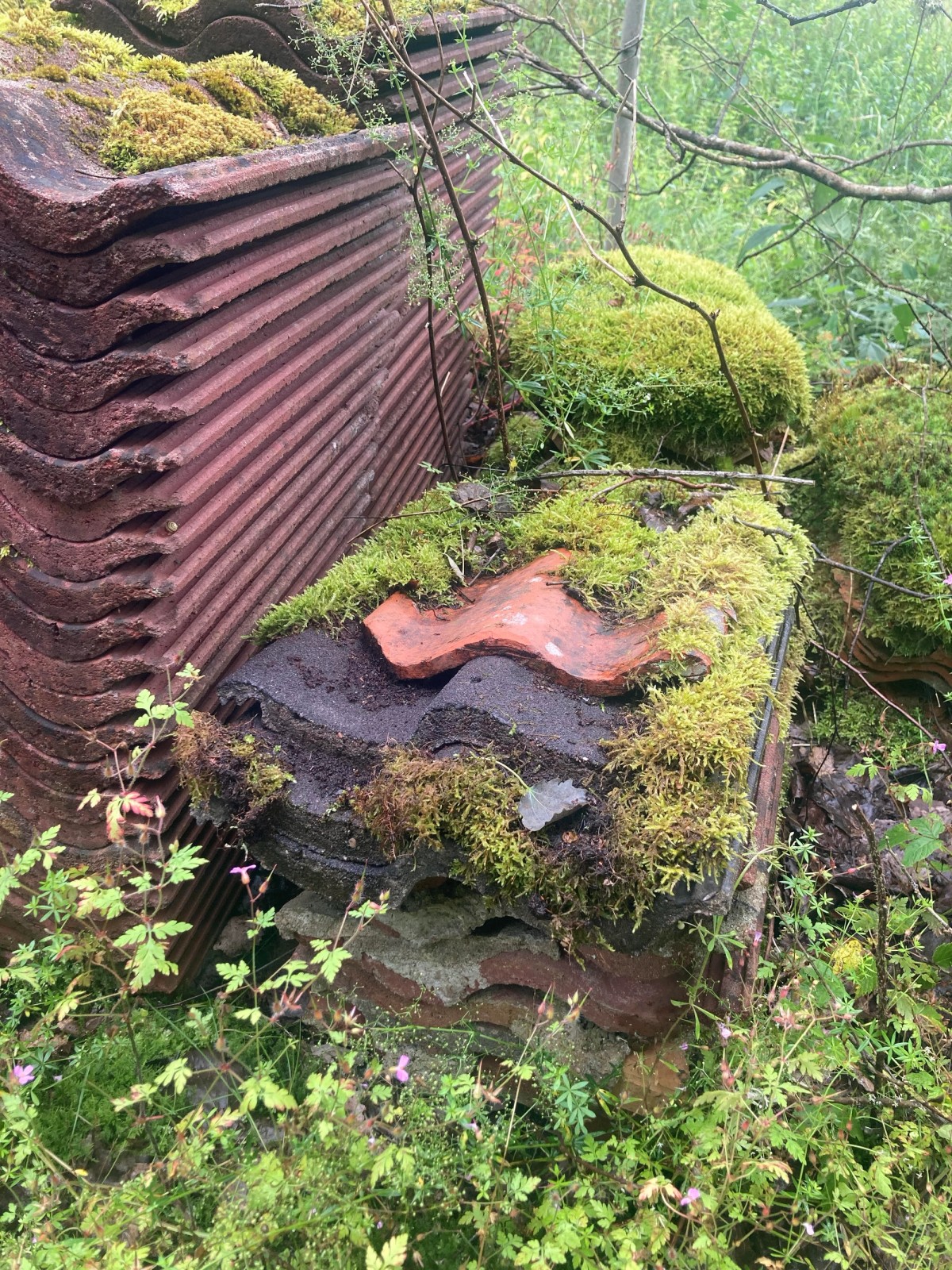
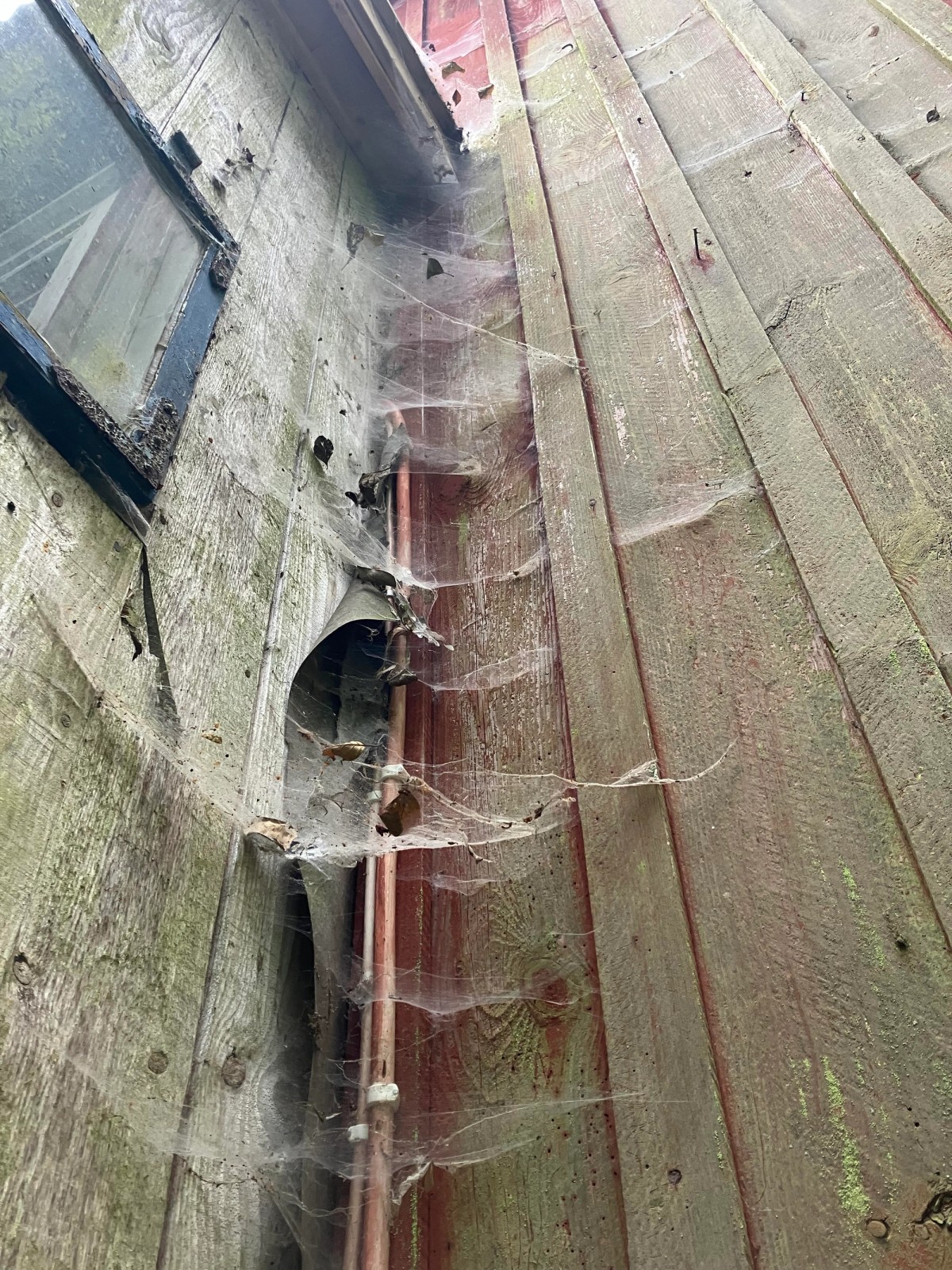
Once indoor, the visitor or summer guest to the house would meet dead and living insects, plenty of spider web, a complex ‘smellscape’ of odors, and during evening and night maybe the light noises of an animal crossing over the attic or rummaging around inside a hollow wooden wall [ill. 4]. A few shelfs in hardware stores testify to the multiplicity of intruders: ants, wasps, mice, etc., along with strategies like poisoning or traps – popular remedies to fight and get rid of unwanted inhabitants who would have the audacity to challenge the undivided privilege of the house as human territory even in periods when not in use by these humans.
The concern here is to support efforts to turn this human attitude on its head and investigate how any house design could learn from what deterritorialised old wooden houses are able to do in terms of re-building for multi-species dwelling. The article thus considers a way for how to think and architecturally engage in the co-habitation of many lifeforms, including humans- how to develop an architecture that ‘comes after’ through the continued redesigning of transformations of lifeform relations, architecturally negotiating clashes of behavior into new behaviors. Not only that: the article will eventually proceed into an eccentric speculation on ideas of how a house could itself eventually become a new lifeform through ongoing redesign.
LEAVING THE CENTER TO REBUILD FROM THE PERIPHERY
Having jettisoned the human privilege of where and how to dwell on this planet, the main concern of this article is to consider some suggestions for human inhabitation in the periphery of other life forms. This is not to focus on human dwelling in areas sparsely inhabited by any lifeforms whatsoever, but to thoroughly engage in ways that other lifeforms dwell in any given place. All this in order to rebuild ways to entangle human dwelling with how other lifeforms dwell – and further to contribute to an emerging field of architectural theory dealing with how to rebuild, stimulate and increase the livability of, and symbiosis with a plurality of lifeforms. The main motive is to support efforts to push human dwellers on this planet out of their taken-for-granted self-privileging in terms of considering themselves the most important dwellers of the planet. How to abandon privilege and begin to explore more peripheral approaches to finding dwelling on planet Earth? Instead of directly appealing or exhorting to give up the privilege, the strategy considered here is one of replacing direct verbal appeal with architectural manifestation. How rich a multi-species environment can a house be? How rich a multi-species environment in terms of symbiosis formation and species attunement can a house be? As a way into these questions, at first the concept of ontological blur is adopted.
The concern is to support human aspirations to move from center-stage attitudes to niche-inhabitation attitudes. A few ideas for concrete architectural manifestations could be steps on the way towards dealing with this challenge. Their relative performative openness in built form, as built realizations, would point beyond a mere expression of ideas. But then again, that is the ontological promise of any building. Beyond this promise, can architecture have the creation of sites that stimulate ontological bluras a programmatic purpose? The concept of ‘ontological blur’ as proposed by Eduardo Kohn suggests that “[one] of the implications of adopting the viewpoints of other kinds of beings is that knowing others requires inhabiting their different umwelts. When one does so, attributes and dispositions become dislodged from the bodies that produce them and ontological boundaries become blurred.” Ontological blur suggests a heterogeneous eco zone, “a shared constellation of attributes and dispositions—a sort of shared transspecies habitus…” in which anything between two and a multiplicity of Umwelts are involved in a patchy meeting. Kohn focusses on two ‘zones’ of ontological blur, one between the umwelts of what he terms ‘the thinking forest’ and then certain dogs with relations to humans, and the other between these same dogs dreaming in their sleep, and humans interpreting these dreams.
To Kohn, the dreaming dogs provide a zone of ontological blur between the umwelts of humans and the forest, offering humans insights into occurrences in the forest umwelt that only become accessible to them via the sleeping dogs dreaming. An ‘Umwelt’, in turn, as coined by biologist Jakob von Uexküll, is the perceived milieu (from French mi-lieu – ‘mid-place’) of a particular lifeform, be it a bacteria or the orchestrated life of an active anthill or an old ‘thinking’ forest. An Umwelt harbors a subjectivation particular to it and to which it relates as the Umwelt of that subjectivation. The two, subjectivation and Umwelt, are engaged with each other in a co-constitutive reciprocal relation of parallel becoming. One does not exist without the other. Whatever ontological reality a patchy meeting between Umwelts will have, it will be inaccessible to observation even for the involved. Yet through mutual attunement of Umwelts, something might happen – a serendipitous misunderstanding, an ‘involuntary momentum’. Until now, my interest has focused on patchy or overlapping Umwelts, suggesting that such overlaps might create ontological blur, “…in which ecological niches and the milieus that contour the gaps between bodies teem with energies, affects, and propositions.”
ATTUNEMENT
Within the ontological blur, at patchy intersections of Umwelts, attunement becomes important. Vinciane Despret relates attunement primarily to animal-humanimal relationships, as exemplified through her accounts of Clever Hans the horse mathematician, or Alex, the grey parrot from Gabon. For Despret, inter-species attunement occurs in connections of affected and affecting bodies, leading to an increased mutual ability to coordinate and co-create each other’s bodily signals in a process of co-becoming. This co-becoming is achievable only through engagement that is repeated, reciprocal, and attentive. Attunement therefore implies a move away from mere ontological flatness as it suggests a sense of ‘meeting’ between othersor strangers based on a kind of inter-species mutual ethical openness. It involves being with and thinking with other beings through embodied communication, thereby learning to be open and to be affected by the other. Furthermore, it suggests a dynamic exchange of intentional and unintentional bodily expressions and signals as two different beings reciprocally attune to each other. In relations of attunement, beings attempt to tune into each other’s way of perceiving the world, that is, to their respective Umwelts. This engagement connects the Umwelts of the involved parties across profound differences. This connecting depends on ontological blur.
Attunement offers connection across different ways of representing and perceiving the world, and it allows new meanings to emerge within the blur. It demands a mutual curious patience, a kind of mutual tropism happening between attuning parties, a waiting for one to relate to the other, perceived as a stranger, which with time may evoke a voluntary commitment to the relation. The feeling of the stranger reciprocating this commitment is very important. A certain duration is needed for new meaningsto crystalize into ‘understandings’ shared by the attuning bodies. To Despret, these new understandings are in fact creative misunderstandings – involuntary creative acts that can adopt new meanings shared by the attuning parties, i.e. the co-creation of new meaning. Attunement happens prior to a specific event of ‘misunderstanding,’ as the condition for it to happen. “The miracle of attunement,” therefore, is a precursor to this co-creation. Ontological blur, in turn, is what offers to the mutual ability to attune a challenge worthy of what it can do – and what is that? It is to stimulate moments of co-creative thinking. In a sense, attunement ultimately offers the world a certain mode of situating thinking.
The concept of attunement prepares us to specify the initial question: Is it possible to create an architecture able to frame processes of attunement between umwelts? Such an architecture would have the ability to make beings ‘interesting’ to other beings, making them co-present as situated in ontological now-ness. The hypothesis at work here suggests that patchy Umwelt overlaps can be preconditions for ontological blur zones, which in turn might precondition attunement. To increase patchiness therefore seems to stimulate an increase in relations of attunement. Insofar as an architecture can form a patch, can architecture stimulate an increase in patchiness? Potentials for rebuilding is sought in affirmative responses to this question.
Can a conceptual scaffolding around attunement processes guide the creative material composition of an architecture which through multi-species inhabitation will have the ability to co-articulate its own reciprocally related Umwelt and subjectivation? This suggest that what here amounts to an Umwelt can be thought of as housing a stabilized vector of becoming, a subjectivation. This radical suggestion – a house as a subject-Umwelt-reciprocity – entertains the thought that a multi-species architecture can become a lifeform of its own. A multi-species co-housing is in fact much more likely to ‘merely’ be a Leibnizian ‘pond’, cf. §67 of the Monadology, where Leibniz writes that “Every bit of matter can be conceived as a garden full of plants or a pond full of fish. But each branch of the plant, each drop of its bodily fluids, is also such a garden or such a pond” …or such a patch. In line with Chunglin Kwa’s Leibniz reading, there are ponds in an organism as much as there are organisms in a pond. The pond stage of co-habitation is important as it might provide an ontological blur zone, mediating relations of attunement. The web of relations between the bodies in the pond needs to thicken for the pond to become a body, a subject-Umwelt. This happens via attunement. Pond, ontological blur, attunement, subject-Umwelt.
The idea of a multispecies architecture as a lifeform in its own right implies also the creation of an architecture that is not primarily preoccupied with establishing a secure and protected environment for humans as preferred mode of dwelling. The obsessive idea at work here suggests another mode of dwelling than one privileging human dwelling: one which instead is concerned with the co-habitation of many lifeforms — certainly more than just one. This suggests a mode of dwelling, which is no longer firstly about human security, comfort, advantage, and energy accumulation but about attuning: architecture as lifeform creation and attuning as a mode of dwelling.
NUMBNESS
Engaging this idea more thoroughly, in reality, holds the promise of offering an alternative mode of dwelling to the one preoccupied with interiority—the inhabitation of comfortable closed spheres cherished by humans. This protective mode of dwelling has been characterized by Beatriz Colomina & Mark Wigley as anesthetic design, causing numbing of dwellers. The fact that people in the industrialized parts of the world live approx. 90% of their lifetime indoors testifies to the potential scope of the problem of numbness in architecture. Its anesthetic effects are of course nothing like the massive opioid crisis. Much rather, the crisis following from numbing interiors stems from having provided the spatial frame for human exceptionalism. The dramatic expansion by sheer volume of insular interiority-based dwelling over the past, say, 175 years, has made it one of the dominating models for inhabiting planet Earth. This model for inhabiting the industrialized parts of planet Earth, as it were, are thus not all that different from what is regularly suggested in fictions of strictly interior-based human inhabitations of other celestial spheres such as moons and other planets.
Bruno Latour points to the performative role of maps and mapping offering points of view from the outside as playing a central role in the detaching of humans from the earth as soil and planet, alongside an ideology of modern progress based on control and mastering. Next to these actants—maps and ideologies of Modernity—the claim here is that prevailing modes of human dwelling, promoted rather than challenged by architecture, is adding to the still increasing urgency of “landing on Earth.” Not only the Vitruvian Man is caught in geometry; so are the affluent middle classes of humans on planet Earth. Rather than pursuing paths of entanglement with other lifeforms as a mode of dwelling, humans have increasingly preferred isolated and self-supporting bodily prostheses as the basic mode of dwelling—heterotopian body-housing exoskeletons offering protective shelter with implications even more important than the cultivation of fire. The surplus energy, protection and safe space provided by houses has led to an extreme deterritorialization and subsequent freeing-up of capacities of the human brain — indeed the transformation of such capacities via the brain’s meta-capacity for plasticity.
Exceptionalist modes of thinking are stimulated by disentangling or ‘excepting’ interiorities. It took environmental numbness to get there. This numbness has had enormous outdoor consequences. ‘Outdoor’ is in fact more of a side effect of ‘indoor’ than vice versa, although this dichotomy also forms an, albeit increasingly asymmetrical co-articulation. The materializations of the consequences of a historical human inclination towards interiors have largely followed patterns of projections formed within ‘protective’ interiors, which has projected new interiors into the exterior – that is, into an ‘un-protective’ exteriority given by interiority. As modes of thinking, projection and exception are intimately related.
For too long, architecture has been preoccupied with a mode of dwelling that narrowly concerns human dwelling. Thus, architecture is deeply and decisively complicit in human exceptionalism and consequently human disentanglement from the question of dwellings of other lifeforms. However, through this preoccupation with the human, architecture has achieved refined interplays between building materializations and those particular animals that are called humans. Exceptionalism is only one part of this interplay – and the one that any dealing with architecture must be keenly aware of to challenge it playfully. It is urgent to engage architecture in non-exceptionalist modes of dwelling, modes that no longer think isolation from other life forms and living conditions as a central task and accomplishment of human dwelling but which rather engages the question of dwelling in forms of attuning co-habitation. Architecture must start as a slowly attuning thing, as an alternative to architecture as project and projected. This idea is already out there; if unintended, fragments of it certainly already exist e.g. in the form of old wooden houses. More specifically, the architectural idea to be explored further here considers the continuous and ongoing rebuilding of architectures as attuning things. Can such a thing foster or indeed rebuild an ontological blur zone between interior and exterior – first replacing the distinction with a patchy overlap?
REBUILDING
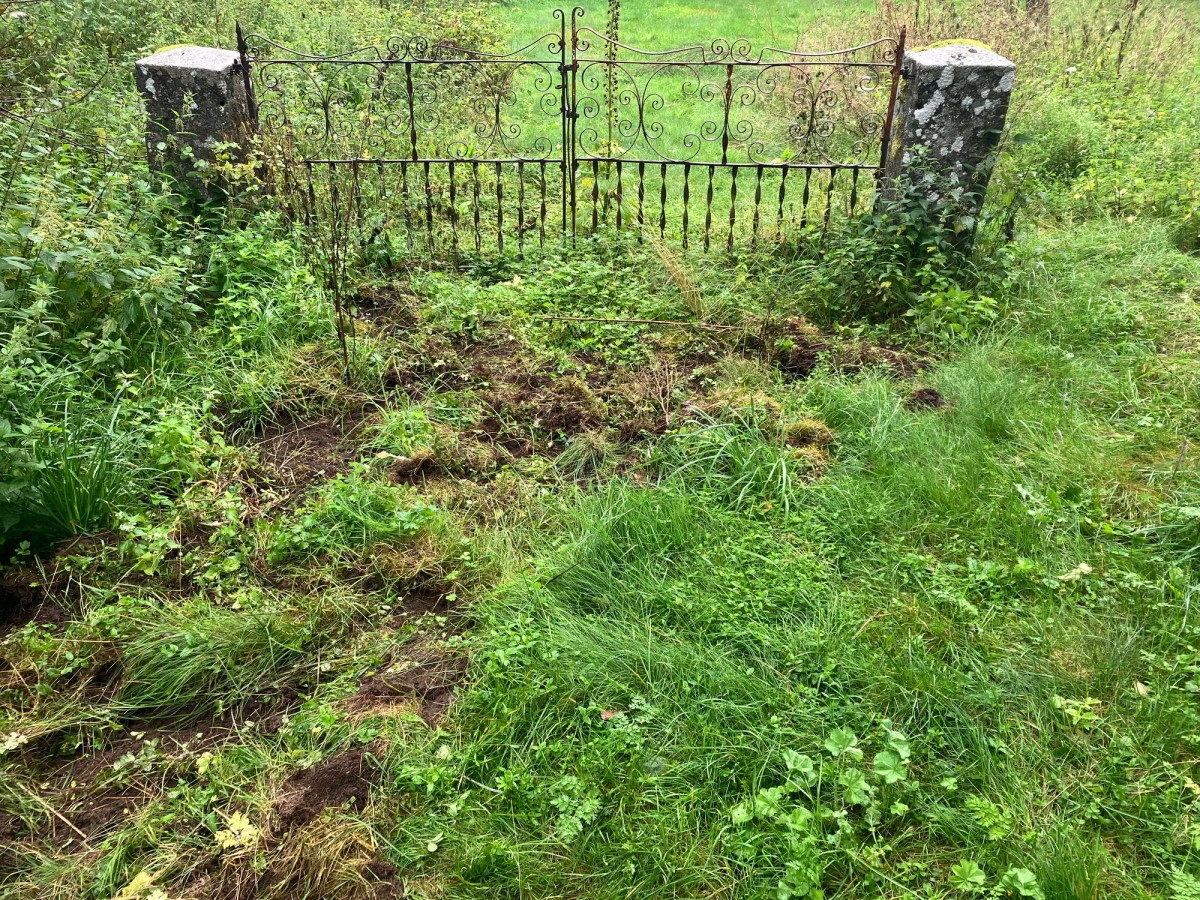
Dwelling on earth under the nexus of attunement could have many forms. However, these will share a rejection of the interior as basic model. A way to begin would be to create an object full of cracks and crevices of various sizes – a permeable labyrinth of niches instead of an enclosure. [ill. 5] A collection of bird houses of various sizes could also be included. In fact, slightly neglected old wooden houses made for human dwelling are rich objects for studying co-habitation, the kind of house favored by all kinds of insects, spiders, mice even bats and house martens, together forming a veritable house fauna [ill. 6, 7], not to speak of a house flora. Can such a house be said to architecturally attune well to many lifeforms? At least it could be an object of study that would offer keen insights into what might work in terms of building for attunement.
In philosophical terms, the ontological reality of this or that specific house will always have been engaged in the world in ways that eventually turned out to be able to offer this or that, to do this or that. The ways that such a house relates to the lifeworld comes after; it happens unintended. For the architect, the question becomes how to deal with unforeseen impacts of reality on things already built. One typical reaction of the architect is to consolidate original intentions, or ‘learning the lessons’ of reality, e.g. next time making sure to ‘seal off’, prevent, exclude, protect, immunize. Another reaction would be full acceptance of real-world effects and then leave it to the human inhabitants to choose among poisons and traps as a common reaction among humans towards ‘creeps’ and weeds. On this occasion a third attitude is advocated, one based on rebuilding via mutual lifeform attunement [ill. 8, 9, 10]. An architecture of attunement acknowledges multi-species mutual exposure. It is not about just plainly accepting all possible co-inhabitants on their terms. The challenge is rather to negotiate clashes of behavior, of Umwelts, to see such clashes as patchy and in that sense putting ontology to work. Something new can happen by engaging in these kinds of patchy Umwelt collisions. Another word for ‘ontology at work’ is ‘thinking’. Houses can think, and to be an architect could mean to be someone who knows how to help houses strengthen their capacity to think by intensifying the ontological blur they are able to provide. It demands from the architect to cultivate ways of ‘coming after’, ways of rebuilding instead of ways to project.
To avoid losing contact with those humans who refuse to go with creep and weeds, thus to the least capable creatures among humans in terms of attunement, a way to begin is as follows. An architecture of attunement that insists on not giving up on any human might begin by choosing a spot for listening, finding a place for observing. This spot will soon include a small table, various boards and screens for detecting and displaying and some sound mirror-like listening devices. Over time, the site will somehow thicken, as various furnishings and prostheses for enhancing sense perception, observation, noticing and recording accumulate, thence to continuously be architecturally rearranged as a dwelling space encompassing observatories and exhibition. Among the prostheses for observing and detecting will be all kinds of low- and high-tech measuring equipment. The word ‘dwelling’ should soon match the experience a human would have of such a site, i.e. a kind of dwelling that does not begin with protection behind walls but with a small swarm of architecturally articulated contact points built into the immediate vicinity.
The positioning of a table can act out the beginning of the composition of an architecture without interior, eventually to become an attuning thing. It would invite encounters and be a receiver of a plurality of specimens from the space around it, but also be a display table and a preliminary collector. In this case, collecting should not necessitate an enclosure. When the table has been acting for some time, there will be need for a curator. Leibniz’ idea for a Theater der Kunst und der Natur could be an extreme but useful model for the collector and for the display device. This model extravagantly suggests ‘theater’ instead of ‘archive’ as accumulation principle for collecting. The advantage of ‘theater’ is that it is immediately about displaying. Indeed, the baroque tradition of theater thinking provides a rich source of inspiration for experimenting with attunement and ontological blur.
However, the particular theatricality of the Leibniz model actually adopts a trait from the archive, as an archive has the capacity to store a heterogeneous set of specimens from completely different sources and juxtapose these, right next to each other. Between the unrelated specimens, there are abysses of meaninglessness of varying depth – much like the abysses between the animals accounted for in Borges’ famous Chinese Encyclopedia. The problem with the archive is that it is indeed excessively capable of creating huge numbers of such abysses between patches but neither does it display these abysses, nor does it allow ontological blur to evolve between specimens. The virtue of the theatrical model of Leibniz is exactly that it is all about making and displaying not only the content of the files but also the abysses of meaninglessness between these files. The great advantage is that it makes a thinking device of this model, allowing external observing brains to involuntarily combine otherwise scattered file-content into new ideas, thus cultivating a kind of serendipitous thinking that ‘comes after’. However, serendipitous thinking is still ‘only’ pond thinking from without in need of a kind of thinking from within: attunement thinking. The ‘within’ of attunement thinking suggests that this mode of thinking happens between the specimens themselves – a kind of compost thinking. Compost thinking from within - pond thinking from without. An architecture of rebuilding could take form by encompassing both pond and composting. An architecturally most elaborately formed pile of compost should be entangled with a no less complex theater of display. Together, the actual architectural unfolding of an entangled pond- and compost thinking in progress would form a trajectory – an open-ended destiny — of subjectivation reciprocally embedded in an observatory Umwelt.
Thus, woven together into a kind of complex archive-theater, this Umwelt-architecture will include a generous compartment for compost, a living archive of organic and other material, offering a medium for attunement among all kinds of lifeforms. The compost compartment importantly offers the first dimension of dwelling to the Umwelt thing. By thinking from within, it will be the initial ‘brain’ of it. A compost brain. Thus, the first dwellers of this architecture, this thing, will not be humans but seasoned inhabitants of compost. In fact, humans will be some of the last lifeforms to actually get to dwell in this thing. Yet humans will indeed have a place in it; they will be able to offer many services, ideas and practices, fostering new lines of flight, lines of becoming of and attunement between the various lifeforms inhabiting the thing.
Yes, humans will be among the last to become co-dwellers of an attuning thing. Their basic purpose for engaging is to eventually provide dwelling for themselves, but they will reach this goal only indirectly by following a path through a continued building process without end. A Leibniz-style theater interwoven with a huge ad-hoc compost compartment maybe in the form of a complex distorted Escher-like maze with protrusions of forms, not unlike the frozen figurations of contained centrifuging fluids after sudden release. The spatial interplay of these two parts must be architecturally composed, if maybe haphazardly, to stimulate unforeseen entanglements between pond thinking and compost thinking. Abysses, zones of ontological blur, must be maintained between the theater pond and the compost compartment. When the thing, through ongoing observation, collecting and lifeform housing, little by little begins to be a thinking entity, it is time to open it further for whatever lifeforms would voluntarily move in with this emerging architecture of attunement. To improve a house-thing’s ability to attune will be one of the most important tasks of the architect. In fact, the voluntary moving in of various lifeforms will testify to its ability to engage these lifeforms, thus qualifying itself as an architecture of attunement. Paradoxical as it at first may sound, to make this ‘house’ itself into a lifeform will be achievable through certain ways of involvement of humans — as implied parts of the architecture. In fact, this transition into lifeform will likely only be successful if humans are involved. Yet, human involvement is also the greatest threat to its becoming an attuning thing.
The very test of the creation as a successful dwelling thing will reside in the architecture’s (including all its inhabitants’) ability to self-attune. In that sense, the house-thing will itself be an assemblage and a subjectivation following its own meandering vector of becoming. How can new patchiness become an emergent property of this theater-compost assemblage thing? What can patchiness do? The importance of patchiness suggested by Anna Tsing et al. relates to its capacity to delay and reduce the destructive effects of scaling-up strategies instrumental to the ongoing capitalist colonialization of the planet. How to nurture the attuning capacities of architecture? How to create patchy Umwelts of architecture and, posed as a political question, where to rebuild life form relations by intensifying patchiness to counter the ills of scalability? That becomes new questions for interested architects.
–
Niels Grønbæk, Associate Professor, PhD, co-head of the PACS MA program at the Royal Danish Academy, IBK. NG has research interests in subject didactics within the field of architecture; discursive and non-discursive entanglements between architecture and politics as well as mannerist architecture legacies as cosmological constructs in relation to multi-species welfare architectures. Niels Grønbæk is a member of the RDA research group Architecture, Strategy and Politics.