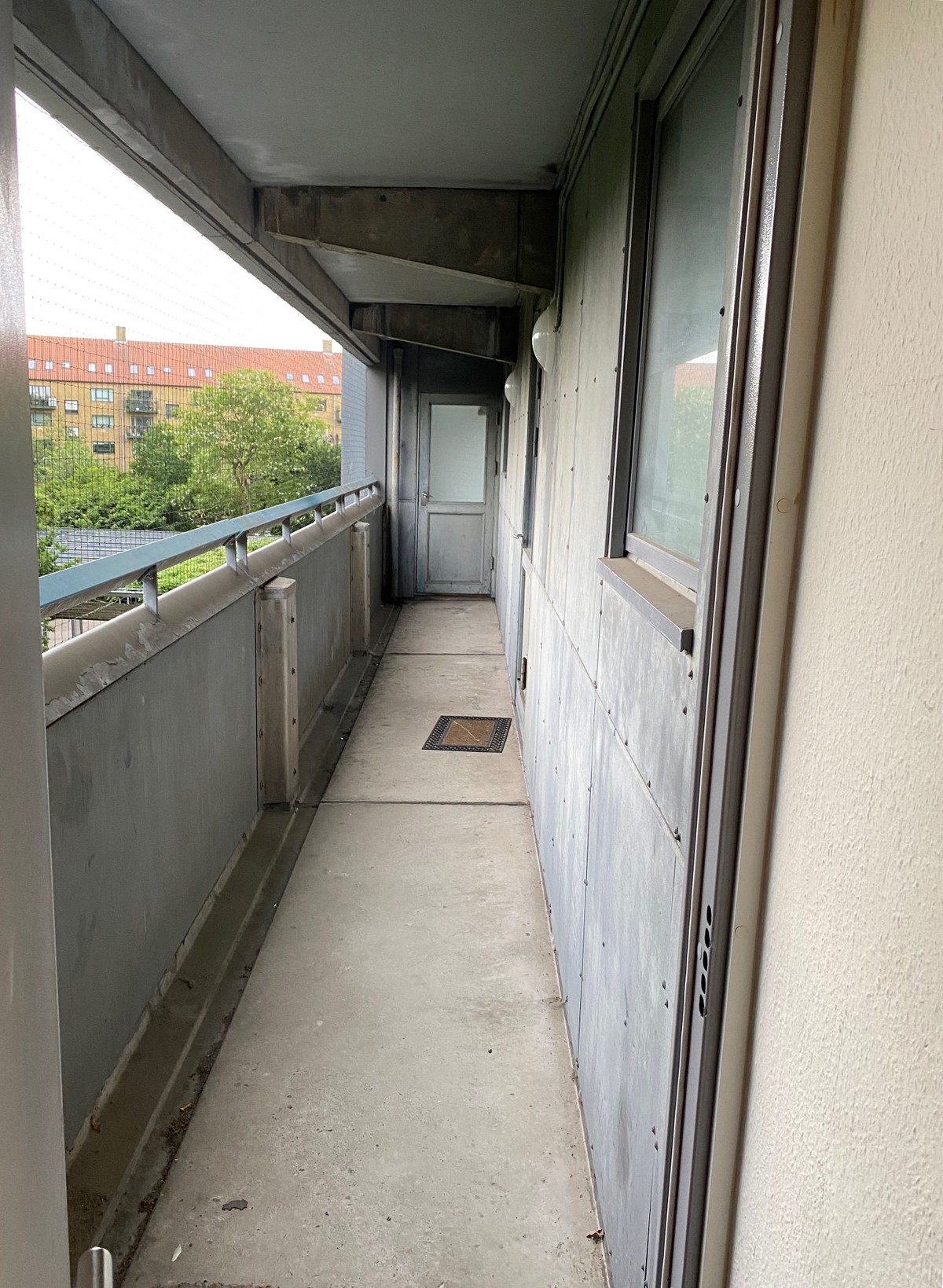
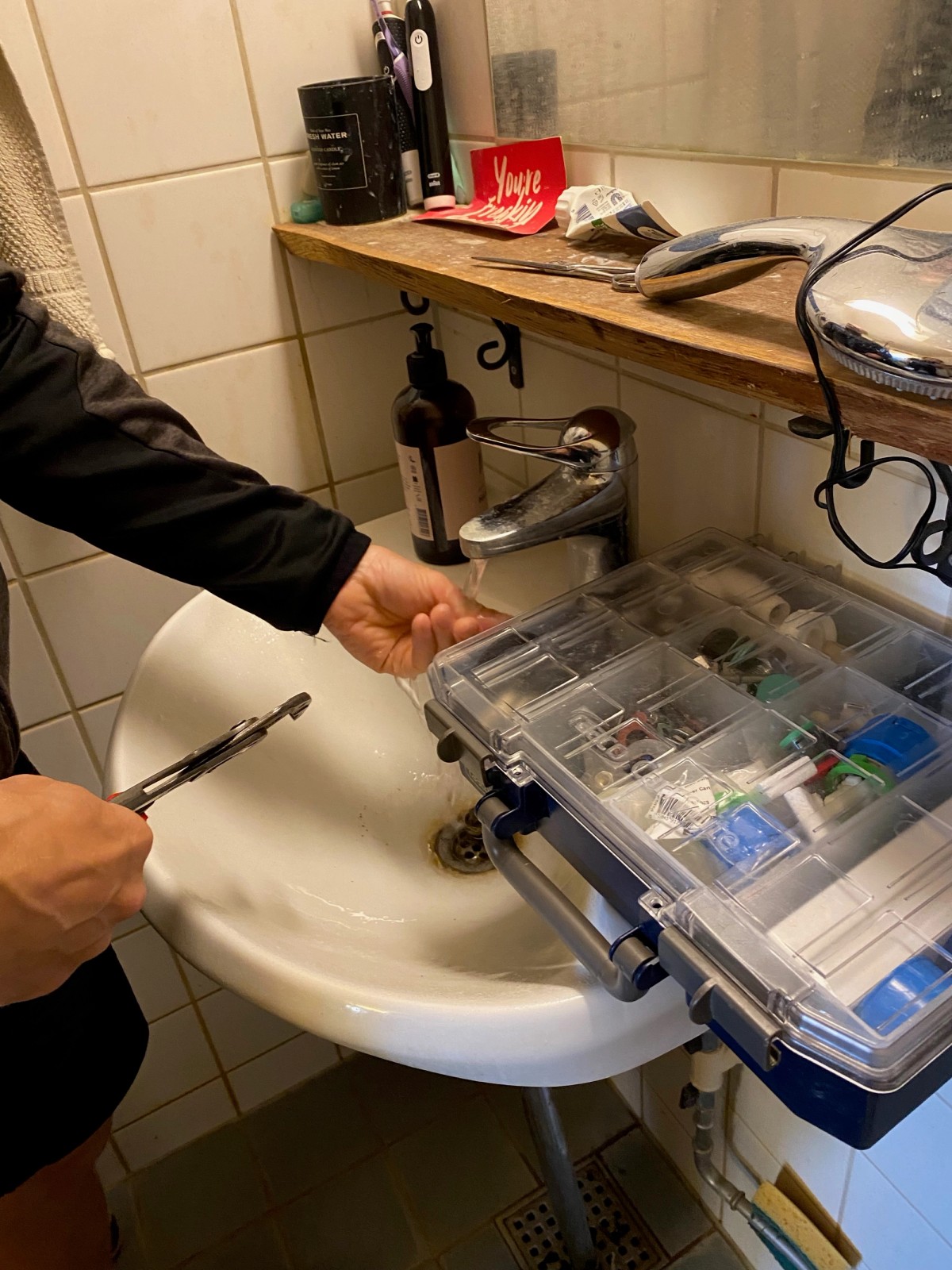
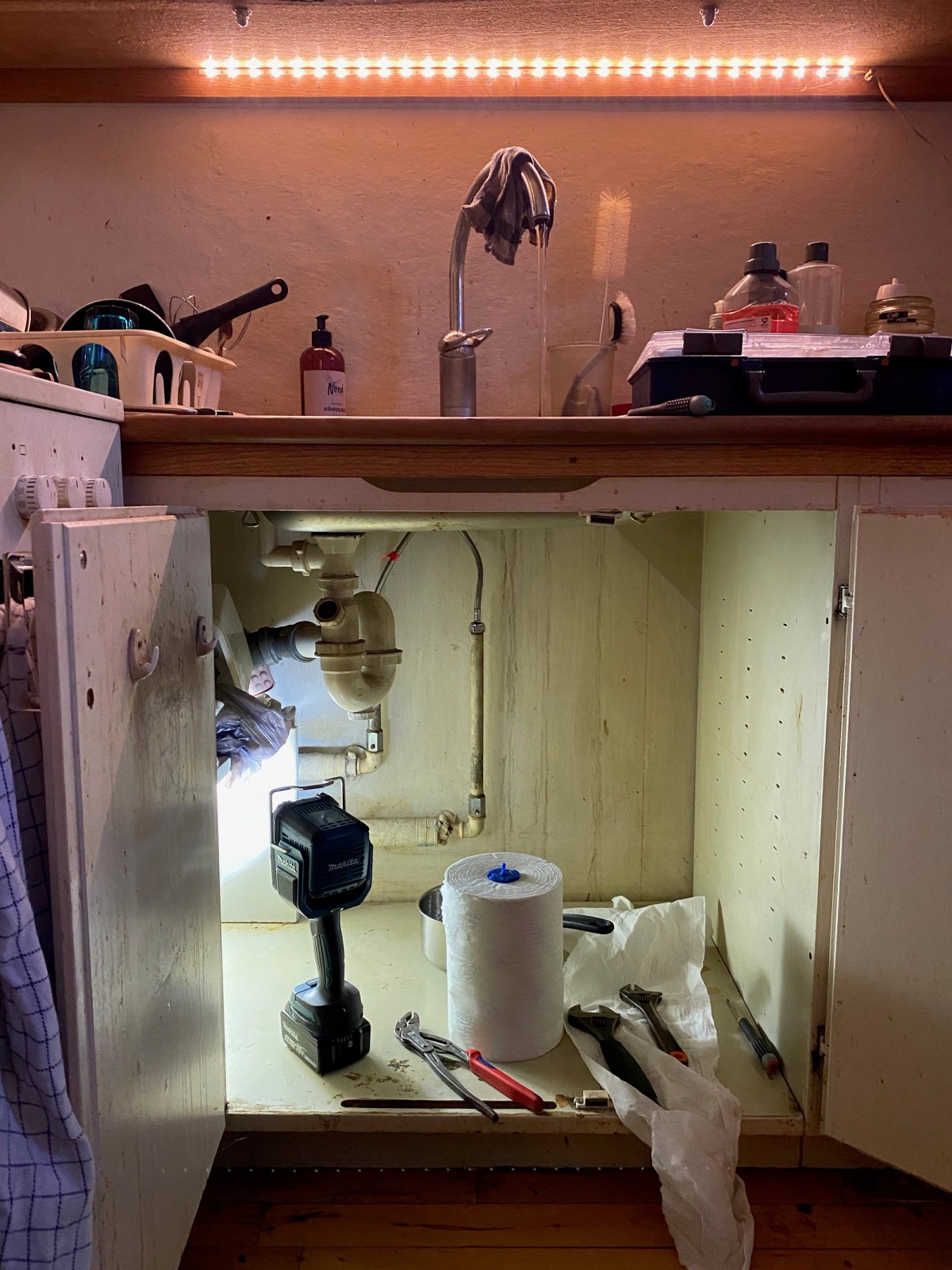
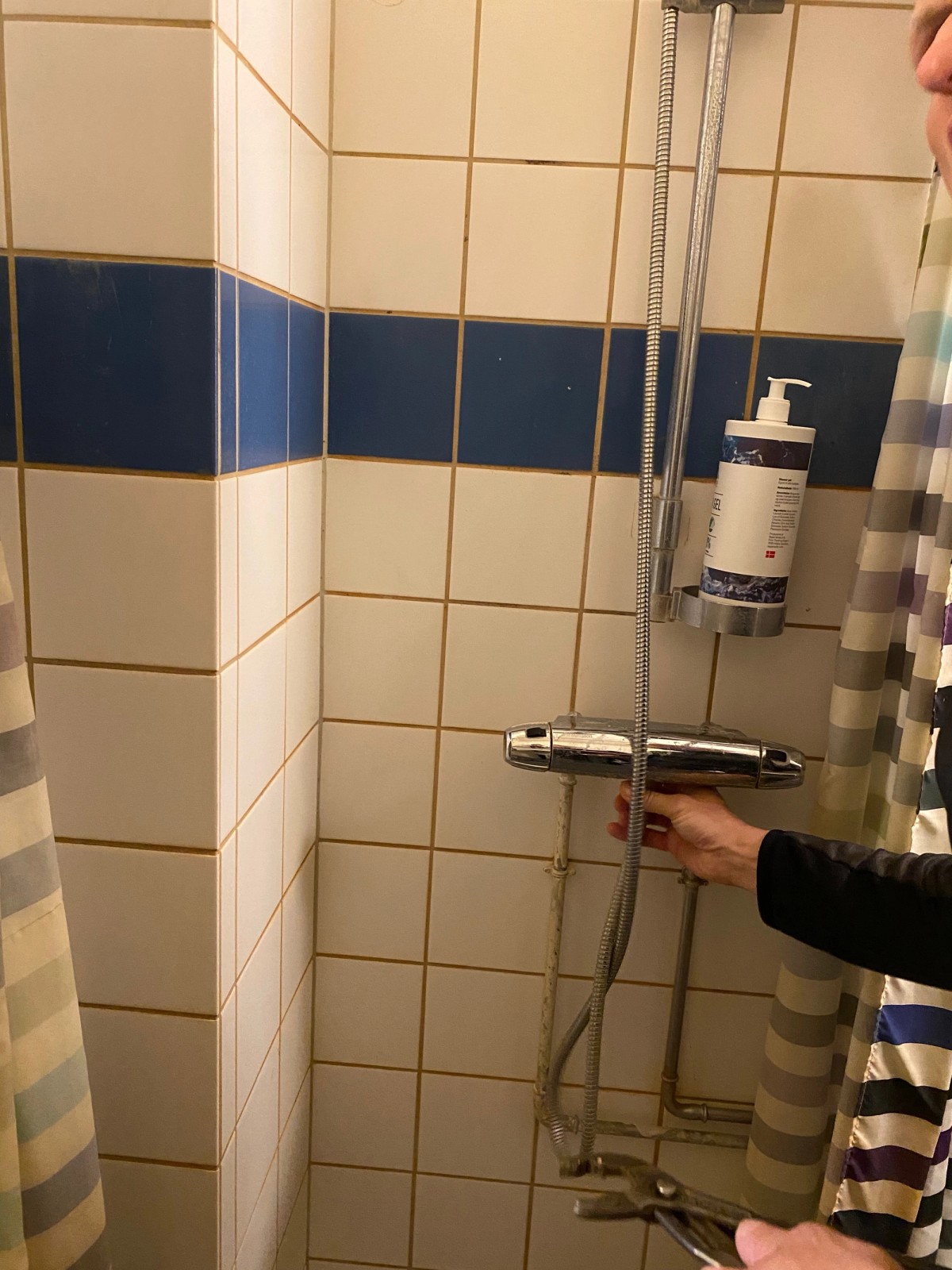
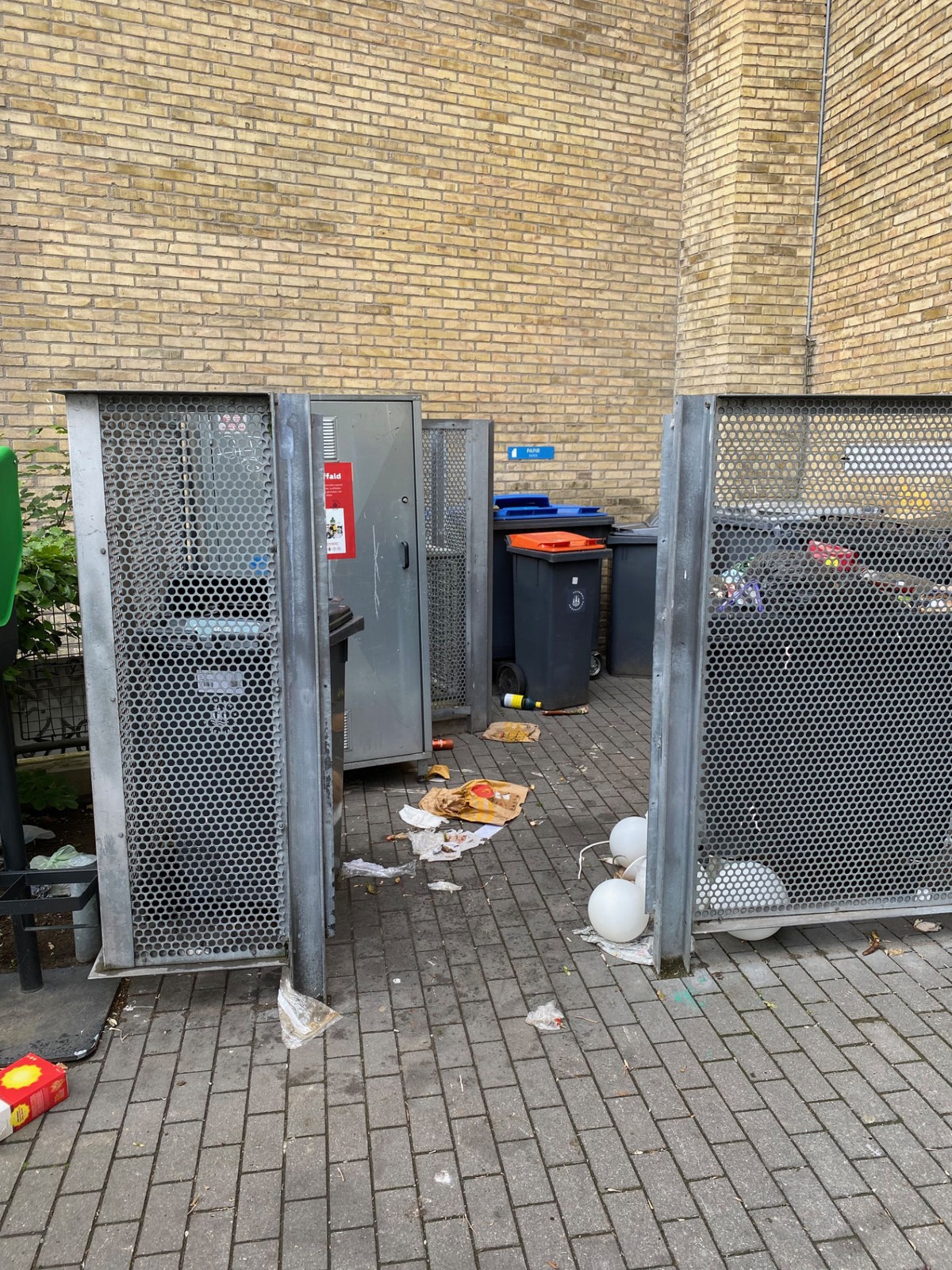
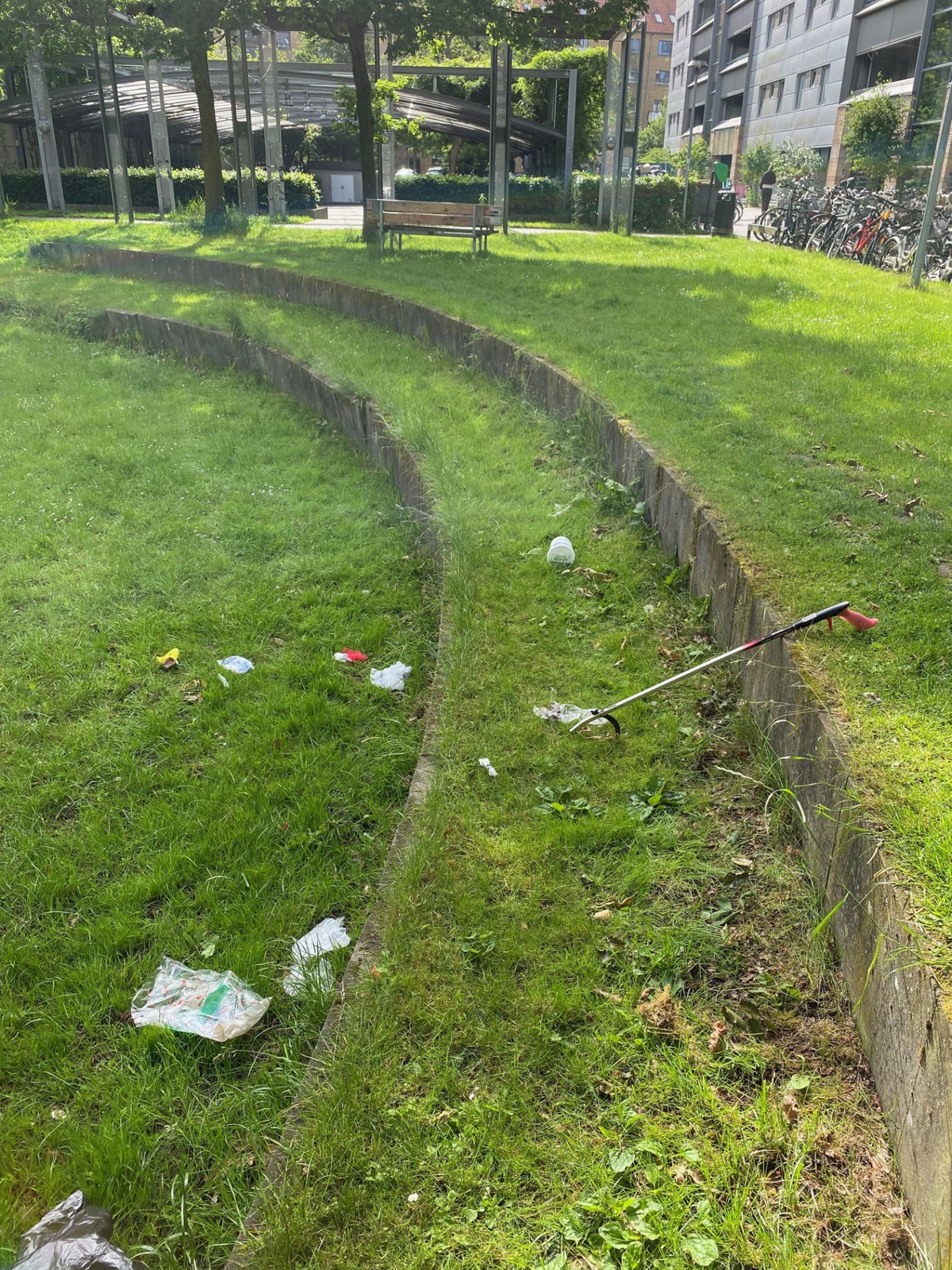
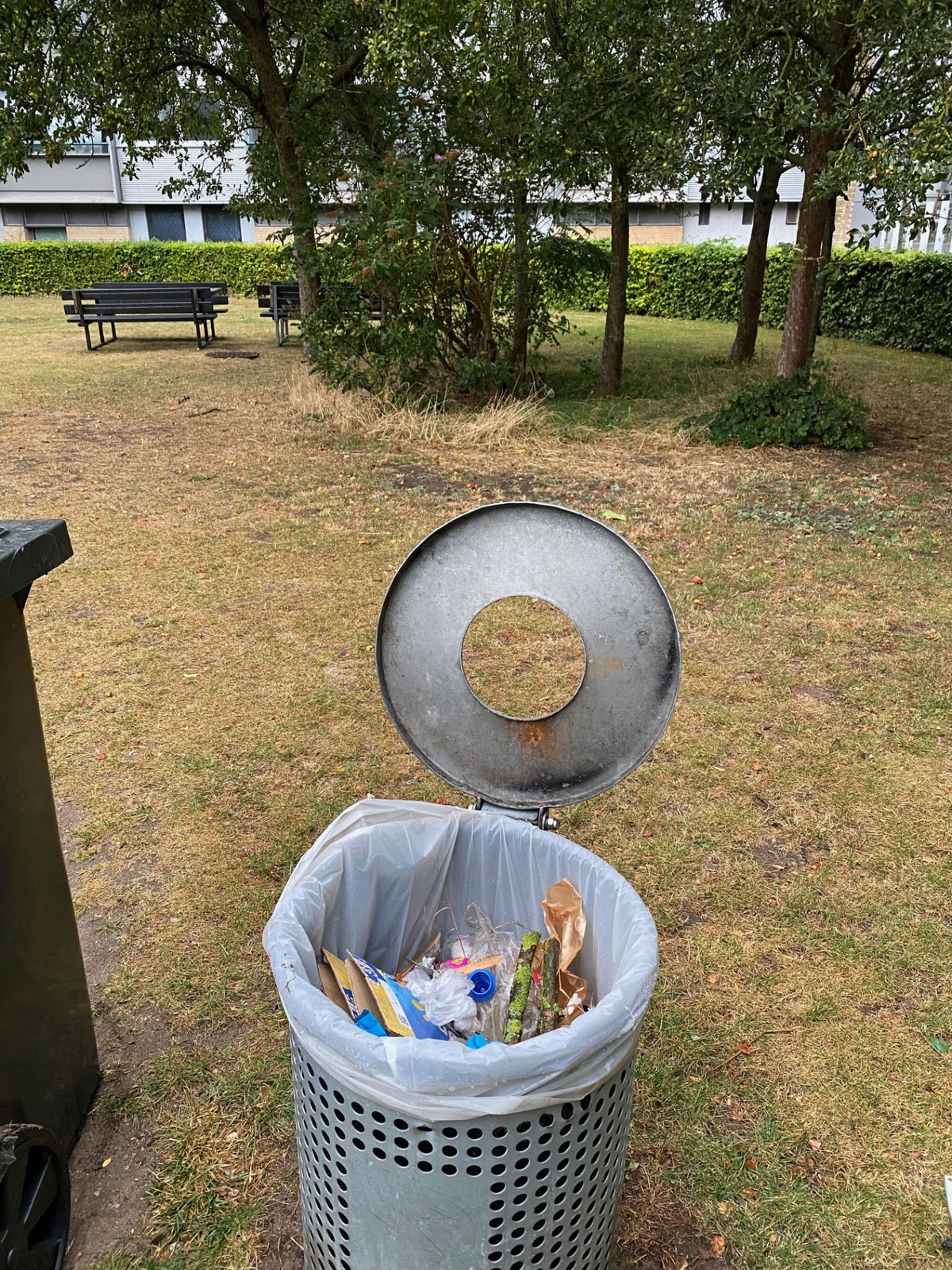
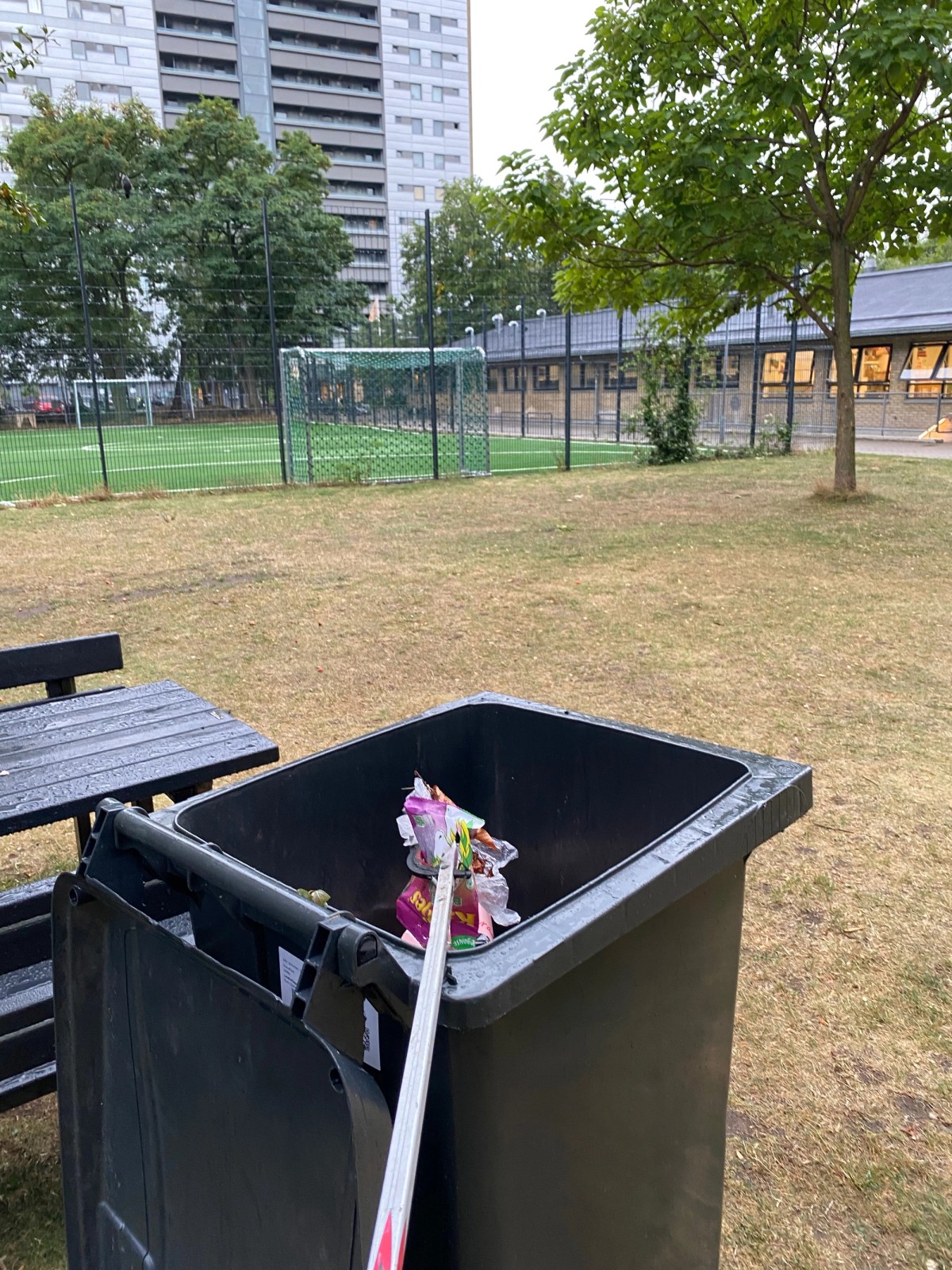
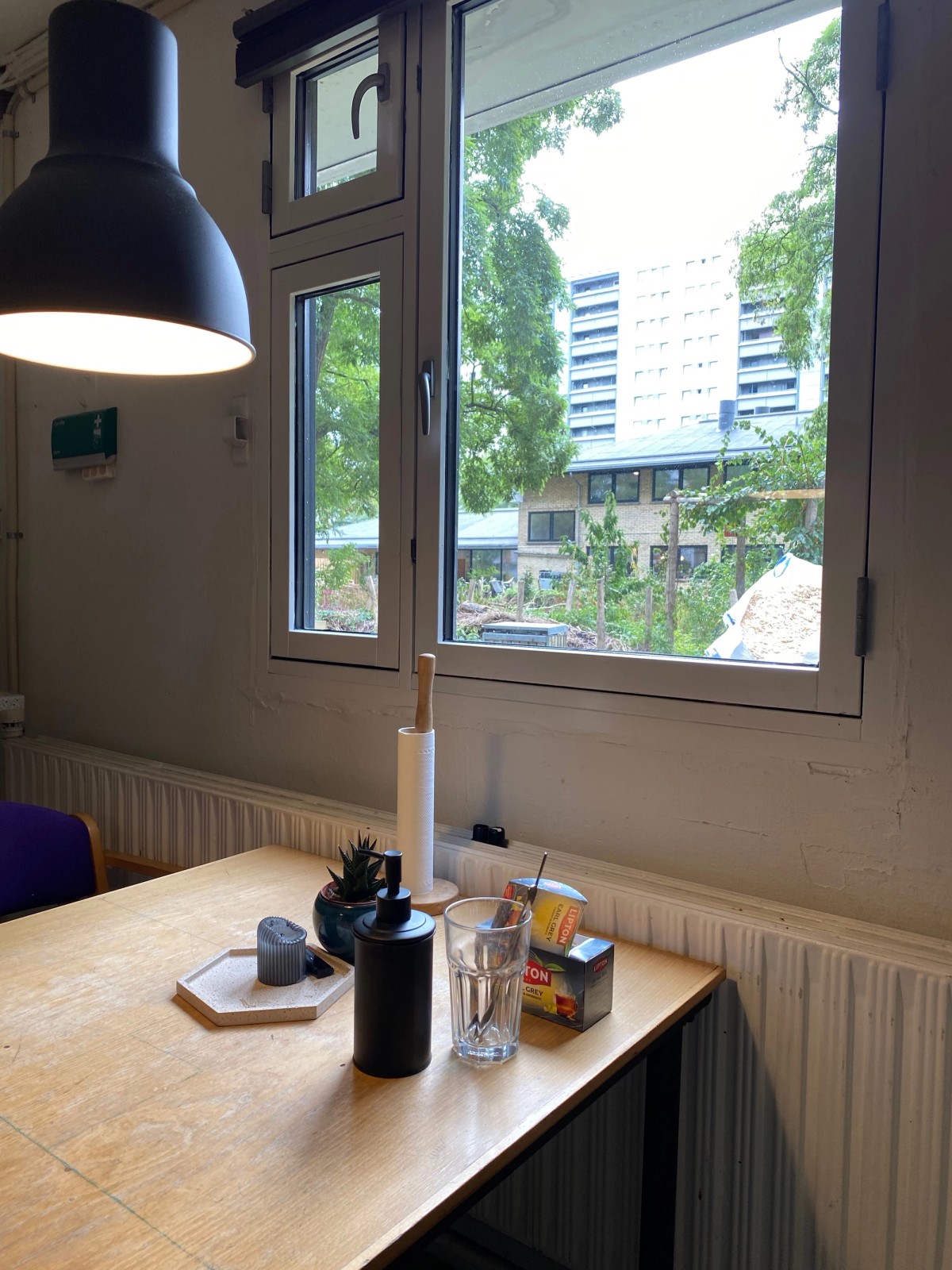
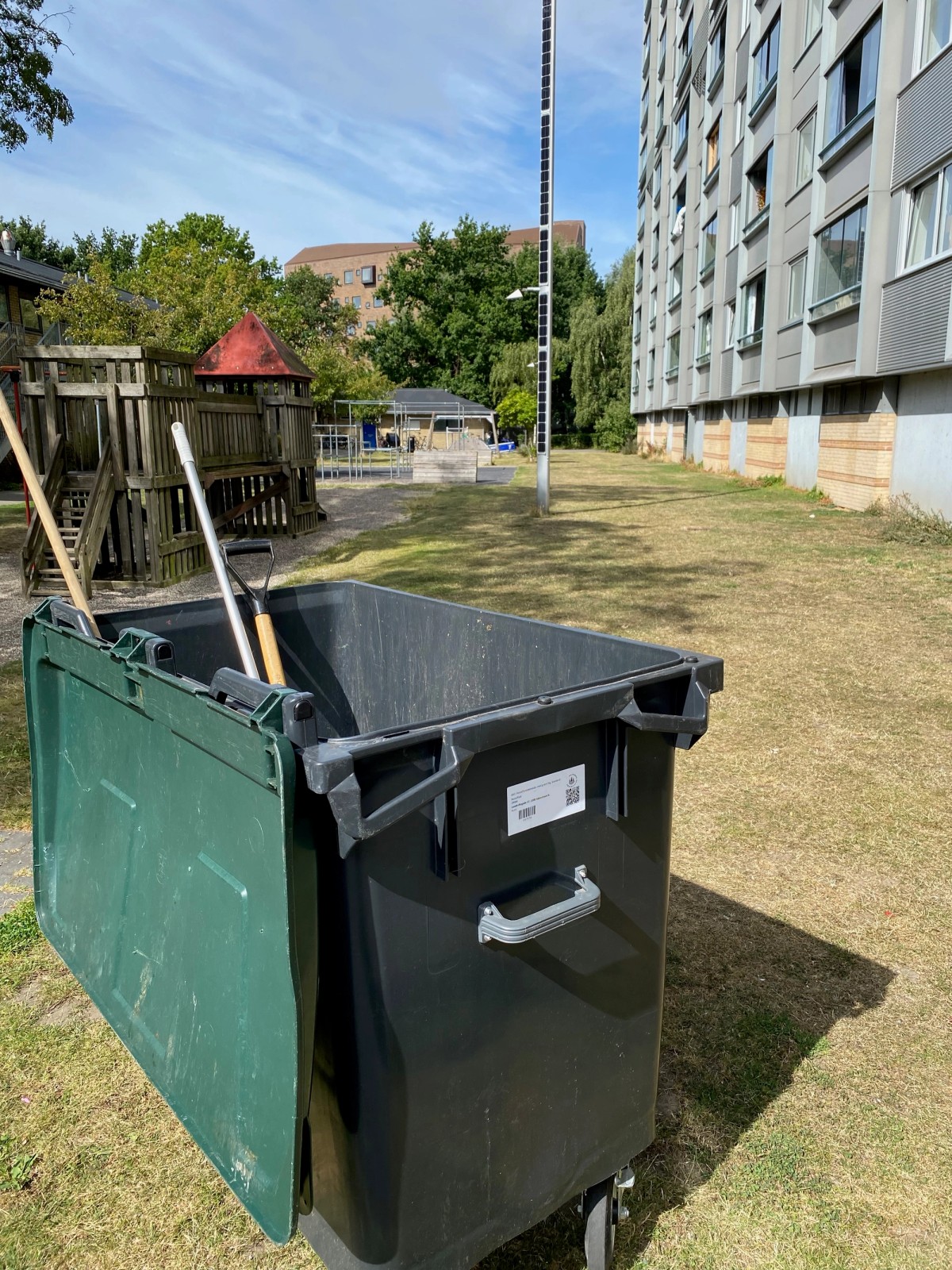
“You should come here early Monday morning. It’s a mess then, trash overflowing the bins, bottles everywhere, water leakages… Then you’d really get an idea of how it is to work out here.” This was said by a caretaker in a non-profit housing department in Copenhagen during the summer of 2026, when I first contacted him to arrange fieldwork and follow him in his daily work routines. My intention was to better understand how caretakers’ work contributes to the ongoing maintenance of housing environments in both material and social terms. I wanted to explore how close attention to their everyday routes and practices might provide perspectives that are often overlooked in discourses on the non-profit housing sector and its ongoing transformation.
During my days spent with them, I observed the caretakers on the move throughout the working day – traversing outdoor green spaces, through basements, elevators and staircases, into private apartments and small offices, storage rooms, and workshops. Their workplace constitutes other people’s home environment, they encounter residents in their homes as well as in the communal spaces. Daily work routines involve greeting passers-by, remembering residents’ names and significant life events, engaging in casual conversation, and receiving informal complaints. The caretaker is often the first person to notice telltale signs – such as overflowing mailboxes or curtains having been closed for prolonged periods – which might indicate that a resident is in need of assistance, support, or simply being paid attention to.
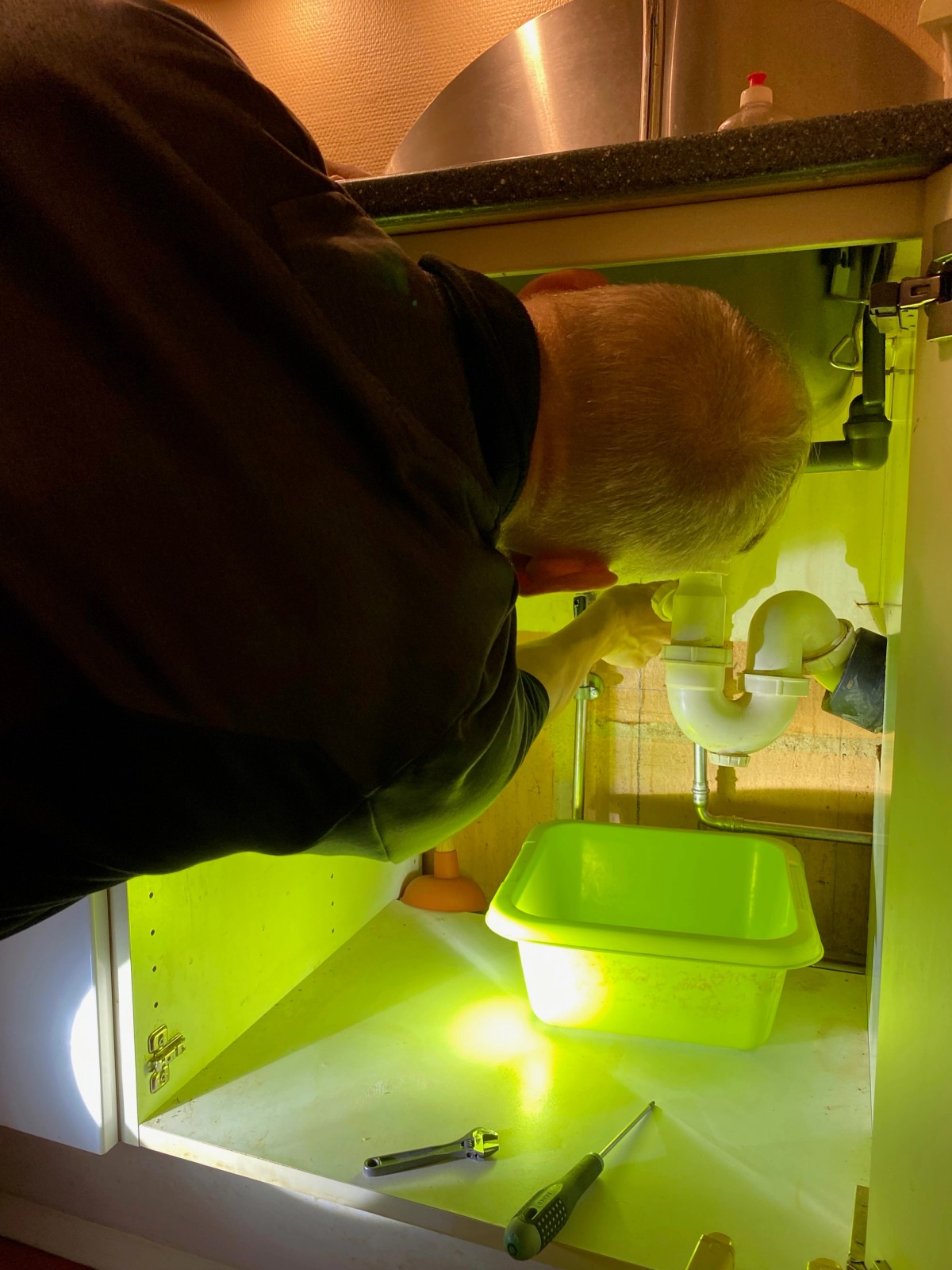
Their work descriptions emphasise technical proceedings, the workday being managed by way of a digital system and scheduled according to measurable tasks, such as picking up trash, fixing leaking water taps, and pruning bushes. In practice, however, a caretaker’s work is not so easily measured, being much messier and more relational and involving forms of care and attentiveness that contribute to the ongoing reproduction of everyday life and social relations, enabling residents to continue their daily routines.
For example, talking to a resident about their sick daughter, with warmth and attentiveness while changing a light bulb in their bathroom, indicates how the relational is very much a part of the workday and, I argue, adds a value to the situation that often cannot be measured. In this sense, maintenance extends beyond technical tasks and encompasses forms of labour concerned with sustaining people, relationships, and environments, echoing feminist accounts of reproductive labour and social reproduction.
The housing department I visited lies on the fringes of Nørrebro, a desirable and bustling neighbourhood that has undergone significant processes of gentrification over the past decades.
The department’s location, in combination with an increased political focus on transforming and developing the non-profit housing sector, has contributed to a proliferation of externally funded projects and initiatives in the area. These have brought artists, entrepreneurs, municipal workers, and researchers into the neighbourhood, who inhabit and spatially reconfigure the neighbourhood’s communal indoor and outdoor spaces in various ways. Many of these new spatial programs and activities are outlined in the municipality’s transformation plan (forandringsplan), listing a range of initiatives that seek to "open up" the area and attract new social groups.
In a broader sense, such developments can be understood in relation to the policy and planning discourse of the blended or mixed city (den blandede by), which has gained momentum in Denmark in recent years. At first glance, it is hard to be against the idea of the blended city. Who would be sympathetic to its apparent opposite, the segregated city? Yet blending is not an abstract or neutral concept. Furthermore, it is an ambiguous and vague one, enabling it to be assigned to highly dissimilar projects and agendas. For example, the concept is often used in planning and development projects aimed at particular areas and their residents, and when seen from this perspective, a more complicated and at times violent side to this discourse comes to light. Neighbourhoods subjected to blending are frequently non-profit housing neighbourhoods marked by socioeconomic disadvantage and histories of territorial stigma. Such neighbourhoods are expected to attract new residents, new investment, and new ways of inhabiting urban space. In this sense, blending becomes a form of “urban refashioning”, which includes not only changes to the built environment but also expectations as to what kinds of activities, social relations, and ways of living should be present in a neighbourhood.
Viewed alongside these ongoing transformations, attention paid to the practices of the caretakers may give rise to broader questions about how the desire for change might relate to the already existing infrastructures of maintenance, care, and everyday life, and for whom these changes are brought about.
There is an important distinction to be made between experiencing a place as a visitor, envisioning it as a planner, and inhabiting or working within it on a daily basis. Visitors typically encounter a place occasionally and during a limited period of time, while planners, in turn, often engage with it through representations such as maps, demographic data, and development strategies, focusing on what the neighbourhood might become rather than how it is presently being lived. Residents and caretakers, by contrast, encounter the neighbourhood through repeated daily routines, which are unfolding over time, leading to an accumulation of memories, relationships, and embodied knowledge. Change is perceived differently because today's conditions are continually compared with yesterday's, and subtle shifts can be noticed precisely because they are encountered repeatedly.
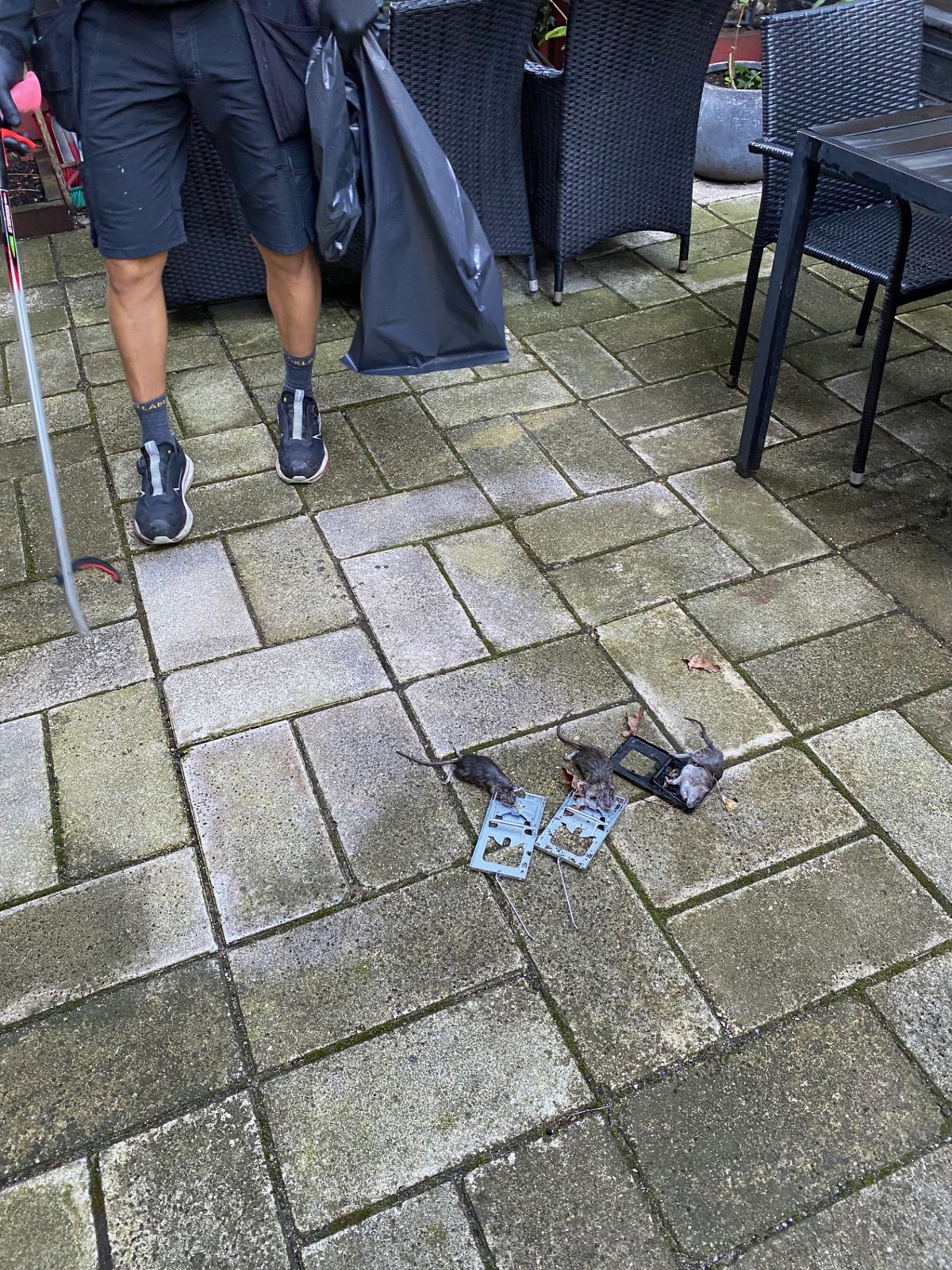
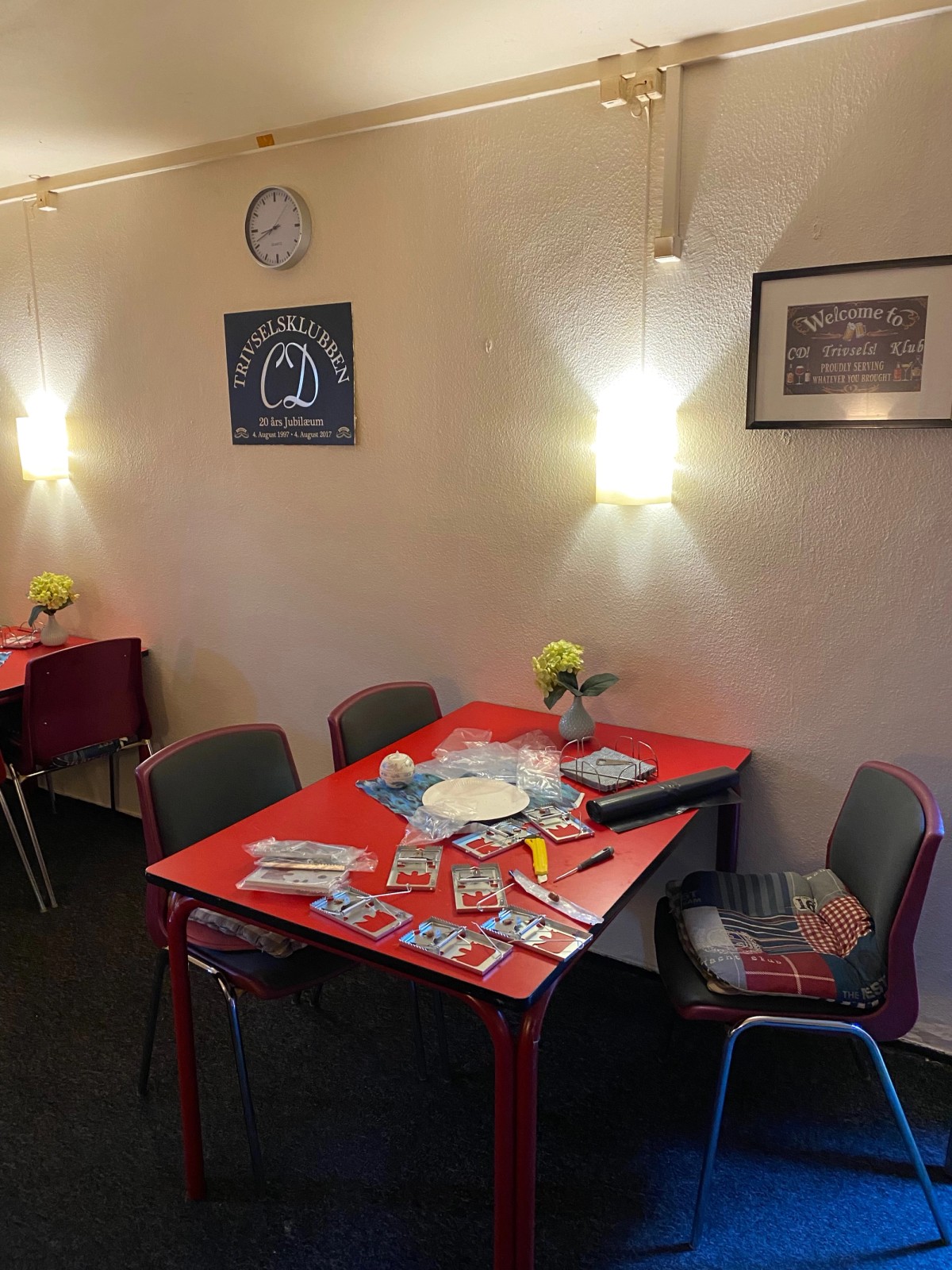
Asking who picks up the garbage on Monday morning is another way of asking: What tends to remain in the background of the discourse of the blended city? On Monday mornings, after busy weekends, caretakers are met by overflowing waste bins, discarded bottles and noise complaints from residents whose balconies overlook a newly established bar, in between housing blocks. Residents similarly encounter these changes through the rhythms of everyday life, whether in the form of increased noise, more crowded outdoor spaces, or changing uses of the neighbourhood. The pricing of the bar’s menu and the growing presence of expensive bicycles parked throughout the estate may appear as small details, yet they can also function as markers of broader social change and shifting expectations as to who the neighbourhood is for. Physical initiatives and transformations are not necessarily experienced in the same way by everyone. A newly established garden, part of an externally funded art initiative, for instance, was not universally welcomed by the caretakers, who primarily saw it as a potential haven for rats and, consequently, as a source of additional work.
The change and transformations happening in people’s everyday environments inevitably brings along friction and conflict – change takes time to be accepted, and people need time to adjust. There will always be someone complaining. However, rather than dismissing caretakers’ concerns as expressions of resistance to change, it is worth considering what their situated knowledge might reveal about the consequences of transformation as they unfold in everyday life. Through their continuous involvement in the maintenance of both buildings and social relations, caretakers are uniquely positioned to observe how change is encountered on the ground. Being attentive to their perspectives can add nuance to normative visions of what a place should look like and whom it is imagined for. Rather than erasing disagreement, such an approach invites attention to the frictions and differences through which urban change is lived, negotiated, and cared for in practice.
A note on the title:
The title is an excerpt from the much-quoted manifesto by artist Mierle Laderman Ukeles (1969), the full sentence goes: “The sourball of every revolution: after the revolution, who’s going to pick up the garbage on Monday morning?”.
A note on the photo series:
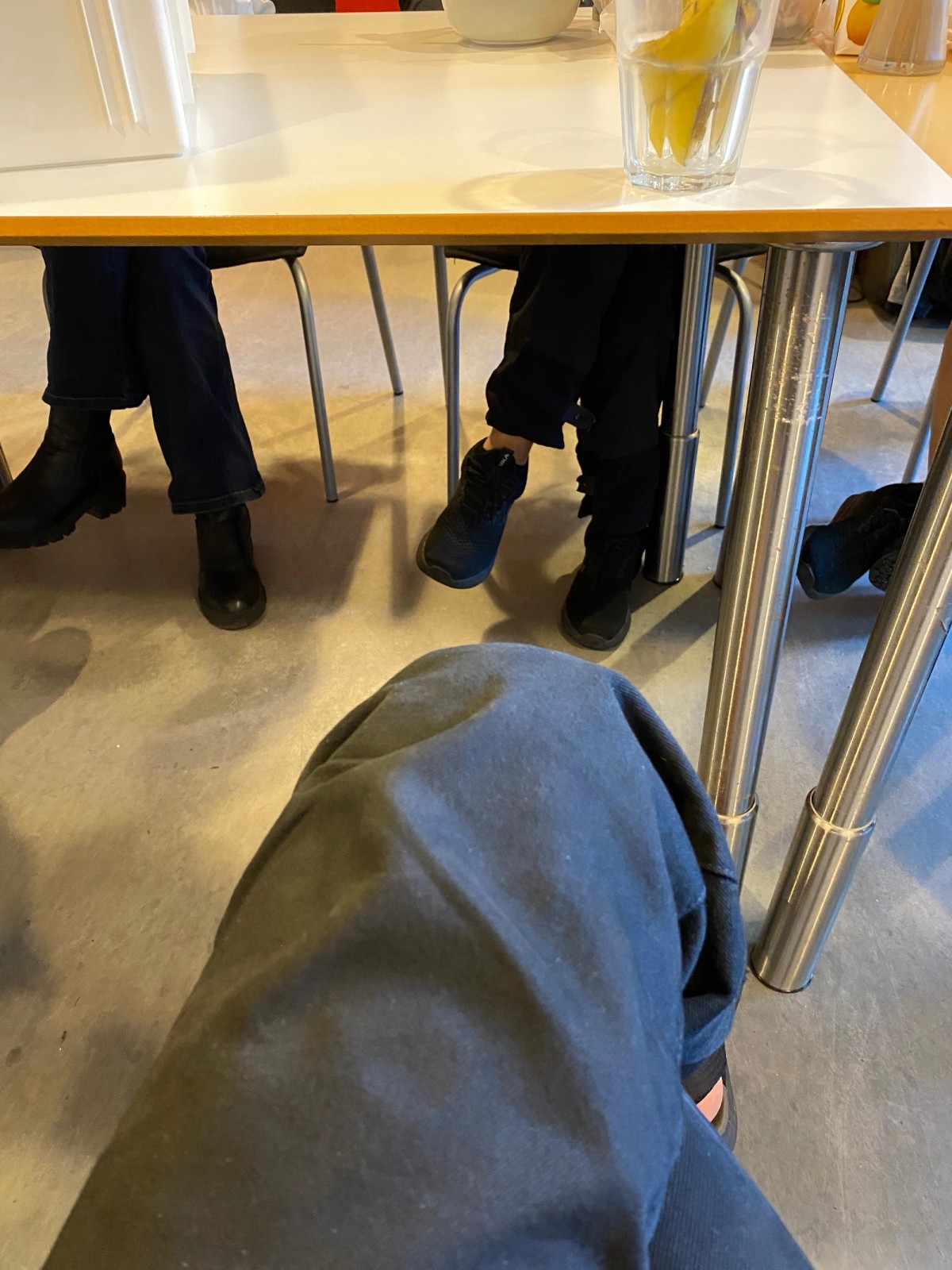
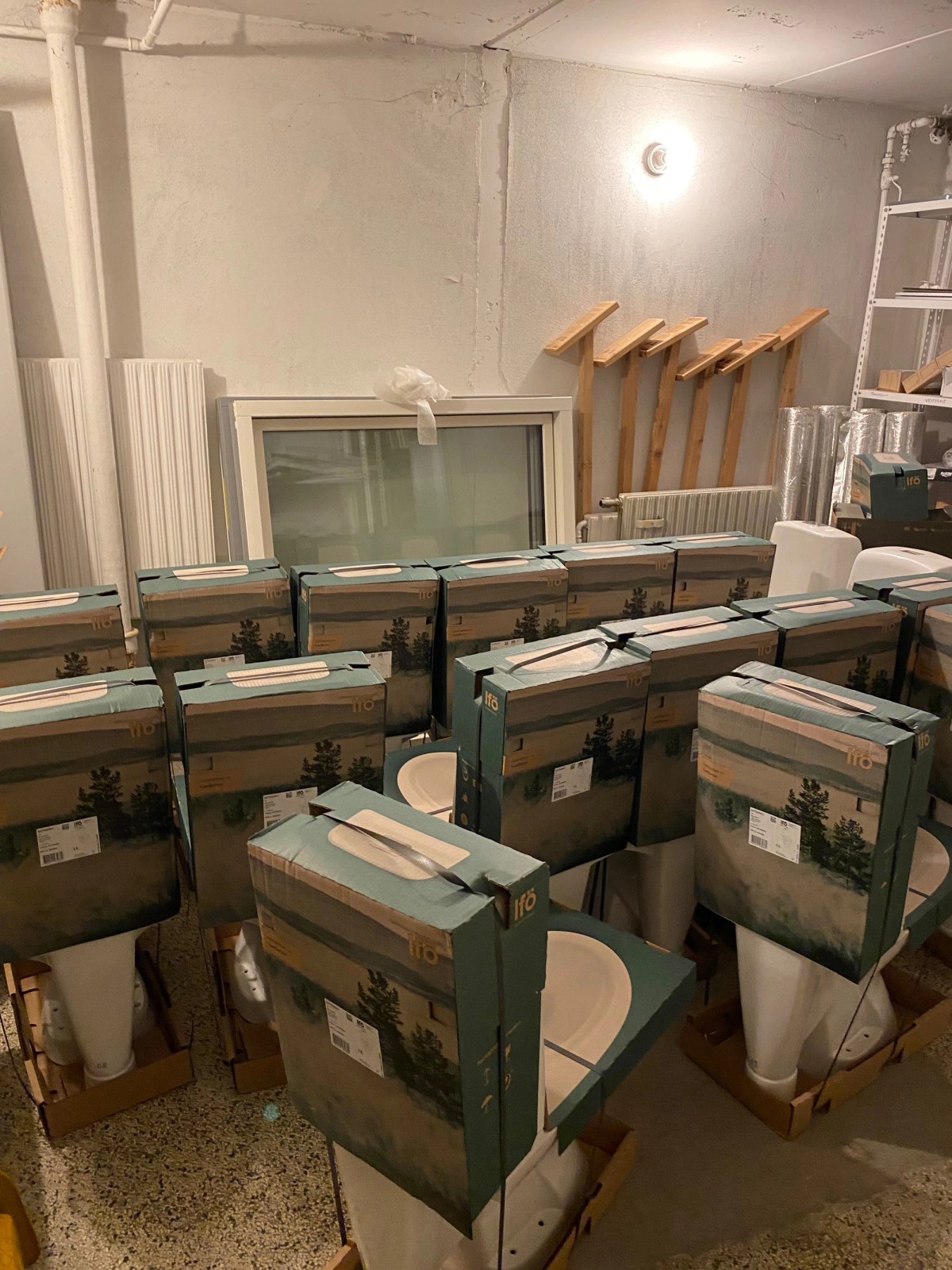
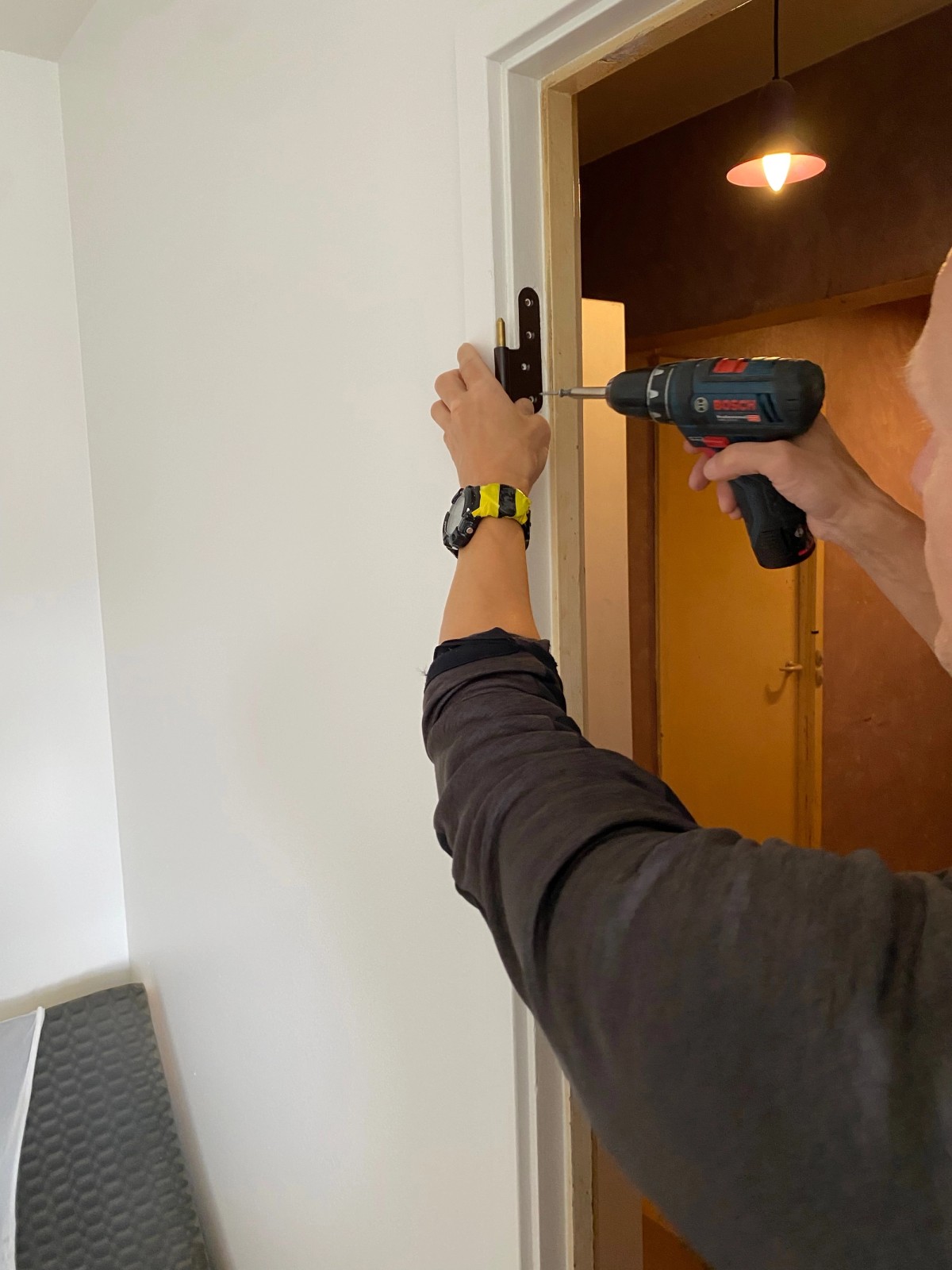
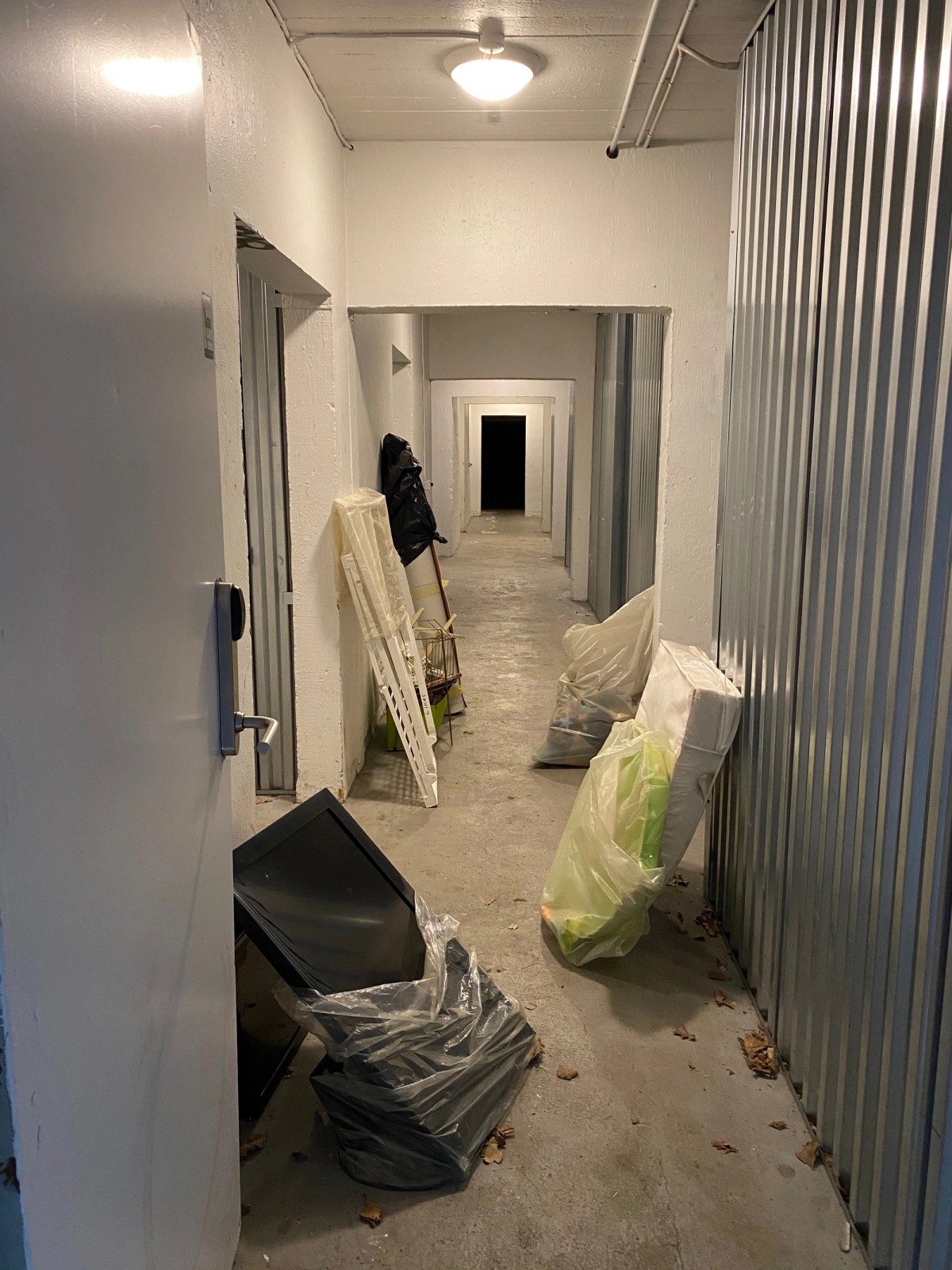
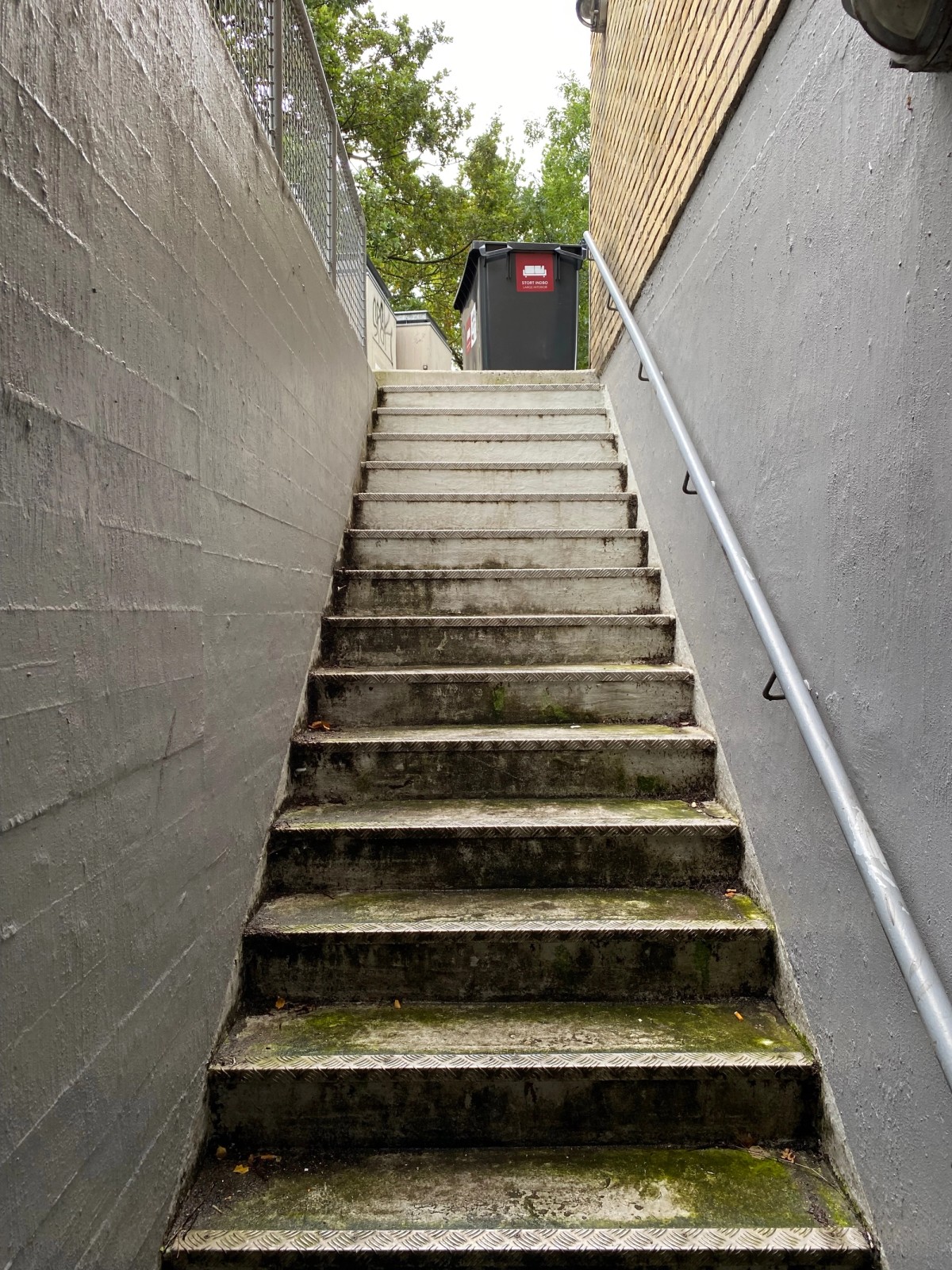
The series consists of photographs and fieldnotes. All photographs were taken by the author on Monday mornings during the summer of 2026. Both photographs and fieldnotes are reproduced with participants’ consent and have been selected to maintain anonymity.
–
Beata Hemer is a PhD fellow at the Royal Danish Academy, Institute for Architecture and Culture. Her PhD project concerns the political and material implications of everyday maintenance practices in Danish non-profit housing.